

NASA Swift Space Telescope Plunges Back to Earth in Fiery Demise After 22 Years
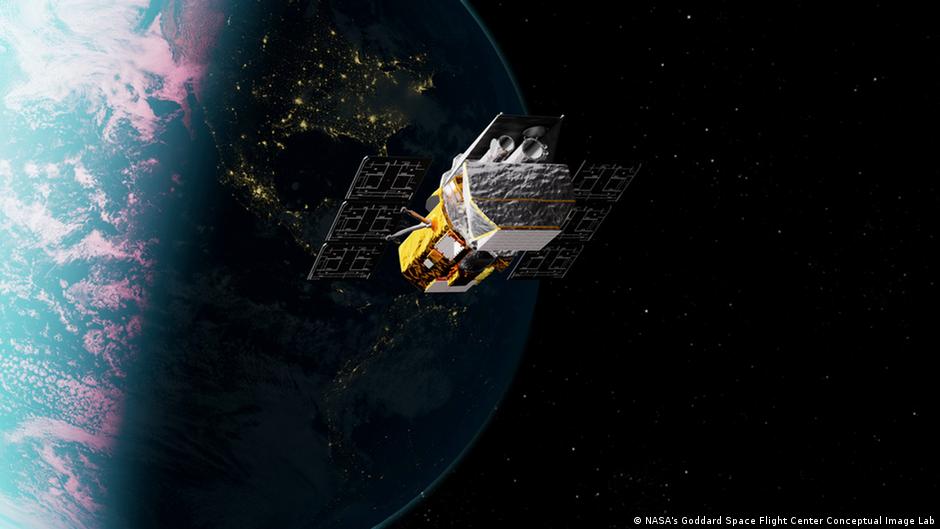
Swift returns to Earth
The unmanned Neil Gehrels Swift Observatory re-entered Earth’s atmosphere over Indonesia’s North Sumatra region on Wednesday at 7:39 a.m. EST (12:39 p.m. UTC), NASA said. The agency expected most of the spacecraft to burn up, while noting that some parts might survive.
There were no immediate reports of damage on the ground. Swift had ceased operations on October 20, after its orbit declined partly because of geomagnetic storms triggered by solar eruptions.
A mission far beyond plan
Launched in 2004, the $500 million observatory carried three telescopes and was designed to study gamma-ray bursts for two years. Its mission continued for just a few days short of 22 years—11 times longer than planned.
Swift also studied hundreds of supernova explosions, black holes tearing apart stars, stellar X-ray flares, asteroids and comets. The satellite weighed about 1,452 kilograms, or 3,200 pounds.
Rescue effort fails
In July, NASA enlisted private company Katalyst Space in an effort to raise Swift’s orbit. The company’s LINK servicing spacecraft, equipped with three robotic arms, developed attitude-control problems after reaching space and began spinning uncontrollably.
Key points
- Swift re-entered the atmosphere over North Sumatra on Wednesday.
- The observatory’s mission lasted nearly 22 years, far beyond its planned two years.
- NASA expected most of the spacecraft to burn up, though some components might survive.
- A Katalyst Space rescue craft failed to raise Swift’s orbit.