

UK Found Dangerously Reliant on China for Critical Minerals Needed for Defence and AI
Risks of China dependence
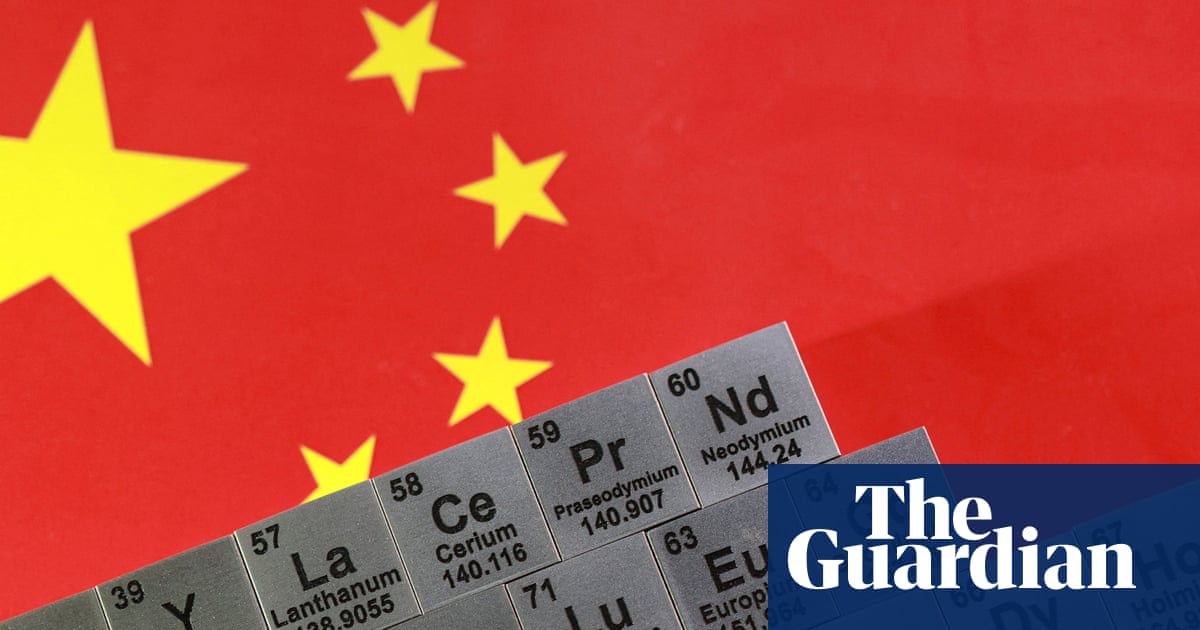
The committee said the UK relied heavily on China for critical raw materials used in military equipment, renewable energy infrastructure and AI. China also dominates supplies of rare earths and refined materials found in products ranging from military jets to household appliances.
MPs were told lithium demand could rise 45-fold by 2030, increasing the UK’s exposure. The report described reliance on Beijing as a strategic vulnerability, noting China had cut off rare earth supplies in 2025.
Liam Byrne, the committee chair, said minerals were central to the new economy. He argued Britain could not rearm, build AI or deliver net zero without securing the materials those technologies require.
Calls for wider partnerships
The committee said the UK was not doing enough to find alternatives, despite similar supply risks facing the EU, the US and other countries. It identified closer work with G7 partners, Europe and Indo-Pacific countries as the most realistic approach.
Government cites its strategy
A government spokesperson rejected the claim that the UK lacked a critical minerals strategy. The spokesperson said £400m was being provided to increase domestic production and recycling and develop international partnerships.
The strategy sets targets for 2035: domestic production should meet 10% of demand and recycling 20%. It also aims to ensure that no single country supplies more than 60% of any critical mineral. The report suggested the UK’s current reprieve left it exposed to changes in US-China relations.
Key points
- The investigation warned that China’s control of critical minerals poses risks to UK defence, AI and net zero plans.
- MPs said lithium demand could rise 45-fold by 2030.
- The committee urged the UK to cooperate with partners and broaden its sources of supply.
- The government cited £400m for production, recycling and international partnerships, alongside 2035 targets.