

90-decibel alert: Is Godzilla Minus Zero incredibly loud, who decides cinema volume, and is it safe?
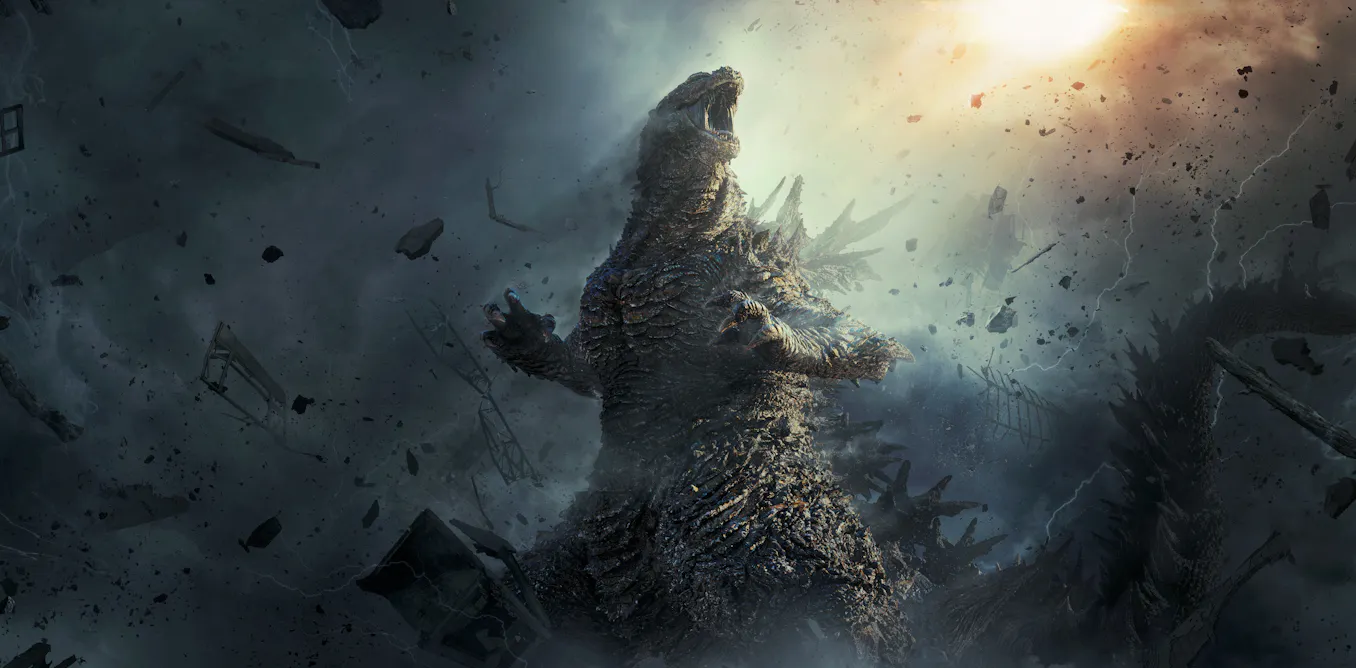
Why the film feels loud
Cinema soundtracks often have a wider dynamic range than audio played through televisions or laptops. A sudden explosion after quiet dialogue can make a film feel dramatic, while continuous layers of music, speech and effects may seem loud even when peak levels are no higher.
Frequency also shapes how sound is experienced. High notes can feel piercing, while low frequencies can be felt physically. For a giant creature, deep rumbles suggest mass, and sharp impacts help convey force and detail.
The original 1954 Godzilla roar was made by dragging a resin-coated glove across double bass strings. Composer Akira Ifukube used low frequencies, sharp impacts and reverb to suggest the creature’s size and power.
What IMAX adds
Godzilla Minus Zero is among a small number of recent films made for IMAX. In 2025, at least 14 films were specifically “filmed for IMAX,” out of 122 films released in IMAX theatres worldwide.
Some IMAX with Laser theatres use 12-channel sound systems, with overhead and additional side channels. Deep bass can give Godzilla’s footsteps a physical presence, while surround sound places effects such as debris and explosions around viewers.
Who controls playback levels
Film sound is mixed in dedicated dubbing theatres, where engineers balance dialogue, music and effects for playback across cinemas. The traditional calibration method uses a test signal at a reference level of about 85 dB through one front speaker; this does not mean a film stays at that level.
Cinemas are not legally required to preserve the exact volume of the mix. They may adjust playback for audience comfort, room acoustics or business needs, and some venues may consider requests to raise or lower the sound. What they can do depends on technical settings, management policies and the film’s mix.
What the alert means for hearing
A smartwatch can register high sound levels, but it cannot establish the overall level of a film. That broader measure matters when assessing possible hearing risks. Hearing damage depends on sound intensity and exposure time, so a brief loud burst is not the same as sustained exposure at that level. Sound becomes dangerous to human ears at sustained levels of 85 dBA and above; dBA accounts for how people hear different sounds.
Key points
- An IMAX attendee reported a 90-decibel smartwatch alert during Godzilla Minus Zero.
- Dynamic range, frequency and sound-system design all affect how loud a film seems.
- Cinemas can adjust playback levels, despite filmmakers mixing to industry standards.
- Hearing risk depends on both sound intensity and exposure time.