

After clocks moved back, daylight saving time 2026 ended today: here’s what millions should know
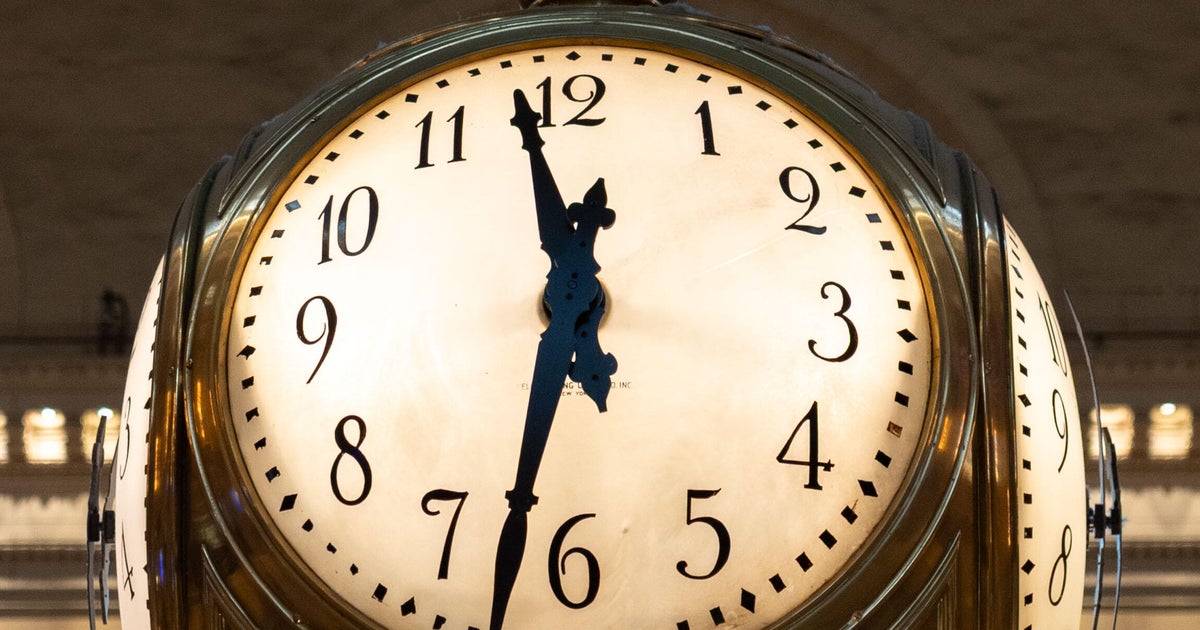
Clocks move back for winter
The annual switch ended for 2026 during the night after Halloween. Most U.S. clocks moved back by an hour at 2 a.m. Sunday, while late-night partygoers had more time for their celebrations.
Standard time brings daylight earlier in the morning during fall and winter. Daylight saving time shifts an hour of daylight into the evening during spring and summer, when days are longer.
A long-running time policy
States and municipalities initially had discretion over whether and when to observe the practice. Congress set uniform start and end dates in 1966, and continuous daylight saving time was ended in the 1970s before it reached 10 months.
Since 2007, clocks have moved back on the first Sunday of November. A 2005 law shifted the end from the last Sunday in October and also moved the spring start date from the first Sunday in April.
Permanent change remains uncertain
Cotton pointed to an earlier attempt at permanent daylight saving time, saying the country returned to twice-yearly changes after people experienced very late winter sunrises. The Senate faces a deadline: pending bills are set to expire in early January when lawmakers elected in Tuesday’s midterm elections take office.
States and devices vary
Daylight saving time is observed in every state except Hawaii and most of Arizona. The Navajo Nation, which extends into part of Arizona, observes the change to remain aligned with communities in New Mexico and Utah, according to the tribe.
Apple, Google and Samsung provide instructions for changing device clocks. Simple Mobile and Straight Talk have also published guidance for checking phone settings.
Key points
- Most U.S. clocks moved back one hour at 2 a.m. Sunday.
- The Sunshine Protection Act passed the House in July and awaits Senate action.
- Hawaii and most of Arizona do not observe daylight saving time.
- Pending bills are set to expire in early January.