NZ climate enters uncharted territory as extreme weather events lie ahead
Warming sets a new backdrop
New Zealand’s warming is reflected in the record: seven of the ten hottest years occurred in the decade since 2016. At Baring Head, measured carbon dioxide levels have risen 30% since 1972, while the yearly rate of increase has tripled since the 1960s.
Ocean surface temperatures around New Zealand have increased 34% faster than the global average. The Tasman Sea has become a hotspot for marine heatwaves, with serious consequences for marine ecosystems.
The report says glaciers could lose 50% to 85% of their remaining mass this century. Some may disappear entirely unless emissions fall quickly enough.
More extremes, shifting seasons
A record-strength El Niño could make summer drier and windier in northern and eastern New Zealand. Combined with ongoing warming, it may bring stronger rainfall extremes, especially in the west of the South Island, and more intense drought in some eastern regions.
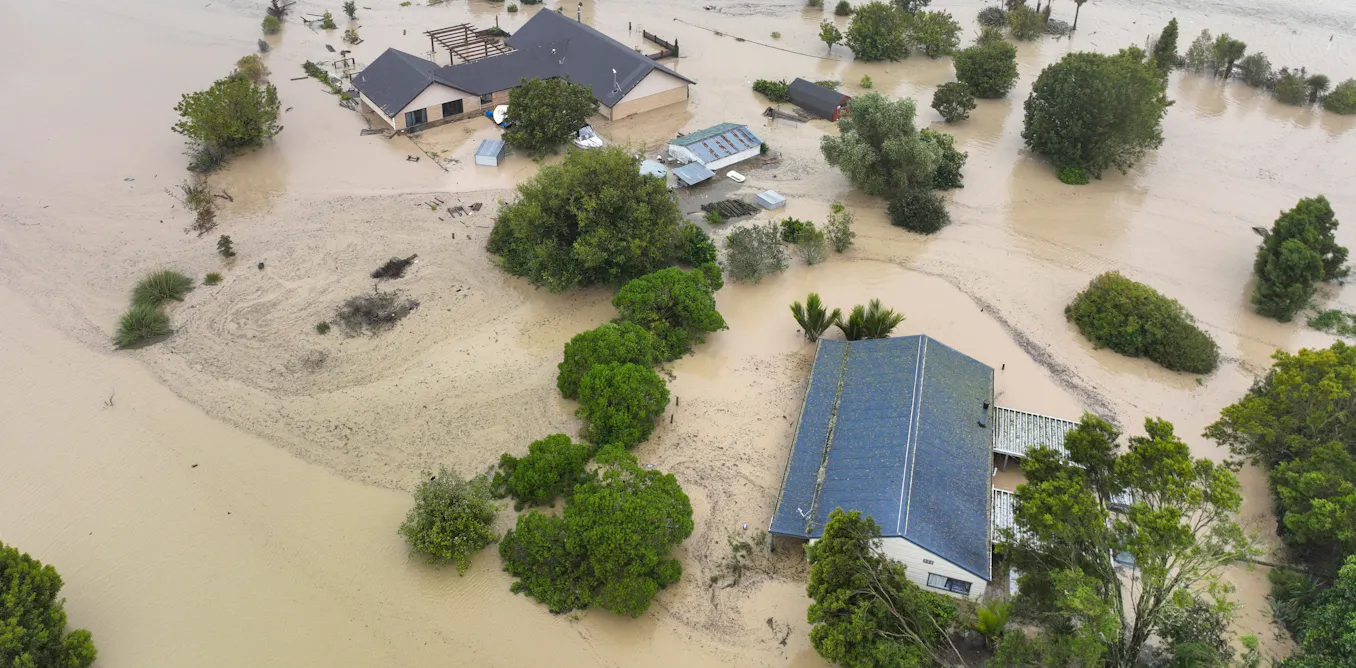
The report expects more frequent and severe droughts, heatwaves and fires, as well as bigger floods. Cold extremes are expected to become less common, alongside major changes in cooler parts of the country that could affect water and food security.
Warmer, drier conditions may increase reliance on dryland agriculture. Less winter cooling could also alter where pip and stone fruit can grow, as those crops need winter chilling to flower and bear fruit.
Rising seas, exposed communities
Melting ice and warmer oceans are driving sea-level rise, which is accelerating around New Zealand’s coasts. The rise will continue for centuries, with the greatest impacts expected in areas where the land is sinking.
Coastal communities and ecosystems face increasing pressure, and the report says losses of infrastructure and private property in coastal floods are virtually inevitable during this century and beyond. Impacts will vary among communities; Māori communities and businesses are especially exposed.
Many marae are in exposed coastal locations or on floodplains, and more than 80% of Māori households face flood risk. Māori businesses are often concentrated in agriculture, forestry and aquaculture, sectors exposed to climate impacts.
Economic costs and connected risks
New Zealanders make up 0.06% of the world’s population but contribute 0.17% of total emissions. Per person, they rank among the 40 largest emitters internationally. The report describes existing costs across sectors. Drought reduces dairy production and raises water-storage costs, while horticulture may see growing regions shift for kiwifruit, avocados and blueberries. Warming oceans can move commercial fish stocks and reduce catches, while algal blooms and marine heatwaves threaten farmed salmon and shellfish.
Tourism may also be affected: visitor numbers fell after ex-tropical cyclone Gabrielle, and future travel costs and preferences may deter international visitors. Floods and landslides can disrupt transport and energy networks, interrupting supply chains; consecutive events can compound damage for regional communities.
Key points
- New Zealand has warmed 1.36°C since records began in 1909.
- The report warns of more droughts, heatwaves, fires and bigger floods.
- More than 80% of Māori households are exposed to flood risk.
- Glaciers could lose 50% to 85% of their remaining mass this century.