Limited evidence of protester violence at Sydney demonstration against Israeli president Isaac Herzog’s visit
Inquiry’s early findings
Kirsten Edwards SC, counsel assisting the Law Enforcement Conduct Commission, said the evidence gathered so far indicated the protest was largely peaceful in its early stages. She cautioned that the inquiry’s evidence was not yet complete.
Edwards also said footage appeared to show protest organisers trying at various points to reduce tensions with police. The commission is investigating allegations of police brutality following the rally.
Police conduct under scrutiny
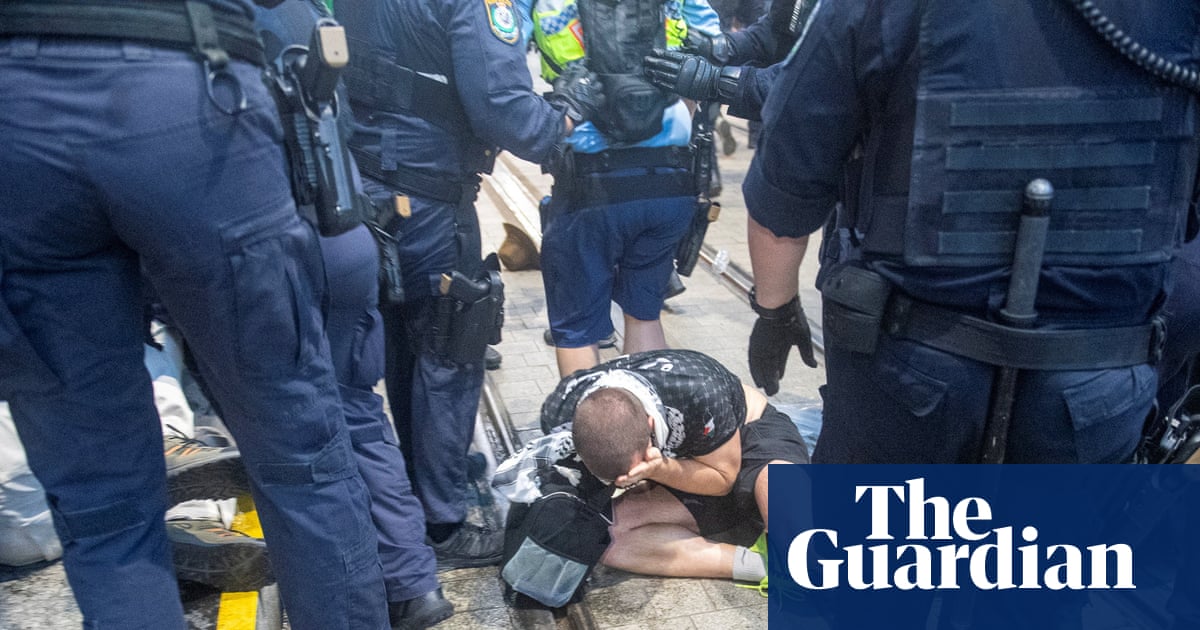
The inquiry is examining accounts of pushing and shoving as crowds were dispersed, officers moving quickly in formation towards people fleeing, and force used during arrests. It is also looking into allegations that some police officers boasted about unnecessary force.
Edwards said the commission had also identified occasions when officers showed care for elderly and vulnerable people, and concern about protestgoers being near hazards. Investigators are considering whether police conduct was widespread or encouraged or approved by senior officers that night.
Restrictions and court cases
The commission will assess police actions under the rules in force at the time, which limited protesters’ ability to march. The restriction, known as the Public Assembly Restriction Declaration, or PARD, was ruled unconstitutional by the state’s highest court two months after the protest.
A joint hearing was initially scheduled for 25 of about 30 people charged, and is expected to run for six weeks in the local court in July 2027. After charges were dropped, 17 people remained part of the joint hearing.
Key points
- The inquiry has so far found limited evidence of physical violence by protesters.
- It began after widespread allegations of police brutality at the Sydney rally.
- The commission is examining police actions, including crowd dispersal and arrests.
- Seventeen people are now part of a joint hearing expected in July 2027.