A Pacific Expedition to Find Amelia Earhart’s Plane Ends in a Setback
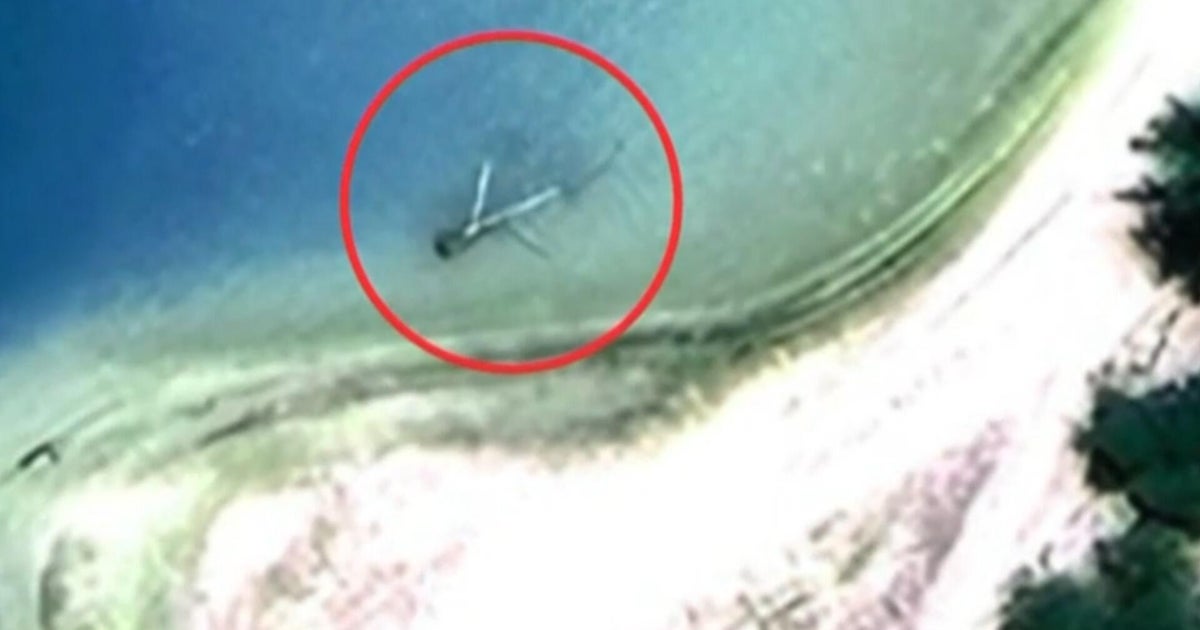
Expedition examines island anomaly
On Oct. 14, a 17-member team led by Purdue University’s Steve Schultz and Archaeological Legacy Institute’s Richard Pettigrew began investigating the Taraia Object. The anomaly lies in a lagoon off Nikumaroro and appeared in aerial photographs to resemble possible wreckage from Earhart’s Lockheed Electra 10-E.
A Navy veteran noticed the feature in satellite imagery during the COVID pandemic, though it appears in aerial photographs dating to 1938. Pettigrew thought it might be metal rather than a tree, but researchers said its identity needed further examination.
Search ends with disappointment
After visiting the site, researchers said the object was not Earhart’s missing aircraft. The result overturned an earlier assessment: the team had previously described evidence for that possibility as “very strong.” The finding adds to decades of unsuccessful searches for the plane. In 2024, a sonar image appeared to show an aircraft on the ocean floor, but investigators later identified the shape as a rock formation.
Earhart’s final flight
Earhart and navigator Fred Noonan disappeared on July 2, 1937, about 22,000 miles into their journey. She was trying to become the first woman to fly around the world and the first pilot to make the trip around the equator.
They were headed for Howland Island when they disappeared. Nikumaroro, part of Kiribati, is roughly 400 miles southeast of Howland Island and about halfway between Australia and Hawaii.
Key points
- Researchers found that the Taraia Object is not Earhart’s missing plane.
- A 17-member expedition investigated the feature near Nikumaroro.
- Earhart and Fred Noonan disappeared on July 2, 1937.
- A 2024 sonar lead was later identified as a rock formation.