How batteries help reduce emissions—and how using fewer can cut more
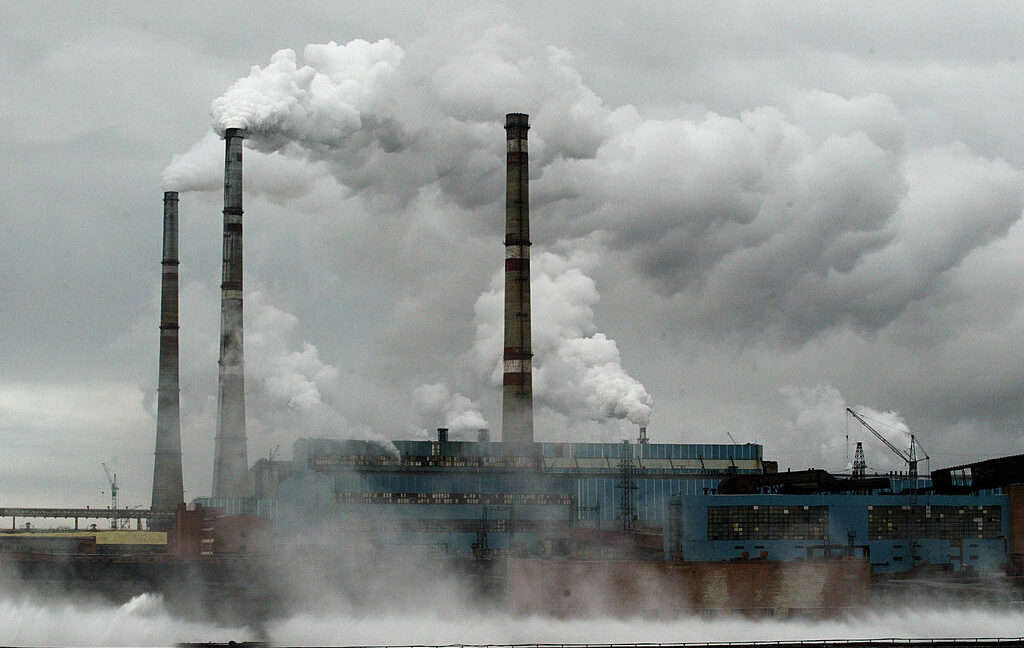
Battery production’s growing footprint
Electrifying vehicles and heating, while powering them with renewable electricity, is a central early step in the energy transition. As emissions from larger sources decline, smaller sources such as battery production become more significant.
The study estimates that battery production currently accounts for 0.18 percent of annual greenhouse gas emissions. That amount could rise by a factor of 10 or more by 2050 as battery use grows.
Researchers assessed batteries for electric vehicles and energy storage through 2050. Their projections account for regional differences and International Energy Agency scenarios for future electricity generation and battery demand.
Cleaner ways to make batteries
Emissions can be lowered by choosing battery materials that require less energy to mine and refine, improving manufacturing efficiency, and recycling materials. Recycling can return materials to use while consuming much less energy than mining.
The study estimates that production improvements could cut the carbon footprint of an individual battery by 34 percent by 2050. Between 2024 and 2050, these changes could prevent 3.5 billion to 4.7 billion tons of CO2 emissions.
Reducing demand for batteries
The researchers also examined ways to avoid making batteries in the first place. This does not mean rejecting batteries, but making them last longer and limiting the need for replacements or larger packs.
Making EV batteries last as long as the average vehicle could reduce battery demand by 29 percent in the analysis. Limiting continued growth in average battery capacity, linked to preferences for longer range and larger vehicles, could cut demand by another 23 percent compared with the current trend. Ride-sharing could reduce demand by almost 10 percent, while reusing batteries from retired vehicles for energy storage could contribute a further 8 percent.
Combined savings add up
Together, the demand-reduction measures could avoid 6 billion to 7.2 billion tons of CO2 between 2024 and 2050—more than the estimated savings from supply-chain improvements. For comparison, fossil fuel burning produced about 38 billion tons in 2025.
Battery production is a relatively small source of emissions, but reaching net zero requires addressing smaller sources alongside the largest ones. Reducing demand can add to the gains from cleaner electricity and lower-impact production.
Key points
- Battery production now causes 0.18 percent of annual greenhouse gas emissions, but its share could grow sharply by 2050.
- Cleaner production methods could avoid 3.5 billion to 4.7 billion tons of CO2 by 2050.
- Demand-reduction measures could avoid 6 billion to 7.2 billion tons of CO2 from 2024 to 2050.
- Longer-lasting EV batteries and limits on battery size could reduce demand substantially.