A foolish character drew out real views: 60 minutes transcript with Sacha Baron Cohen revisits Ali G
Testing an early Ali G
Before Ali G became familiar to millions, Baron Cohen tried an early version among London skateboarders. He planned to use the sketch on a youth culture program he hosted on cable.
Baron Cohen recalled that the skaters mocked his poor skateboarding. After he dropped the character and explained the act, they were surprised; later, a senior boss warned him that repeating it could cost him his job.
A character reaches television
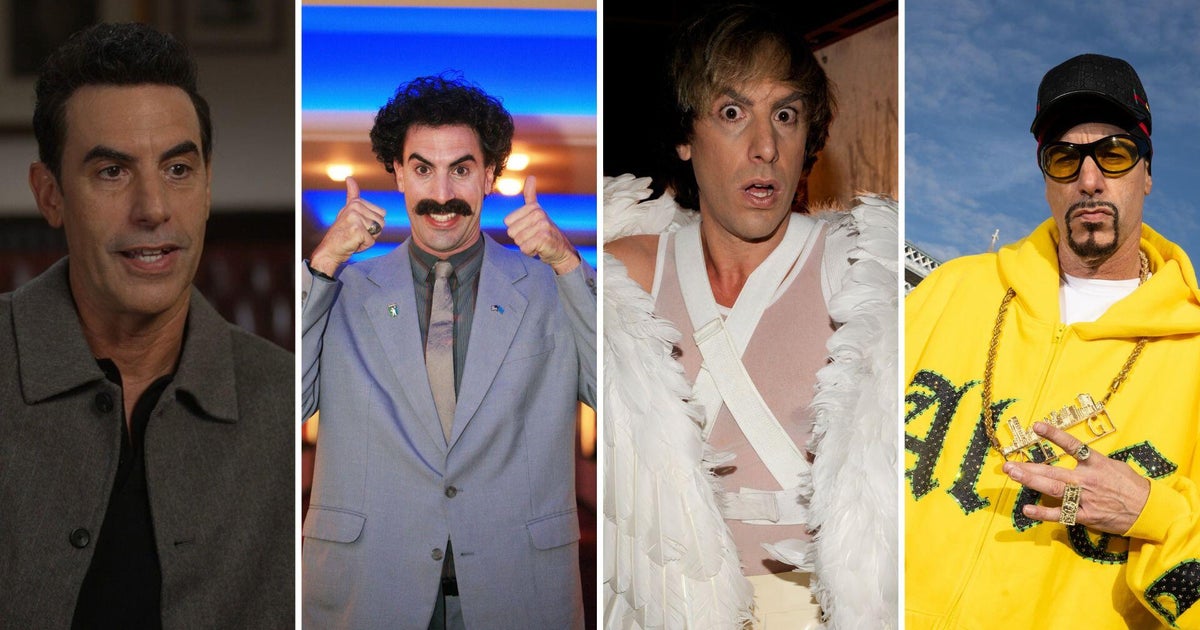
Ali G developed into a white, inept would-be rapper and hip-hop journalist. The character’s 1998 appearance on a satirical late-night show helped lead to Da Ali G Show, a hit in the U.K. that later spawned an HBO series and a feature film.
Baron Cohen said the humor came from pairing an expert with an exceptionally foolish interviewer. He used Ali G to approach authorities, including former U.S. Surgeon General C. Everett Koop.
Comedy shaped by performance
Baron Cohen grew up in northwest London, the youngest of three boys. He studied history at Cambridge University, where he discovered performance, after developing an interest in breakdancing and early hip-hop.
He later trained with Philippe Gaulier, whose approach emphasized playing a deeply foolish clown. Baron Cohen also described careful preparation for Borat, including deciding which people to interview, and said the character could reveal both kindness and underlying bigotry.
From Borat to Bruno
Baron Cohen’s next character after Borat was Bruno, a flamboyant fashion reporter seeking fame. He said the film was conceived as a gay romantic comedy, a genre he noted calls for a kiss at the end.
Key points
- Baron Cohen first tested an Ali G prototype among London skateboarders.
- Ali G’s 1998 television debut helped launch a U.K. hit, an HBO series and a film.
- Baron Cohen said Borat could expose prejudice while also showing people’s kindness.
- After Borat, he created Bruno, a flamboyant fashion reporter.