MIT scientists find a hidden cancer risk of the keto diet
A ketogenic diet is high in fat and very low in carbohydrates. By sharply limiting carbohydrates, it shifts the body away from relying on sugar for energy and toward burning fat instead, an effect that can help some people lose weight.
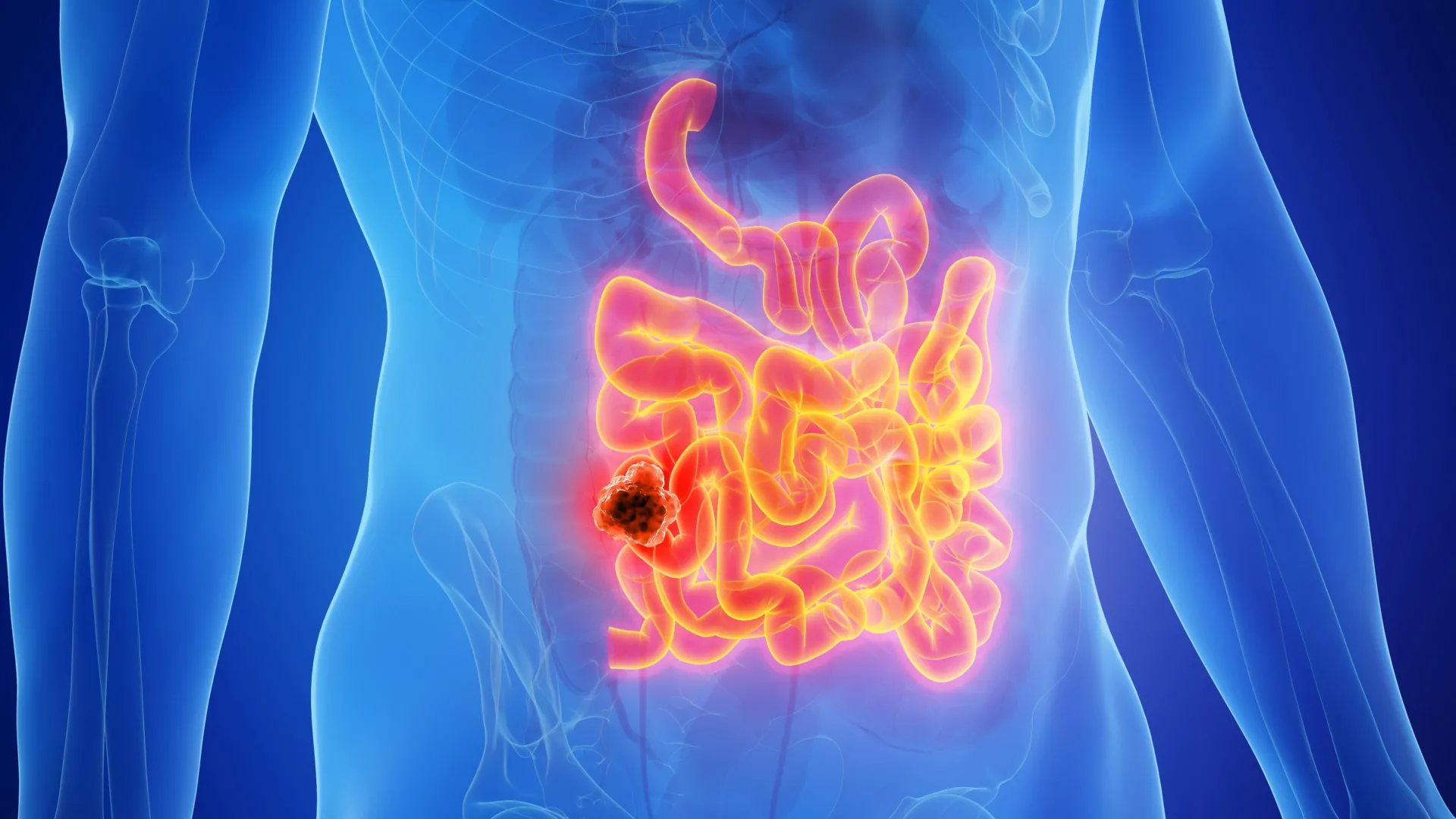
Scientists have increasingly studied whether this metabolic shift influences other areas of health, including cancer. Previous research has suggested that ketogenic diets may help protect against colon cancer. However, new research from MIT points to a very different outcome in the small intestine, where the same type of diet may increase cancer risk.
"Ketogenic diets have distinct effects on different tissues even within the gastrointestinal tract. I think the message here is that we need to be very careful in generalizing the effects that these diets can have, because what might be beneficial for one tissue may be detrimental for another tissue," says Omer Yilmaz, director of the MIT Stem Cell Initiative, an associate professor of biology at MIT, and a member of MIT's Koch Institute for Integrative Cancer Research.
Yilmaz is the senior author of the research, published in Nature. MIT postdoctoral researchers Jessica Shay and Fangtao Chi are the paper's lead authors. Scientists from the laboratories of Alex K. Shalek, director of MIT's Institute for Medical Engineering and Science, and Matthew Vander Heiden, director of the Koch Institute, also participated in the work.
Ketogenic diets were first developed during the 1920s as a treatment for epilepsy. In more recent decades, they have also been adopted for weight loss and as a possible strategy for extending lifespan. These diets contain a large proportion of fat, very little carbohydrate, and normal or reduced amounts of protein.
With carbohydrates such as glucose in short supply, the body begins using fatty acids as a major energy source. Breaking down those fats generates compounds known as ketone bodies, including β-hydroxybutyrate (BHB) and acetoacetate. Ketone bodies also appear during fasting or very low-calorie diets, when the body must draw on stored fat for energy.
A 2022 study in Nature found evidence that a ketogenic diet could protect against colon cancer and proposed that BHB, the most abundant ketone body, played a central role in that benefit. The MIT researchers behind the new Nature study set out to determine whether keto might provide a similar protective effect in the small intestine.
To investigate, the researchers studied mice genetically predisposed to developing intestinal cancer. The animals were given either a ketogenic diet, a control diet, or a high fat/high calorie diet.
Mice eating the ketogenic diet developed small intestinal tumors more often than animals receiving the control diet. Although the keto-fed mice did not become obese, their tumor rates were similar to, and in some cases higher than, those seen in mice consuming the obesogenic high fat/high calorie diet.
Further experiments produced an unexpected result. Ketone bodies themselves did not appear to cause the increased tumor growth.
Instead, the effect was traced to fatty acid oxidation, the process intestinal cells use to burn dietary fat for energy. Increased activity in this pathway switches on a family of proteins called PPARs. Those proteins then encourage intestinal stem cells to divide more rapidly, creating more opportunities for some of the cells to become cancerous.
Having highly active stem cells is not always harmful. Rapid stem cell growth can help the intestinal lining recover after injury or illness. But excessive cell division can also increase the likelihood of tumor formation.
Dive deeper
- A ketogenic diet is high in fat and very low in carbohydrates. By sharply limiting carbohydrates, it shifts the body away from relying on sugar for energy and toward burning fat instead, an effect that can help some people lose weight.
- Scientists have increasingly studied whether this metabolic shift influences other areas of health, including cancer. Previous research has suggested that ketogenic diets may help protect against colon cancer. However, new research from MIT
- "Ketogenic diets have distinct effects on different tissues even within the gastrointestinal tract. I think the message here is that we need to be very careful in generalizing the effects that these diets can have, because what might be ben
- Yilmaz is the senior author of the research, published in Nature. MIT postdoctoral researchers Jessica Shay and Fangtao Chi are the paper's lead authors. Scientists from the laboratories of Alex K. Shalek, director of MIT's Institute for Me
- Ketogenic diets were first developed during the 1920s as a treatment for epilepsy. In more recent decades, they have also been adopted for weight loss and as a possible strategy for extending lifespan. These diets contain a large proportion