.jpg)
 Look up a medicineRead the FDA label in large print: uses, warnings, side effects and dosage, word for word.Open
 Photo: Steve Buissinne (Stevepb). CC0. Wikimedia Commons
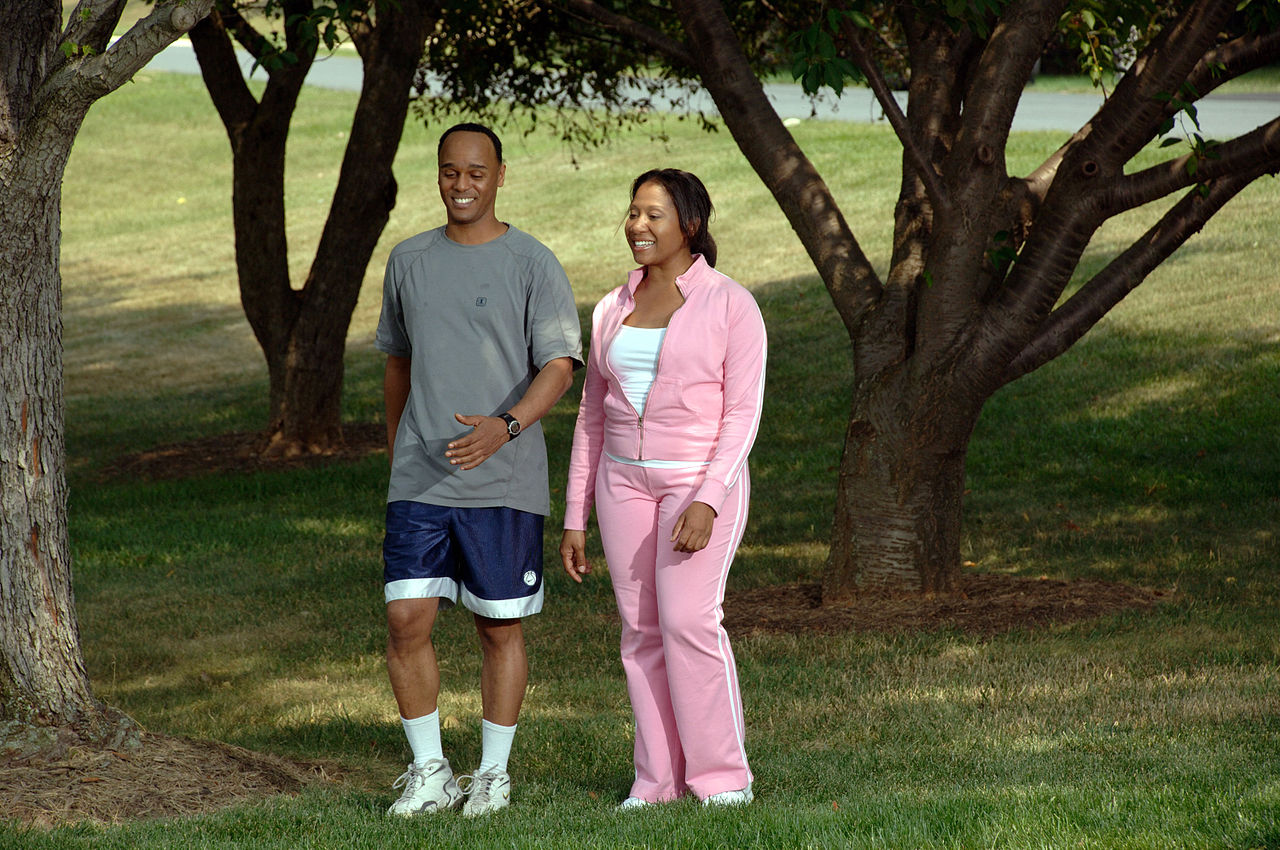
Photo: Bill Branson, National Cancer Institute, National Institutes of Health. Public domain. Wikimedia Commons
Four ordinary subjects, in plain words. No cures, and no ranking of your body.
Not medical advice. This page explains general habits and published explainers. It does not diagnose or treat anything. For your own health, talk with a doctor, nurse, or pharmacist. In an emergency, call your local emergency number.
Four simple tools. Your readings and lists stay on your own device.
Look up a medicineRead the FDA label in large print: uses, warnings, side effects and dosage, word for word.Open Photo: Steve Buissinne (Stevepb). CC0. Wikimedia Commons
 Blood pressure logWrite down each reading. See them on a chart. Print them for your doctor.Open
 Photo: rawpixel.com. CC0. Wikimedia Commons
 Blood sugar logKeep your numbers in one place, with the time of day. Print or save a copy.Open
 Photo: Biswarup Ganguly. CC BY 3.0. Wikimedia Commons
 Questions for your doctorTick the topics for your visit and print a list to take with you.Open
 Photo: National Cancer Institute. Public domain. Wikimedia Commons

A regular bedtime and enough hours help many adults feel more rested. The sleep calculator only lines up 90-minute cycles with a wake-up time. It cannot tell you why you are tired.
Photo: Quin Stevenson. CC0 public domain. Wikimedia Commons

Thirst, meals, and ordinary drinks cover much of a normal day. The water guide is a rough figure from weight and activity. It is not a rule, and a fluid limit from a clinician comes first.
Photo: Kurt Kaiser. CC0 public domain. Wikimedia Commons

A walk you can hold a conversation through is ordinary movement. It is not a treatment and not a training plan. Stop if something hurts, and rest when you have been told to.
Photo: Steve Hillebrand, U.S. Fish and Wildlife Service. Public domain. Wikimedia Commons

One paper is a clue, not a conclusion. Check who was studied, how many people, and whether others have repeated the work. A claim that something prevents a disease usually goes past what a single study showed.
Photo: Carol M. Highsmith, Library of Congress. Public domain. Wikimedia Commons
These run in your browser. They are rough figures, not a checkup.
Sleep calculatorBedtimes spaced by 90-minute cycles. A planning aid, not a sleep test.Photo: Quin Stevenson. CC0 public domain. Wikimedia Commons
 BMI calculatorA screening number for adults. Muscle, age, and health history are not in the figure. It is not a diagnosis.
Photo: Bill Branson, National Cancer Institute, National Institutes of Health. Public domain. Wikimedia Commons
Water intake guideA rough daily fluid figure from weight and activity. Not a prescription.Photo: Kurt Kaiser. CC0 public domain. Wikimedia Commons
 Calorie calculatorAn estimate of the energy a body uses in a day. It is not a diet.
Photo: U.S. Department of Agriculture. Public domain. Wikimedia Commons
Published explainers from the health section. They describe what a source reported. They are not advice for you.
 HealthWhy New Shoes Cause Blisters on Long Fall WalksOct 4, 2026 · 1 min read0 views
 HealthWhy Your Stomach Growls When Hungry, Explained CalmlyOct 4, 2026 · 2 min read0 views
 HealthEuthanasia Explained: What the Word Means in Different LawsOct 4, 2026 · 3 min read0 views
 HealthWhy We Sneeze: How the Nose Clears Irritants FastOct 3, 2026 · 2 min read0 views
 HealthMedicare Advantage Cuts for 2027: What Seniors Should KnowOct 3, 2026 · 4 min read0 views
 HealthStudy Ties MIND Eating Pattern to Slower Brain ChangesOct 3, 2026 · 2 min read1 view


.jpg)


