Archaeologists may have finally solved a 100-year-old Florida mystery
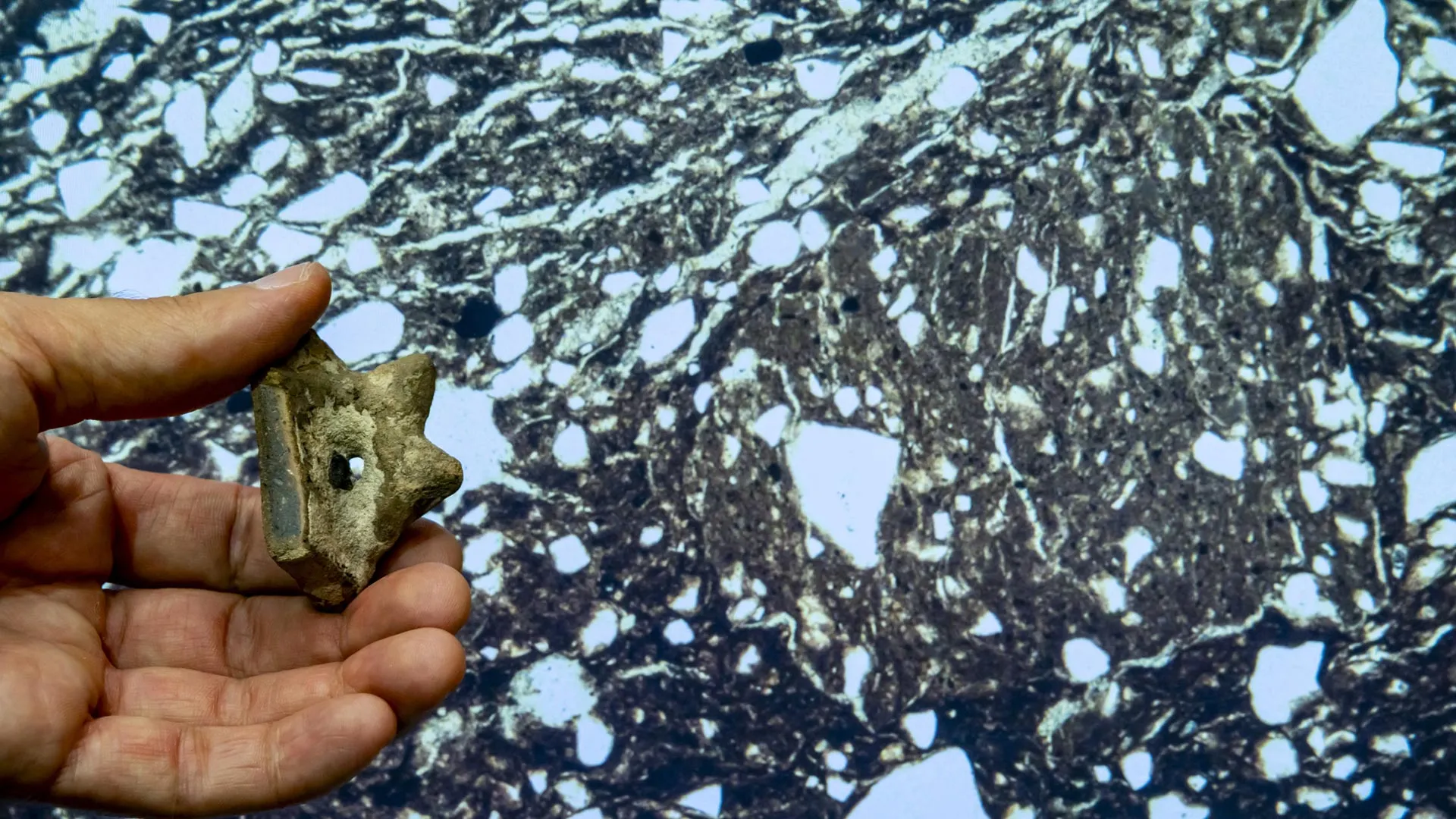
About a century ago, archaeologists excavating pottery fragments around Tampa Bay encountered something puzzling. Some of the pieces carried decorations that looked strikingly similar to pottery found hundreds of miles farther north. On appearance alone, the fragments seemed connected to the Mississippian culture, which emerged more than 1,000 years ago and reshaped social, economic and political life across much of southeastern North America.
For decades, however, maps of the Mississippian world generally left out peninsular Florida. The Tampa Bay pottery suggested that the region's relationship with that culture may have been more complicated.
"It's been this open debate for a century," said Neill Wallis, curator of Florida archaeology, bioarchaeology and the Ceramic Technology Laboratory at the Florida Museum of Natural History. "Tampa Bay sites had some Mississippian-like traits such as platform mound-village complexes and iconography, but lacked others, like maize agriculture and shell-tempered pottery. The Mississippian-looking pottery has always begged the question: How did this stuff wind up in Tampa Bay?"
Mississippian pottery could provide some of the strongest evidence linking Tampa Bay communities with the broader culture. But decorative similarities alone could not reveal where the vessels had actually been made. Lacking the necessary technology and expertise to answer that question, museum curators stored the mysterious fragments while competing explanations remained unresolved.
Researchers at the Florida Museum have now conducted a study aimed at determining where the pottery came from and who made it.
"We were curious to find out if these vessels were imported from the heartland by trade, if they were local imitations of Mississippian motifs, or, as we ultimately found, if they were made by migrants who had made their way into communities in Tampa Bay to take up shop and residency there," said Trevor Duke, who began conducting the research for his doctoral dissertation at the University of Florida. In the years since, Duke and his colleagues have expanded on the initial scope of his dissertation to compile more evidence from a larger collection of samples.
By examining details of pottery production that are almost invisible from the surface, the researchers traced the decorated vessels to a small community of skilled craftspeople who likely traveled hundreds of miles from the Mississippian heartland before settling in Tampa Bay. Compared with the plain molded pottery widely used in the area, the decorated vessels were made with different clay, tempering materials, and production methods. Those differences suggest the migrants possessed specialized expertise and access to resources unavailable to many local residents.
Around 1000 A.D., a new cultural system developed in the Mississippi River Valley and spread across large parts of what are now the Midwest and eastern United States. In its core regions, Indigenous communities became organized into political hierarchies, with powerful chiefdoms exerting influence over surrounding settlements. Large areas were planted with maize, while enormous quantities of earth were moved to construct mounds topped by temples and residences for leaders.
The regional culture that occupied Tampa Bay and nearby areas during this period is known as Safety Harbor. Like Mississippian societies, Safety Harbor communities formed smaller chiefdoms and constructed flat-topped mounds. The region's largest settlement was home to the Tocobaga, while smaller Mocoso, Pohoy, and Uzita chiefdoms were scattered nearby.
Yet important differences remained. None of these groups accumulated the same level of political power seen in the major Mississippian centers farther north. Tampa Bay communities also never adopted the extensive maize agriculture associated with Mississippian society, relying instead on fishing and other marine resources.
Because of this mixture of similarities and differences, archaeologists have long struggled to determine how closely Tampa Bay was connected to the Mississippian heartland. The discovery of pottery decorated in Mississippian styles only deepened the mystery.
To investigate, Duke and other Florida Museum archaeologists assembled 58 plain and decorated pottery fragments from Tampa Bay. Both kinds of vessels were likely used for preparing and serving food, although the decorated pieces may have been reserved for special events.
Dive deeper
- About a century ago, archaeologists excavating pottery fragments around Tampa Bay encountered something puzzling. Some of the pieces carried decorations that looked strikingly similar to pottery found hundreds of miles farther north. On app
- For decades, however, maps of the Mississippian world generally left out peninsular Florida. The Tampa Bay pottery suggested that the region's relationship with that culture may have been more complicated.
- "It's been this open debate for a century," said Neill Wallis, curator of Florida archaeology, bioarchaeology and the Ceramic Technology Laboratory at the Florida Museum of Natural History. "Tampa Bay sites had some Mississippian-like trait
- Mississippian pottery could provide some of the strongest evidence linking Tampa Bay communities with the broader culture. But decorative similarities alone could not reveal where the vessels had actually been made. Lacking the necessary te
- Researchers at the Florida Museum have now conducted a study aimed at determining where the pottery came from and who made it.