A medieval manuscript has confounded scholars for centuries. Have they been reading it wrong all this time?
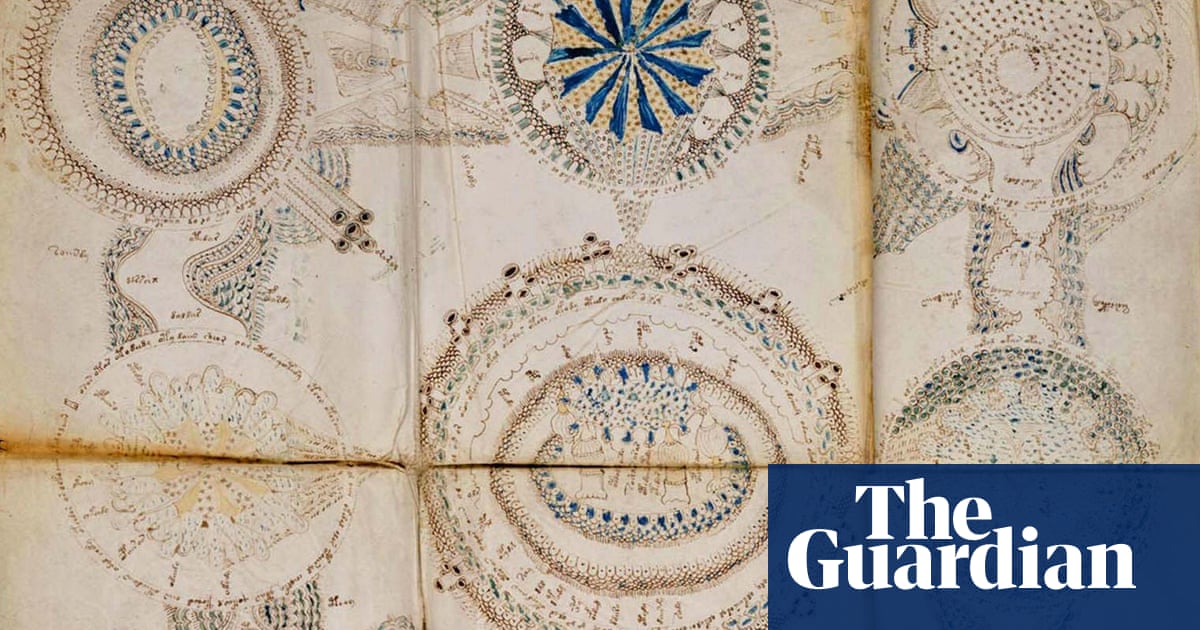
The Voynich manuscript is a medieval work featuring unfamiliar writing alongside images of plants, celestial diagrams and unclothed women. Its meaning has resisted centuries of study.
In a paper in Digital Medievalist, Colin Layfield and Lisa Fagin Davis propose that its folded sheets were originally stacked individually, rather than arranged inside one another as they are now. They believe the change happened in the mid-to-late 15th century.
The proposed arrangement helps explain why some drawings appear to continue into the binding margin without matching the facing page. Layfield says treating the sheets as separate stacked pages makes these visual inconsistencies fit together.
The theory does not decipher the script, but the researchers say it could reshape ideas about the manuscript’s purpose. Layfield suggests its images may point to women’s traditional knowledge, while stressing that this remains unproven.
The manuscript’s parchment has been dated to 1404–1438, ruling out earlier claims that Roger Bacon or Leonardo da Vinci wrote it. The new binding argument offers another clue, but its authorship and meaning remain unresolved.
Key points
- Researchers argue the sheets may originally have been stacked individually, then rebound in a different arrangement.
- The proposed binding order may clarify illustrations that do not line up across facing pages.
- The manuscript’s writing remains undeciphered, and a proposed link to women’s folk knowledge is unconfirmed.