Trust in the German Constitutional Court is eroding — how can this be stopped?
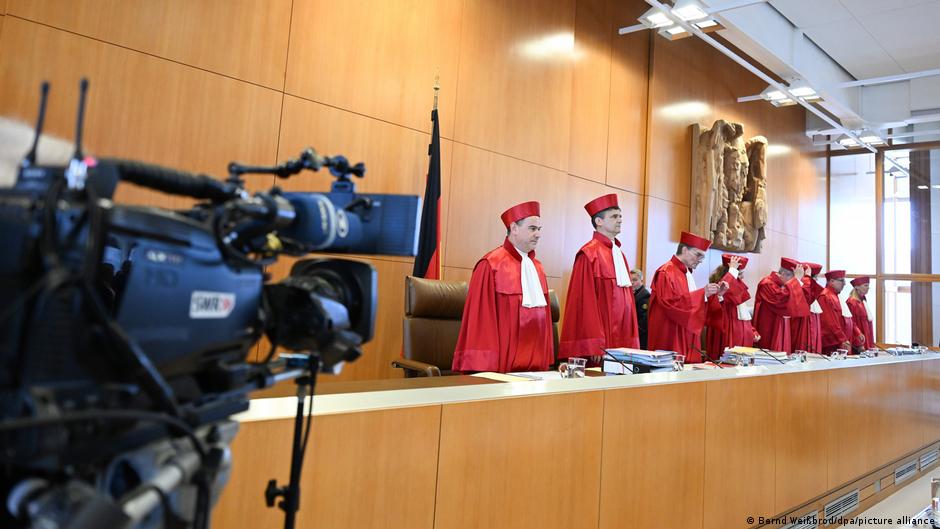
Germany’s Federal Constitutional Court is still the most trusted of the country’s major government institutions, but recent figures point to declining confidence. A YouGov survey found 66% of Germans trust the court, down from 81% in 2021 in an Allensbach Institute study.
The court’s standing fell during a broader decline in trust in government. Some observers link the shift to pandemic-era rulings that allowed restrictions on certain freedoms, which drew protests and led critics to question the court’s independence.
Former Hamburg University professor Christine Landfried argues that the court inevitably addresses political matters, but must resolve them through legal reasoning. Founded in 1951, it interprets the Basic Law on issues including privacy, climate policy and welfare payments.
Former judge Gertrude Lübbe-Wolff instead sees a mismatch between the court’s membership and Germany’s changing political landscape. Under an informal arrangement, parties in the Bundestag and Bundesrat put forward candidates, and each chamber chooses half of the judges for the court’s two senates.
That selection agreement came under strain last year when a campaign against SPD nominee Frauke Brosius-Gersdorf led some CDU lawmakers to withdraw support; she later dropped her candidacy. The article also notes suggestions that the process should admit candidates nominated by the far-right AfD, though it does not report a change to the system.
Key points
- A YouGov poll found 66% trust the court, compared with 81% in a 2021 study.
- Pandemic-era rulings and criticism of the court’s independence may have contributed to falling confidence.
- A dispute over an SPD nominee exposed tensions in the informal process for selecting judges.