Curiosity Blog, Sols 5022-5028: Cashing in at Cache Creek - NASA Science
NASA’s Curiosity rover has reached the Cache Creek area of Gale crater. The region’s name comes from a geologically varied area in British Columbia, Canada, which includes rocks and lakes that may offer comparisons with ancient Martian environments.
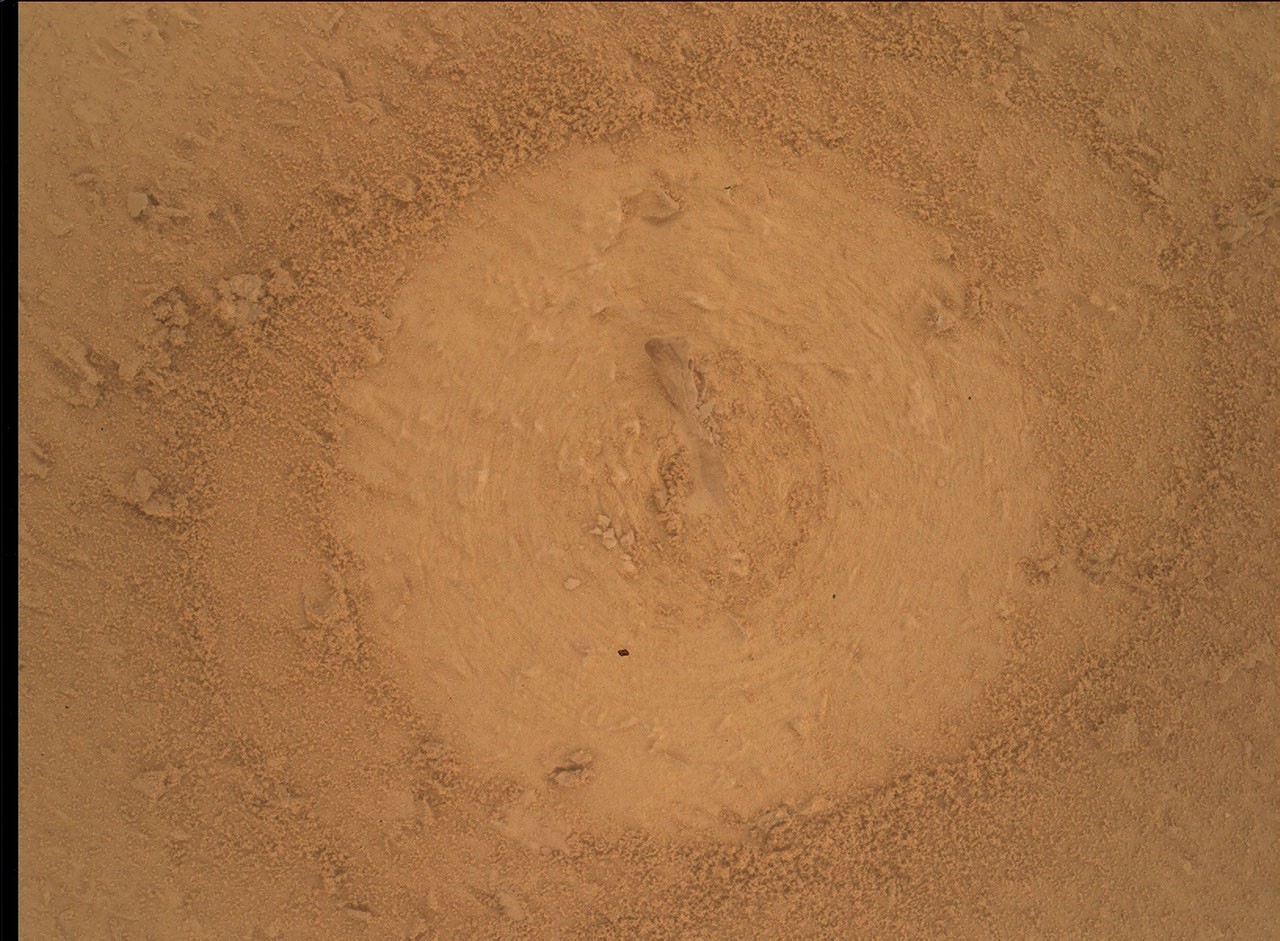
The rover drilled a rock target called Basque Lakes, its 48th drilled target in Gale crater. Scientists used instruments to measure the rock’s chemistry and inspect its surface textures, while engineers checked that it was stable enough for drilling.
Despite limited power and the rover’s age, the team also surveyed nearby bedrock, the drill hole and loose material, and a deposit of jumbled blocks near a butte. Cameras continued monitoring the terrain and atmospheric conditions.
Next week, the team plans to deliver part of the drilled sample to Curiosity’s SAM instrument for analysis. The rover is expected to remain at the site for about another week, then discard the sample material and continue exploring Mount Sharp and Gale crater.
Key points
- Basque Lakes is Curiosity’s 48th drilled rock target in Gale crater.
- Scientists used several instruments to study the rock and surrounding terrain.
- Sample analysis is planned before Curiosity leaves the site and continues its exploration.