

Why Bogong Moths Can Look Like Rain on Weather Radar
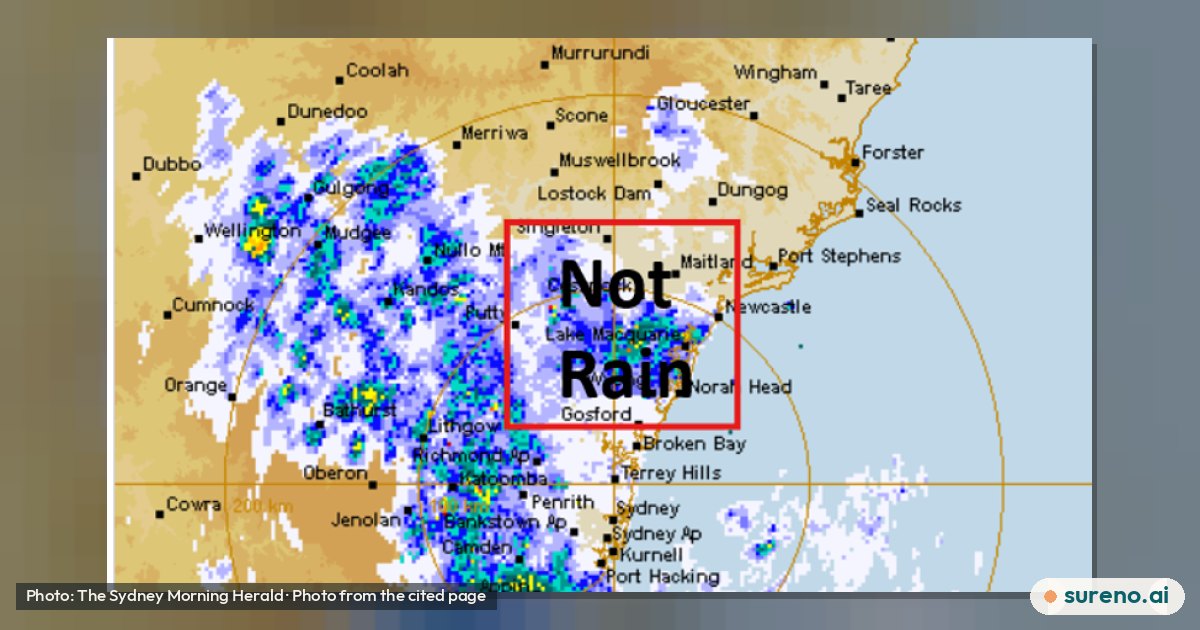
Bogong moths migrating south can create radar echoes that resemble light rain, even when skies are clear.
The short version
- Large Bogong moth swarms can create radar echoes that resemble very light, widespread rain, including when the sky is clear. 1
- The Bureau of Meteorology said its radars are not malfunctioning; insects can be detected because they reflect radar signals. 12
- The reported echoes have appeared in south-eastern Australia during the moths’ southward migration towards summer shelter in the Australian Alps. 12
- Radar alone may not identify what is causing an echo; the reports describe checking it against clear skies and the timing of moth activity. 12
How can moths confuse weather radar?
Weather radar sends out brief pulses of radio waves. When those waves meet something in the air, some of the signal bounces back. The returning signal, called an echo, can appear on a radar display. 2
Radar detects targets, but an echo is not automatically proof of rain. The Bureau of Meteorology says large numbers of insects can look like very light, widespread rain. 1 So a broad patch on a screen can be caused by moths as well as water droplets.
Why are Bogong moths appearing on Sydney-area radar?
Bogong moths are migrating south towards cool caves in the Australian Alps, where they shelter over summer. Reports say the swarms have been large enough to appear on radars in parts of eastern New South Wales. 1
The echoes have reportedly appeared in the evenings, often just after sunset. ABC meteorologist Tom Saunders described radar signals appearing on repeated evenings despite clear skies and no rain. 12 That timing is consistent with the reported moth activity, but an individual radar image by itself does not identify the target.
How can forecasters tell moths from rain?
The reports point to comparing radar signals with what is happening outside the radar display. If a radar shows a rain-like patch but skies are clear and there is no rain, insects may be a possible explanation. The repeated evening timing during migration is another clue described in coverage of the event. 12
These sources do not give a full technical checklist or describe a specific test that conclusively separates moth echoes from rain. They also note that other things, including smoke, aircraft, birds, mountains and tall buildings, can appear on radar. 2 A radar image therefore needs interpretation rather than a simple assumption that every echo is precipitation.
Does a moth echo mean the radar is broken?
No. The Bureau of Meteorology said its radars are not malfunctioning and explained that large numbers of insects can resemble light, widespread rain on radar. 1
This is a limitation of what the signal can show, not necessarily a fault in the equipment. Radar detects reflected radio waves; deciding what reflected them takes context. Moth echoes are not described in the sources as evidence that rain is falling.
Why does the moth migration matter?
The radar story may also point to a change in Bogong moth numbers. The Sydney Morning Herald reported that conservationists welcomed the large swarms as a sign that populations may be recovering after a severe crash in 2017. 1
That is a reported interpretation, not a population count or a guarantee of recovery. The sources do not provide figures for the current moth population or establish how long the apparent increase will last. The radar echoes offer a striking sign of many insects in the air, but they cannot by themselves measure the health of the species.
What we don't know yet
- The sources do not give a confirmed count of how many moths are producing the radar echoes.
- They do not provide a detailed method for distinguishing every moth echo from rain or other targets.
- It remains unclear from these reports how long the evening echoes or any apparent population recovery will continue.
Share this explainer
Get this every day, on every new tab
Sureno Browser brings the day's stories, explained simply, to your start page.
Questions people ask
Why does the Sydney radar show rain when it is clear?
Large numbers of airborne insects can reflect radar signals and look like very light, widespread rain. Bogong moth swarms are a suspected cause of recent evening echoes in parts of eastern NSW. 1
Can weather radar detect moths?
How do meteorologists know the radar rain is actually moths?
Are Bogong moths migrating to the Australian Alps?
Yes. Reports say Bogong moths are flying south to shelter in cool caves in the Australian Alps over summer. Their swarms have been suspected of causing some radar echoes in eastern Australia. 1
Is the Bureau of Meteorology radar malfunctioning?
The Bureau of Meteorology said its radars are not malfunctioning. It explained that large numbers of insects can appear like light, widespread rain on radar. 1
Sources
- Clouds, but no rain? Moth swarms bamboozle the weather radar — The Sydney Morning Herald, 2026-10-21
- These Moths Are Confusing Weather Radars - Behind The News — Behind The News, 2026-10-21
More to read
 Nature & AnimalsPolar Vortex Forecast: What Early Winter Signs Can Tell UsOct 26, 2026 · 4 min read0 views
 Nature & AnimalsWhy October Snow Is Affecting Parts of AlbertaOct 24, 2026 · 3 min read0 views
 Nature & AnimalsWhat a Delay to EU Methane Rules Could ChangeOct 23, 2026 · 4 min read0 views
 Nature & AnimalsWhat New Wind Turbines Mean for New Zealand’s Power SupplyOct 22, 2026 · 3 min read0 views
 Tech & Online SafetyThree limits of today’s AI: confidence, decisions and languageOct 25, 2026 · 5 min read1 view
 Nature & AnimalsWhat New Recordings Reveal About Omura’s Whale HabitatOct 22, 2026 · 3 min read0 views
 Nature & AnimalsWhy Southern Ontario’s First Snow May Arrive LateOct 21, 2026 · 3 min read0 views
 MoneyJackdaw Gasfield Approval: What It Means for UK EnergyOct 21, 2026 · 4 min read3 views