

What a Delay to EU Methane Rules Could Change
The European Parliament vote backs a longer pause, but the available reports do not establish that the delay is final or explain its full legal effect.
The short version
- The European Parliament voted to support a three-year delay to EU methane requirements, but the reports provided do not say that this vote alone makes the delay law. 2
- The rules require fossil fuel companies to monitor and report methane emissions; they were due to start applying in 2027. 2
- If a delay takes effect, companies would have more time before those requirements apply, and emissions monitoring and reporting under the rules would begin later. 2
- The European Commission had proposed a one-year delay, while the Parliament vote backed a longer pause. 2
What did the European Parliament vote for?
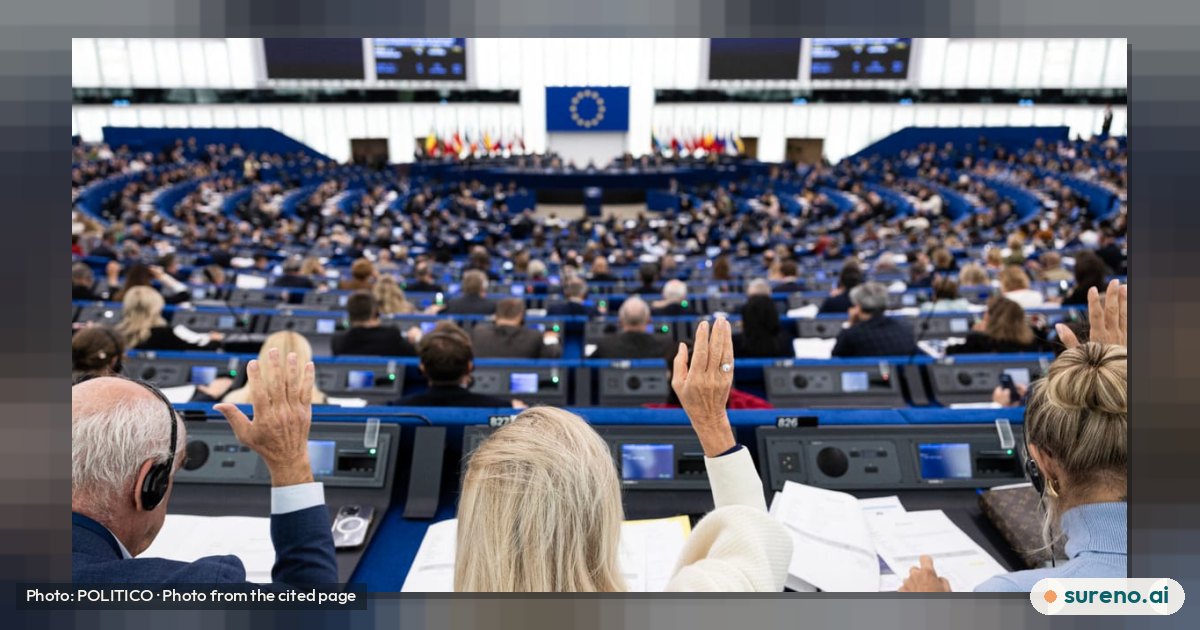
On October 22, 2026, the European Parliament backed an amendment calling for a three-year delay to EU methane rules for oil and gas companies. The amendment passed by 326 votes to 244, according to POLITICO. 2
That is a parliamentary vote, not proof that the law has already changed. The sources provided do not describe the next steps in the legislative process or confirm what final text will take effect. It is therefore safest to describe this as Parliament's position, rather than a completed three-year postponement. 2
What do the EU methane rules require?
The EU Methane Regulation sets requirements for fossil fuel companies to monitor and report methane emissions. Methane is a greenhouse gas: a gas that traps heat in the atmosphere. The regulation covers the energy sector, and the available reporting describes the rules in relation to oil and gas companies. 23
The requirements were due to come into force in 2027. The regulation itself entered into force in 2024, with provisions phased in over time, according to the reference source. 23
How could delaying the rules affect emissions?
A delay would postpone when companies must meet the affected monitoring and reporting requirements. That could mean less regulatory information about methane emissions is required under these rules during the period of delay. It does not, by itself, tell us how much methane would be released or whether companies would change their emissions in response.
The regulation is intended to reduce methane emissions from the energy sector. Methane is described in the sources as a potent greenhouse gas and a major contributor to global warming. The sources do not provide an estimate of how many emissions a three-year delay might add or prevent. 23
What could the delay mean for energy businesses?
For affected companies, a later start would mean more time before the relevant EU monitoring and reporting requirements apply. The sources do not quantify compliance costs, describe which businesses would receive specific relief, or set out how companies might use the extra time.
The vote comes amid debate about climate policy and energy security. Euronews reported that supporters described their position as balancing climate ambitions with easing supply concerns. That is the rationale reported by the outlet, not evidence in these sources that a delay would improve energy supplies. 1
Why was a three-year delay proposed?
The European Commission had proposed delaying implementation by one year, according to POLITICO. The European People's Party proposed going further, with a three-year delay. POLITICO reported that the amendment was supported by far-right groups and the European Conservatives and Reformists, while several centrist and center-left groups opposed it. 2
The report says the Commission proposal followed lobbying from oil and gas interests and the U.S. government. That explains the context reported by POLITICO; it does not establish that lobbying alone caused the proposal or the vote. 2
Is the three-year delay final?
The supplied reporting confirms the Parliament vote but does not establish the final legal outcome. It also does not explain whether other EU institutions must agree, what exact dates would apply, or whether any parts of the regulation would remain on the original timetable. 2
So, as of October 23, 2026, readers should distinguish the vote from a confirmed change in the rules. The practical effect for companies and emissions depends on the final decision and the details of any revised schedule.
What we don't know yet
- Whether the three-year delay will become part of the final EU law.
- What precise start dates and requirements would apply if the schedule changes.
- How much a delay would affect methane emissions or companies’ costs; the supplied sources give no estimates.
Share this explainer
Get this every day, on every new tab
Sureno Browser brings the day's stories, explained simply, to your start page.
Questions people ask
Did the EU delay its methane rules for three years?
The European Parliament voted for a three-year delay on October 22, 2026. The supplied reporting does not confirm that the vote completed the legal process or that the delay is now final. 2
When were EU methane rules supposed to start?
What would the EU methane law require companies to do?
Would a delay mean more methane emissions?
Sources
- MEPs side with industry in vote to delay methane rules — euronews, 2026-10-22
- EPP teams up with far right to win Parliament vote delaying EU methane law — POLITICO, 2026-10-22
- EU Methane Regulation — Wikipedia
Free tools for this
They run in your browser. Nothing is uploaded and there is nothing to sign up for.
More to read
 Nature & AnimalsWhy October Snow Is Affecting Parts of AlbertaOct 24, 2026 · 3 min read0 views
 Nature & AnimalsWhat New Wind Turbines Mean for New Zealand’s Power SupplyOct 22, 2026 · 3 min read0 views
 Nature & AnimalsWhat New Recordings Reveal About Omura’s Whale HabitatOct 22, 2026 · 3 min read0 views
 Nature & AnimalsWhy Bogong Moths Can Look Like Rain on Weather RadarOct 22, 2026 · 3 min read0 views
 Tech & Online SafetyThree limits of today’s AI: confidence, decisions and languageOct 25, 2026 · 5 min read1 view
 Nature & AnimalsWhy Southern Ontario’s First Snow May Arrive LateOct 21, 2026 · 3 min read0 views