

Alzheimer may start with shrinking brain regions, detectable years before memory loss
Clues Before Symptoms
Alzheimer’s-related changes can build up in the brain long before forgetfulness or confusion becomes noticeable. Researchers say this quiet period may create an opportunity to identify the disease before substantial cognitive decline.
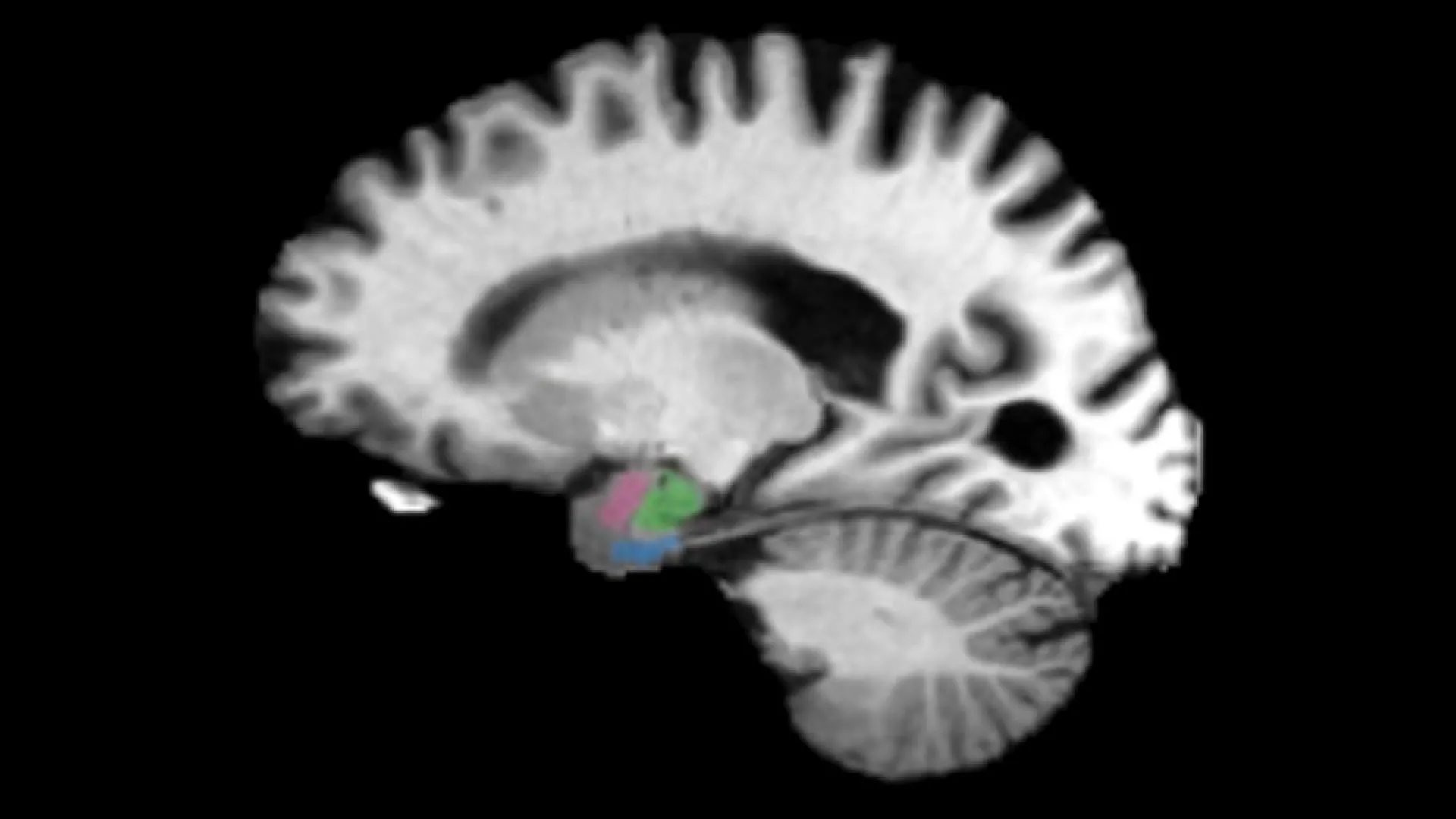
In an analysis of hundreds of brain scans, a Johns Hopkins University team found early tissue loss in the entorhinal cortex and amygdala. Both regions are near the hippocampus, which has traditionally received attention when clinicians assess Alzheimer’s-related damage.
The entorhinal cortex is involved in retrieving stored memories, while the amygdala contributes to emotional memory. Their earlier changes may offer clues that are missed when attention centers mainly on the hippocampus.
How Researchers Compared Scans
Across both groups, the entorhinal cortex and amygdala showed greater relative tissue loss in early Alzheimer’s stages than the hippocampus. The researchers also investigated links between tissue loss and tau, a protein associated with the disease.
Potential for Earlier Care
The researchers say the findings could eventually help doctors recognize Alzheimer’s years before symptoms begin. Earlier identification might allow treatment to start when it has a better chance of protecting the brain, but dependable ways to detect the disease at its earliest stages remain necessary.
Senior author Michael Miller said early changes may appear as much as a decade before clinical symptoms. He described a possible window of five to 10 years for brain changes and said earlier treatment is a promise for people at risk.
Key points
- The entorhinal cortex and amygdala showed early tissue loss before the hippocampus.
- The changes may be detectable as much as a decade before memory problems.
- Researchers analyzed MRI and PET scans from two independent research projects.
- Earlier detection could create more opportunity to treat Alzheimer’s before symptoms emerge.