

Why 32 Episodes of Netflix’s High Fantasy Series Deliver a Sword-Fighting Masterclass
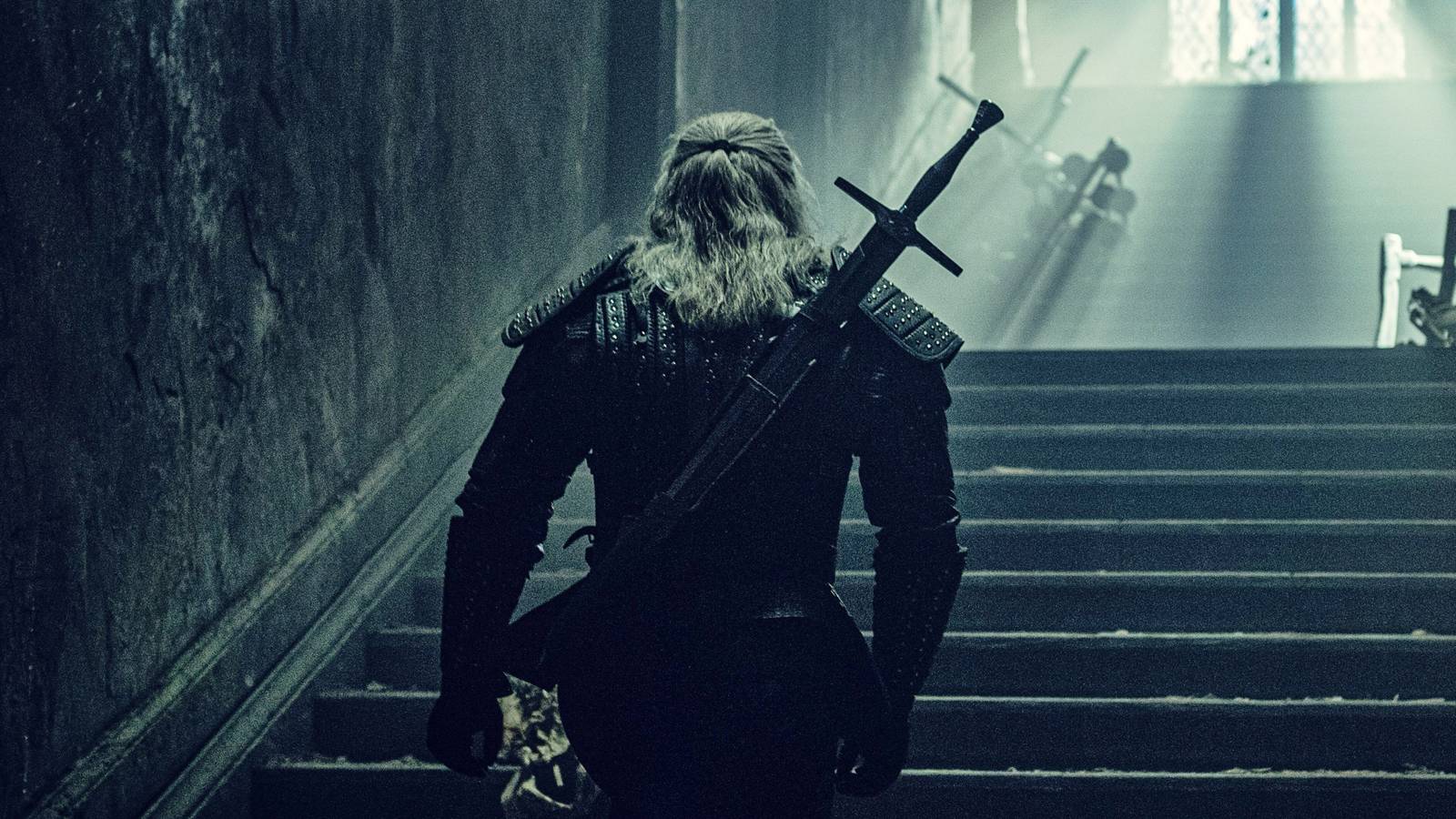
Combat shaped around Geralt
The Witcher’s fights distinguish Geralt of Rivia from ordinary human fighters. His century of mutant evolution is reflected in combat that conserves energy and redirects attacks strategically. The choreography also uses details such as Geralt changing to a reverse grip at close range. That position lets him shove or throw opponents, while spins and pirouettes are fitted into the flow of a fight.
Clear choreography on screen
The series favors real-time long takes over shaky camera effects, giving viewers a clearer sense of the action. Fights are paced to show Geralt spotting openings in opponents’ tactics and armor.
The Witcher Signs are also built into the choreography. Rather than serving only as spectacle, they help create openings for Geralt’s sword strikes.
Cavill’s work as Geralt
Henry Cavill’s performance supports the physical detail of the fights. He trained to make Geralt’s expressions, footwork, parries and Sign-casting appear fluid and controlled. Cavill drew on his knowledge of the games and books while playing the character. Though he is unlikely to return as Geralt in the Netflix series, viewers can revisit the first three seasons and his swordplay.
Key points
- The Witcher’s sword fights set Geralt apart through efficient movement and strategic redirects.
- Long takes make the choreography easier to follow than shaky camera tricks.
- Witcher Signs are woven into the fights to help Geralt land sword blows.
- Cavill trained for the role, and his Geralt appears in the first three seasons.