

California High Speed Rail Faces Contract Questions After CEO Resigns
Leadership change leaves questions
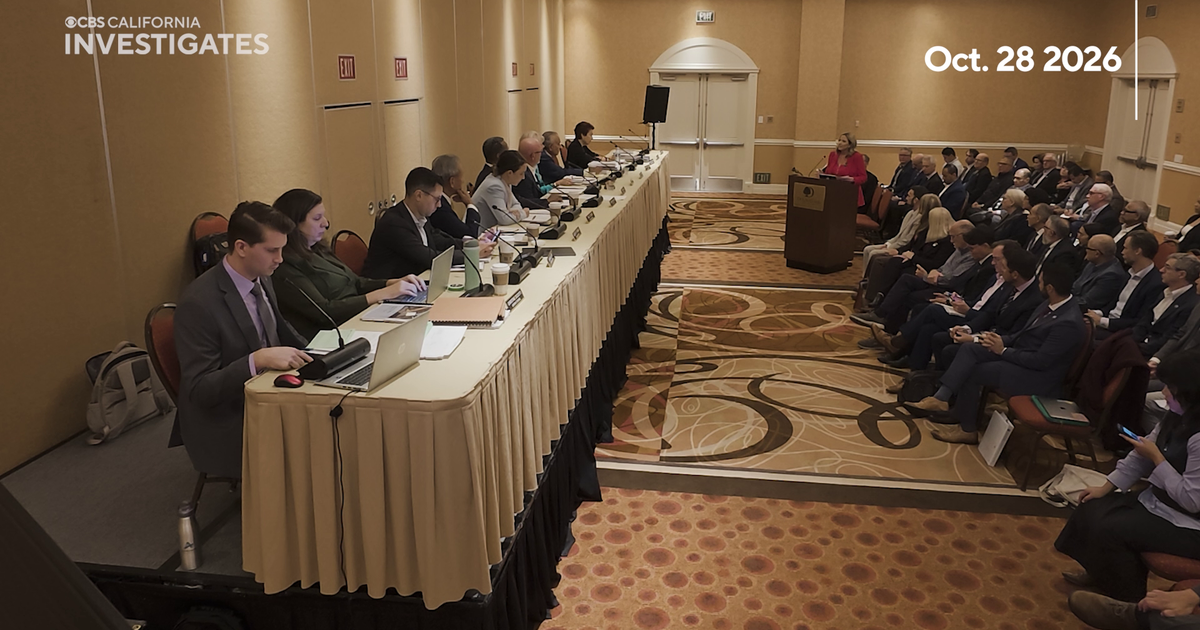
Choudri resigned hours after the Authority’s board authorized a trainset contract at its Oct. 28 meeting. The agency is now led by a new CEO, while questions remain about decisions made under the previous administration.
The change follows CBS California Investigative reports on consultant spending, contracting practices and connections between highly paid consultants and Choudri. Authority executives have proposed changes to financial consulting agreements that could reduce outside oversight.
The unresolved issues include who approved the spending, who enforced contract terms and what consequences, if any, consultants and executives may face for managing taxpayer funds. The Authority has not answered questions about several of the findings.
Train purchase followed delays
Newsom called the withdrawal a political attack. California sued, arguing it could meet the final deadline by buying trains in 2025, and told a federal judge it would meet that new milestone.
At the October board meeting, the Authority approved a contract for wide-body trains from the same manufacturer Choudri had chosen not to buy two years earlier. Asked about the 2024 delay, the agency said it had no further comment beyond public board discussions.
Consultant travel and billing scrutinized
The project’s inspector general, Ben Belnap, identified nearly $600,000 in wasteful and unallowable travel expenses, including luxury rideshares and trips to nightclubs, gyms and other destinations that appeared unrelated to consultants’ work. Whistleblowers later supplied documents and receipts after the Authority delayed public records requested by reporters.
The investigation did not publicly identify the consultants or their firms. The reporting later confirmed that two men were subjects of the travel inquiry; the Authority and the men did not respond.
A separate report examined an engineering firm’s contract, worth up to $131 million, which required six key employees to relocate to Sacramento. Taxpayers paid for one executive’s weekly Denver-to-Sacramento commute, and records show his billing rate rose 23% after Choudri became CEO. The inspector general flagged more than $76,000 in travel involving out-of-state key personnel.
Key points
- Choudri resigned hours after the board approved a trainset contract on Oct. 28.
- The federal government withdrew $4 billion after the Authority missed a trainset milestone in 2024.
- The inspector general identified nearly $600,000 in questionable travel expenses.
- Records show KPMG billed up to ten times the contracted rate for certain positions.