

A milestone in Navy SEAL tryouts: 2 women advanced farther than any in history
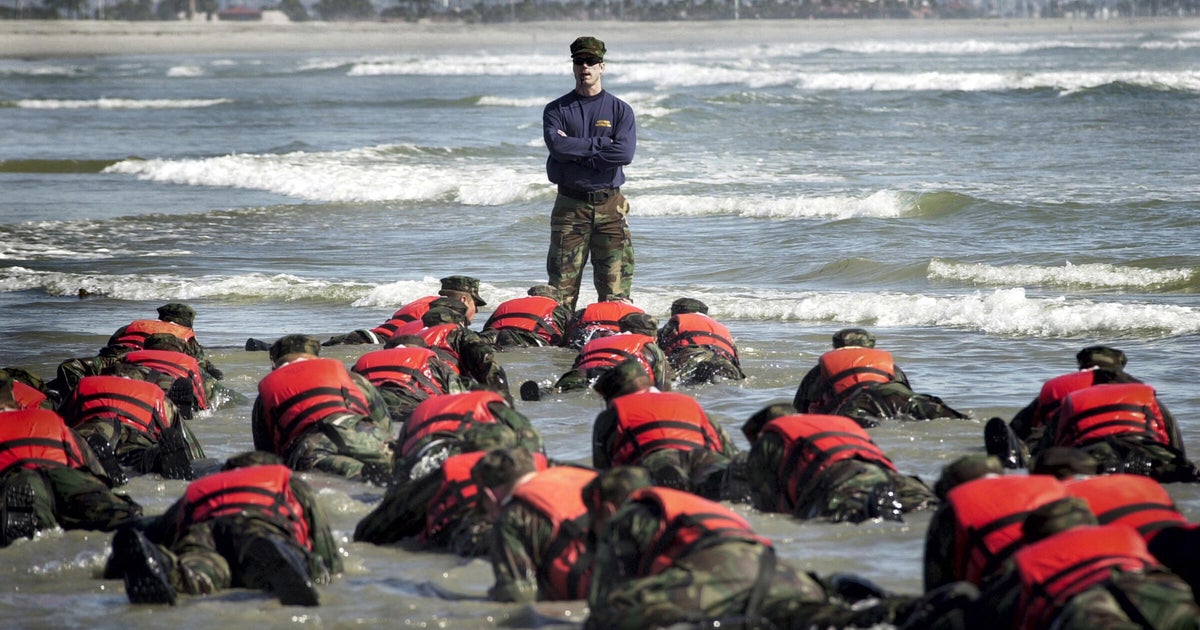
A historic point in training
The two women did not pass the SEAL course, but they went farther than any other woman who has tried since women gained access to special operations in 2016. The Navy did not provide details about their individual status or position in training. A Naval Special Warfare Command spokesperson said the command does not discuss individual selection outcomes or candidates’ progress, citing course integrity and privacy.
The challenge before Hell Week
About 45% of candidates are removed or rolled back during the first weeks before Hell Week, according to Navy data compiled from 1998 through 2023 and released under the Freedom of Information Act. Roughly 29% voluntarily withdraw during that period.
Hell Week is regarded as one of the most physically and mentally demanding parts of initial training. More candidates leave in the preceding weeks than during Hell Week itself.
Attrition later in the pipeline
The Navy’s figures show attrition falling in later phases: 5% in the second phase, which centers on combat diving, and 3% in the third, focused on land warfare. Fewer than 1% leave during the six-month SEAL Qualification Training course, the pipeline’s final stage before assignment to a SEAL team.
Special Warfare Combatant-Craft Crewmen, or SWCCs, train separately to operate armed, high-speed boats that transport SEALs and carry out other maritime missions. They are also part of Naval Special Warfare Command.
Women in special operations
In 2020, a National Guard soldier became the second woman to complete the Army’s Special Forces Qualification Course and join a Green Beret team. The first was Capt. Kathleen Wilder in 1980; fewer than 10 women had earned the Green Beret, according to a 2023 Military.com report.
Former Capt. Hailey Gibbons completed Ranger School in 2021 and served as a logistician with the 75th Ranger Regiment until leaving the military in 2023. Women attempting special operations roles have also faced criticism, including social media attacks on the two candidates from some former SEALs and military-focused accounts.
Key points
- The two women advanced farther in SEAL training than any women before them, but did not finish the course.
- About 45% of candidates are removed or rolled back before Hell Week, Navy data show.
- Women gained access to special operations in 2016, after decades of service alongside U.S. forces.
- The article says women in special operations have faced criticism, including on social media.