

Despite Trump’s threatened ICE agents at polls, there was historic turnout instead
Threats raised election concerns
Before Tuesday’s elections, the administration would not dismiss the possibility of immigration agents appearing at polling places or President Donald Trump declaring a national emergency to take control of elections from states. Trump and senior officials did not publicly reject those possibilities.
The Justice Department sought to dismiss the lawsuits. In one case, it described election officials’ preparations for the possibility of agents at polling places as a “voluntary, self-directed operational change,” calling the concerns speculative.
Organizers prepared for Election Day
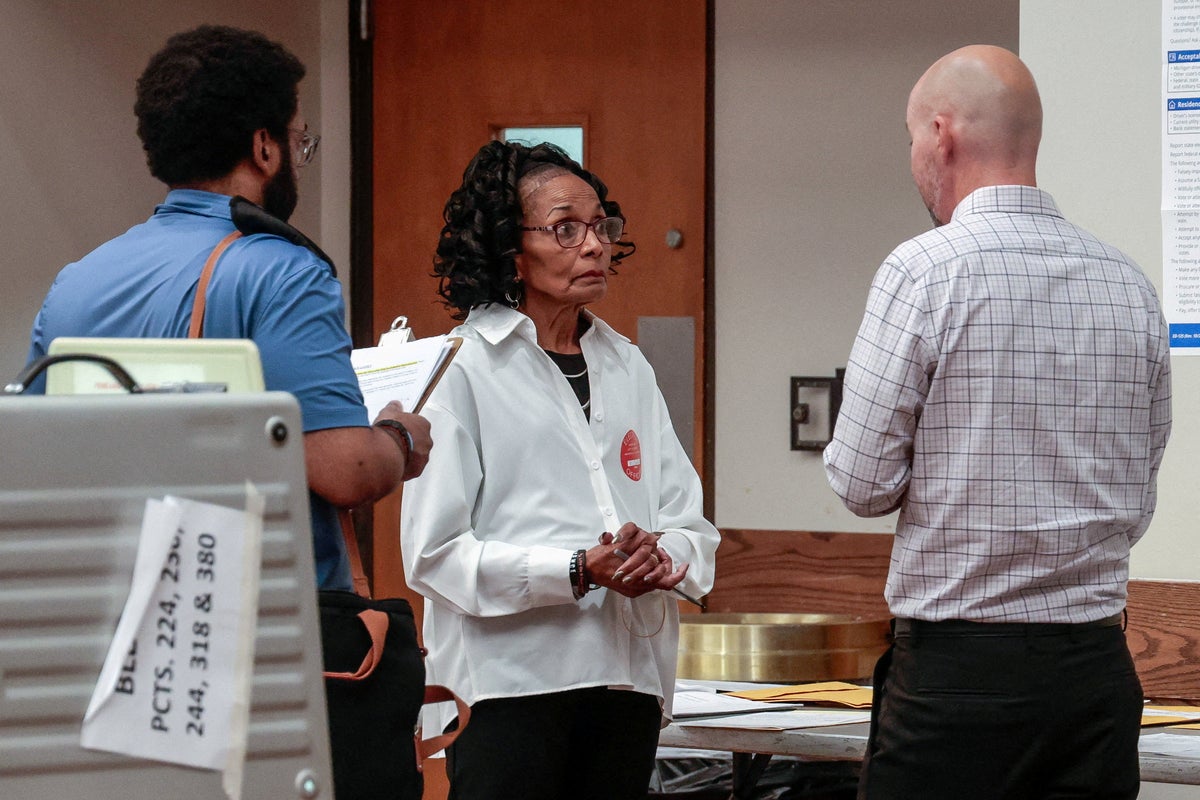
Election officials, voting rights groups and civic organizations arranged monitoring and other preparations. California Gov. Gavin Newsom said his state sent election monitors to observe federal monitors. The Vote Safe program, run by the Save America Movement with the National Action Network and the American Federation of Teachers among others, sent observers to several battleground states.
Save America Movement co-founder Mary Corcoran said the possibility of federal agents created fear even if none appeared. Election law expert Rick Hasen of UCLA School of Law said thousands of lawyers, election administrators and civil society groups had worked to counter a serious risk of interference.
Election system showed resilience
There were some routine challenges on election night, but Michael McNulty, senior policy director at Issue One, said the midterms had so far shown the election system’s resilience. He said the key tests were whether votes were counted, results certified and rules upheld.
Pamela Smith, president of Verified Voting, said the relatively smooth administration reflected the strength of safeguards and extensive planning. By Tuesday night, Trump had acknowledged his party’s defeat without incident.
Voter investigations expected to continue
The administration’s efforts extend beyond polling-place concerns. It has launched a government-wide effort to examine voter data and investigate alleged noncitizen voting, which is expected to continue after the midterms. Trump said, “After this election we’ll be gathering all the data.” He added that officials would collect voting logs and review them to check whether noncitizens had voted.
Key points
- Trump acknowledged his party’s defeat by Tuesday night, without incident.
- Election officials and civic groups prepared for possible federal involvement at polling places.
- Election observers reported routine challenges, while experts described the process as resilient.
- The administration’s voter-data investigations are expected to continue after the midterms.