

Facel Vega’s Engine Failures and More: 7 Luxury Vehicles Throughout History Used 4-Cylinder Engines | Jalopnik
A powerful early Fiat
In 1905, Fiat introduced its 60 HP model as a rival to comparable Mercedes cars. Its 647-cubic-inch inline-four drove through a four-speed manual transmission, and the car could serve on roads or as a racer.
The model carried removable wings and advanced cooling systems. It cost $13,500 when new, and its sole surviving example has a coachbuilt touring body priced at $4,000. That body used aluminum panels, silver solder and brass mouldings. Leather seats and mohair floor mats added comfort at a time when simply owning a car was considered a major luxury.
The Facellia’s costly engine trouble
Facel Vega’s entry-level Facellia offered leather seating, numerous gauges and a woodgrain-effect dashboard. Its styling also echoed the larger HK500, making it a polished alternative to Mercedes’ SL series or an Alfa Romeo of the period.
Unlike the HK500, the Facellia used a 115-horsepower, 1.6-liter French inline-four. Overheating, fragile internal parts and troublesome chromed cylinder liners led many cars to suffer engine failure within six months.
Facel Vega replaced engines at no charge, but replacement units also had problems. The company eventually fitted a Volvo engine, yet its reputation had already suffered, and the Facellia became a major challenge for the automaker.
Rover fills a market gap
Rover’s P6 replaced the aging P4 in 1963, with production lasting until 1977. The model helped address a gap in the UK market between commuter cars generally at or below 1.5 liters and large luxury cars with 3.0-liter engines or more.
The P6 used a 2.0-liter inline-four. Its run of more than a decade indicates it was a popular choice, offering a more conventional approach than the earlier cars described.
Luxury spans more eras
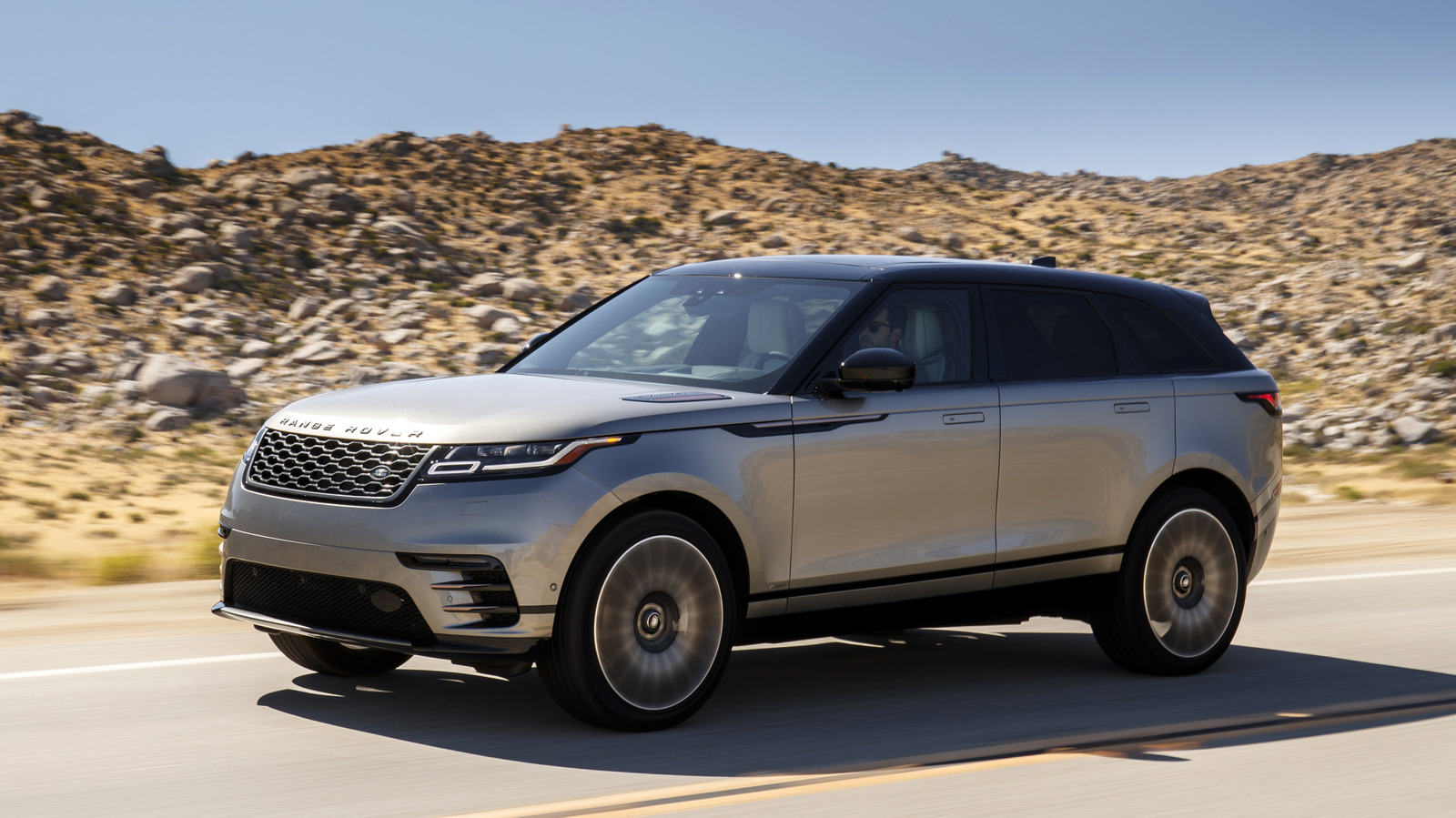
The broader lineup also includes hybrid BMW 5 Series sedans and Range Rover SUVs, alongside early-20th-century Fiat models and British executive sedans from the late 1960s and early 1970s. The examples suggest that buyers did not always insist on larger engines in luxury cars. Most of the vehicles were regarded as successful, with the Facellia identified as a notable exception.
Key points
- Fiat’s 1905 60 HP paired a 647-cubic-inch inline-four with a four-speed manual transmission.
- The Facel Vega Facellia’s 1.6-liter engine was prone to failures, prompting free replacements.
- Rover’s P6 used a 2.0-liter inline-four and remained in production from 1963 to 1977.
- The examples include hybrid BMW 5 Series sedans and Range Rover SUVs.