

Now on Streaming, Andromeda Is the Spiritual Successor to Star Trek Waiting to Be Discovered 26 Years Later
From archives to television
After Star Trek: The Original Series ended on June 3, 1969, creator Gene Roddenberry pursued other projects, including The Questor Tapes. The 1970s television movie was intended as a pilot for a new series, but Roddenberry did not regain comparable success outside Star Trek during his lifetime.
After his death, his widow, Majel Barrett, found plans for Earth: Final Conflict and Andromeda in his archives and approved their development. Earth: Final Conflict debuted in 1997; its success helped pave the way for Andromeda, which premiered in 2000.
A familiar kind of government
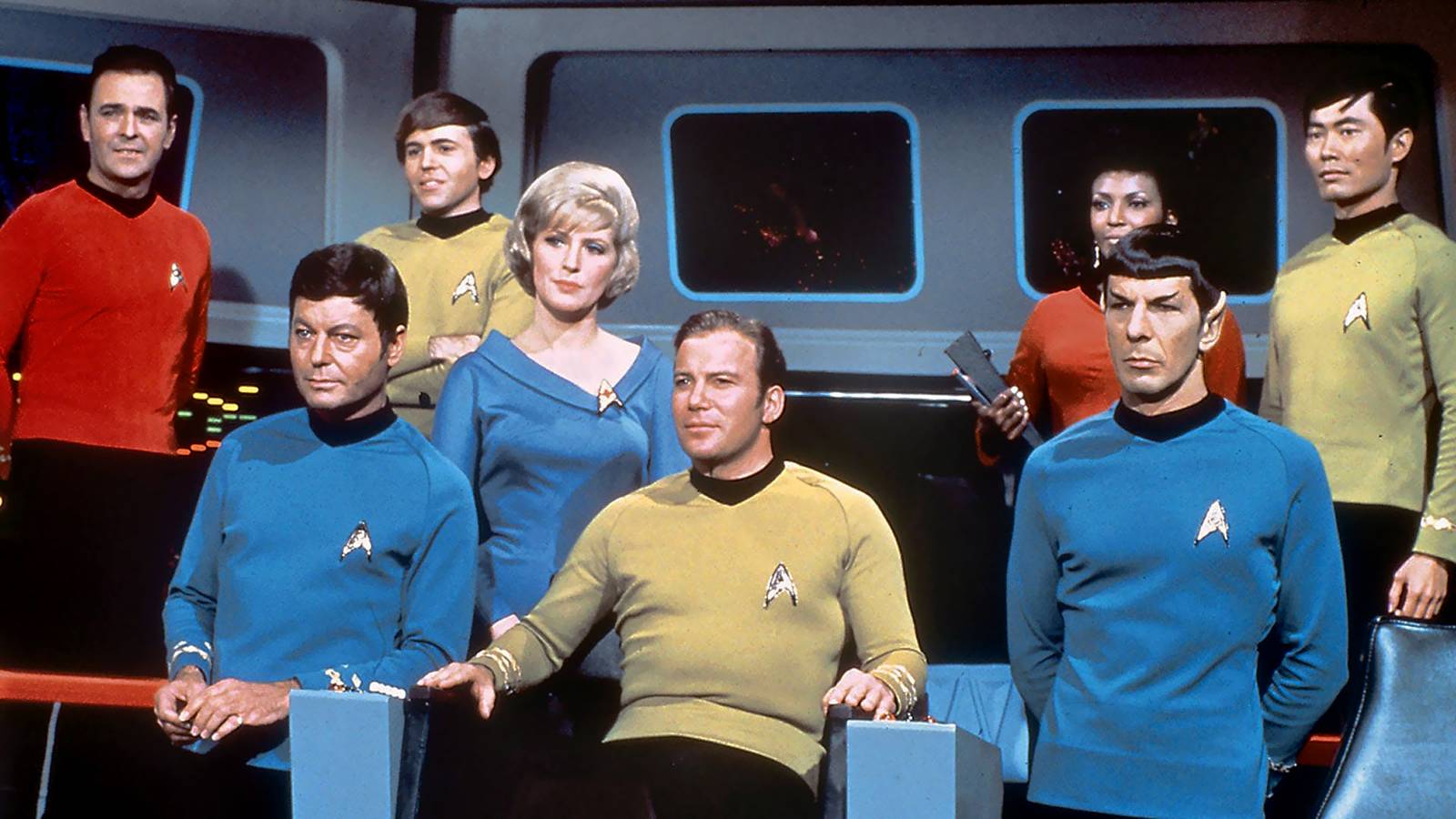
Kevin Sorbo, known for Hercules: The Legendary Journeys, starred as Captain Dylan Hunt. His character serves an intergalactic government called the Systems Commonwealth. The Commonwealth is a constitutional monarchy set thousands of years in the future, with its capital in Tarn-Vedra. Its representatives come from three galaxies: the Milky Way, Triangulum and Andromeda. The broad idea of a union representing different worlds recalls Star Trek’s Federation, a concept Roddenberry returned to across proposed projects.
A conflict across galaxies
In the pilot, “Under the Night,” the Commonwealth is at war with the Magog, a parasitic species with a humanoid appearance. During peace talks, the government reluctantly gives them access to a key planet to keep them from spreading through the galaxies under its control.
That planet belongs to the Nietzscheans, who follow the writings of Friedrich Nietzsche. Angered by the decision, they secretly try to undermine the Commonwealth and take power.
Key points
- Andromeda premiered in 2000, three years after Earth: Final Conflict began.
- Kevin Sorbo plays Captain Dylan Hunt, a leader within the Systems Commonwealth.
- The Commonwealth brings representatives from the Milky Way, Triangulum and Andromeda.
- A dispute over a planet puts the Commonwealth, Magog and Nietzscheans in conflict.