

Why Many Borrowers Stay Stuck Making Minimum Payments on Debts
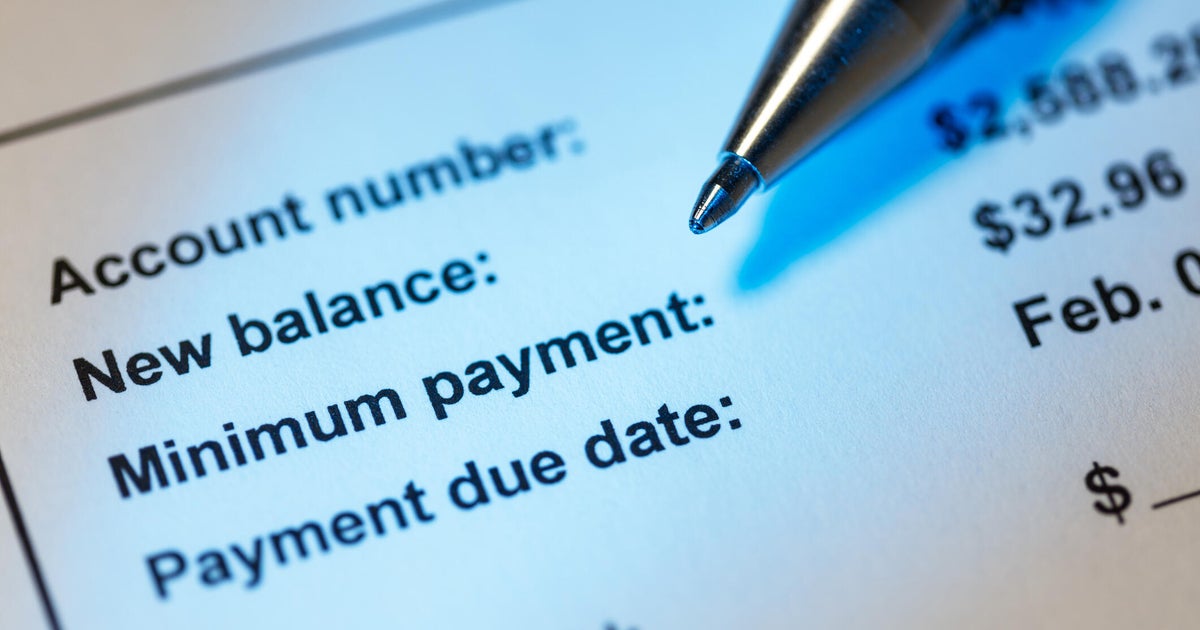
Interest slows repayment progress
With a high-rate credit card balance, much of a minimum payment can go toward interest rather than reducing the amount owed. As a result, borrowers may pay for months—and spend thousands of dollars over time—without making much progress on the principal.
The study found that 41% of respondents cut restaurant meals or food delivery, and 40% stopped nonessential online shopping. Another 35% switched to generic groceries and household products, suggesting some borrowers have already trimmed flexible expenses without freeing enough cash to speed up repayment.
Several accounts strain budgets
Together, those bills may take hundreds or thousands of dollars each month before borrowers can pay extra toward any one balance. That can leave little room in the budget beyond required minimums.
Unexpected costs disrupt plans
Borrowers who sometimes pay more than the minimum may find it hard to keep doing so. A medical bill, car repair or temporary income drop can redirect money intended for debt repayment.
Without emergency savings, someone may need to borrow again to cover an unexpected expense. That can lead to balances rising again after borrowers have worked to pay them down.
Ways to change repayment plans
Borrowers can contact card issuers to ask about a lower annual percentage rate or hardship assistance. Some creditors may offer temporary rate reductions or structured repayment arrangements. A balance transfer card with a 0% introductory APR or a lower-rate consolidation loan may also be options; compare fees, deadlines and total costs before deciding.
If there is money available beyond combined minimums, borrowers can focus it on one account while continuing required payments on others. The debt avalanche method targets the highest-rate balance, while the debt snowball method starts with the smallest balance. Credit counseling agencies or reputable debt relief companies may help people who cannot pay more than the minimums; the article advises carefully reviewing those strategies.
Key points
- High interest can absorb much of each minimum payment, slowing progress on principal.
- Many study respondents had cut flexible spending but still faced multiple debts.
- Unexpected bills or reduced income can interrupt repayment and lead to new borrowing.
- Lower-rate options, focused repayment methods and professional help may offer alternatives.