Trump-era removals at Acadia erase Wabanaki history and climate warnings
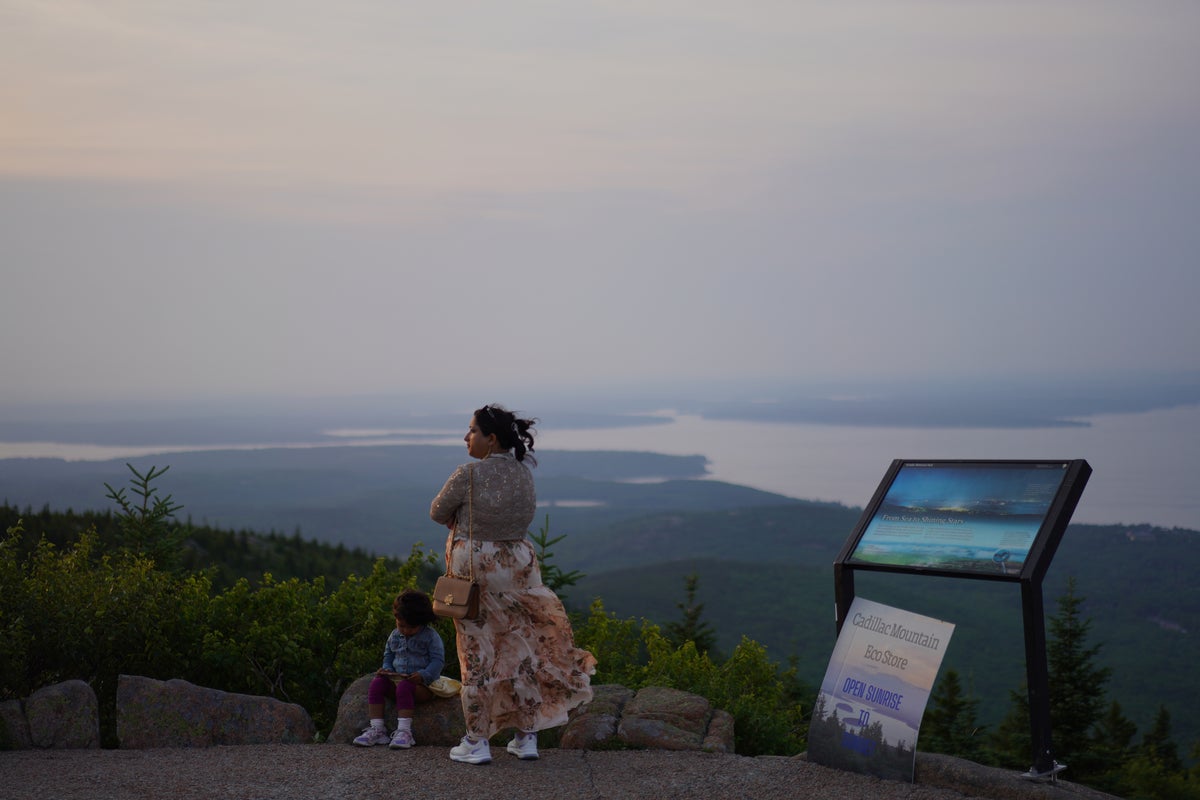
Markers removed from Cadillac Mountain
A summit sign at Cadillac Mountain explained how magma formed the ground beneath visitors. It was among 30 Acadia markers removed under a Trump administration campaign, according to the National Parks Conservation Association.
The removals followed orders from Interior Secretary Doug Burgum. Some signs had been developed over years with groups including Friends of Acadia, the Schoodic Institute and the Native Plant Trust, with input from Wabanaki citizens.
Wabanaki ties to Acadia
Wabanaki people know Cadillac Mountain as Wapuwoc, meaning “white mountain of the first light.” From October through March, it is the first place in the continental United States to see sunrise. Maulian Bryant, executive director of the Wabanaki Alliance, said removing signs featuring the Wabanaki language could undermine progress in making parks educational and inclusive.
Climate information also removed
Other signs at Cadillac Mountain addressed climate change. They told visitors Acadia’s future would be warmer and wetter and that average annual precipitation had risen six inches over the last century.
Legal challenge and park partnerships
Angelo Villagomez of the Center for American Progress said some materials had been restored and then removed again. A team examining a leaked database found that one-third of national parks had flagged exhibits about history or science, with Black and Indigenous history most targeted.
The Interior Department did not answer questions about the removals’ current status or the lawsuit. Jenny McBurney, a University of Minnesota government publications librarian and co-founder of Save Our Signs, urged visitors to document changes to park signs.
Wabanaki voices continue
Penobscot Nation citizen Jennifer Neptune had mixed feelings about what she viewed as an attempt to erase her people from Acadia and their ancestral homeland. Over the past decade, she had seen change at the National Park Service and helped bring Wabanaki voices into the creation of Indigenous-designed spaces.
Key points
- Thirty markers were removed from Acadia, including signs about Wabanaki history and climate change.
- The Wabanaki Confederacy has inhabited the northern seaboard for more than 10,000 years.
- A coalition sued in February to restore Acadia signs and hundreds of other park materials.
- A database review found flagged history or science exhibits in one-third of national parks.