Johnny Depp’s ‘Mummy’ Replacement, The Lone Ranger, Is Ready to Be Rediscovered on Streaming
A costly Western revival
Disney’s The Lone Ranger reunited Pirates of the Caribbean director Gore Verbinski with Johnny Depp, but audiences did not embrace its Old West adventure. Its box-office performance was worse than John Carter’s the previous year, according to the article.
The film became Verbinski’s last project with a tremendous budget. Despite its commercial failure, the story describes it as a standout in his filmography and praises its action, effects and design.
A familiar hero returns
The Lone Ranger began on radio in 1933, then moved to television in 1949. Its masked Texas Ranger, formerly John Reid, represented justice and a commitment to non-lethal methods.
Verbinski follows the character’s origins, while composer Hans Zimmer works the series’ William Tell Overture theme into the score. The film also frames the story through an older Tonto, played by Depp, recalling his adventures to a young boy.
A darker take on Tonto’s world
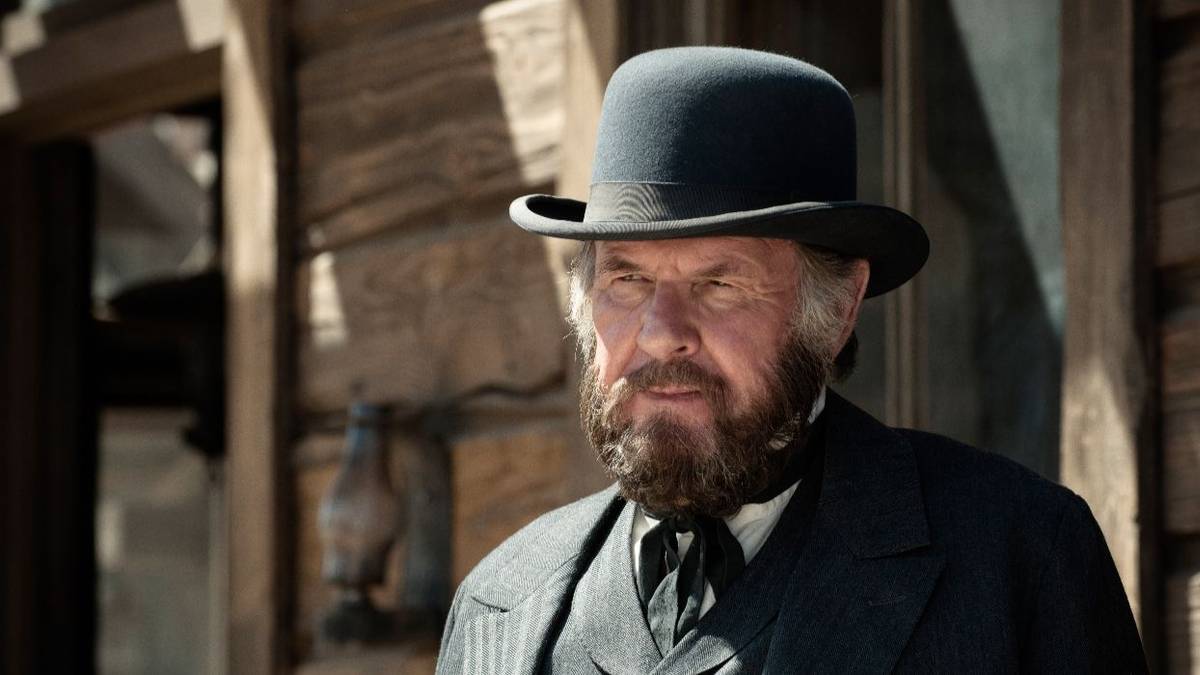
William Fichtner plays antagonist Butch Cavendish, reimagined as a heart-devouring wendigo. The film’s brutality prompted Business Insider to warn parents about taking children to see it. The story also gives Tonto a central role, describing the character’s use as organic and largely inoffensive. That approach sits alongside the film’s darker tone and unusual mix of action and comedy.
A practical-effects train chase
The extended climax brings together two trains, horses, dynamite and stunts in a complex chase. The article compares its choreography to Buster Keaton and George Miller’s Mad Max films.
Verbinski’s team and Industrial Light & Magic worked to a self-imposed 50 percent rule, aiming to make at least half the effects in a shot in-camera. Real train cars were taken to New Mexico, where a large tent supported the remaining digital work.
Key points
- The Lone Ranger reunited Gore Verbinski and Johnny Depp but became a box-office failure.
- The film adapts the hero’s origins and incorporates the original theme into Hans Zimmer’s score.
- Its climax features a two-train chase built with practical effects and digital work.
- The film’s violence and 150-minute runtime distinguish its adventure style.