How seabird numbers bounce back across the Solent region after 2022 avian flu wipeout
Breeding numbers rise
Black-headed gull fledglings rose from 51 in 2025 to 504 in 2026. Little tern numbers also increased, from 21 the previous year to 34.
Recovery after bird flu
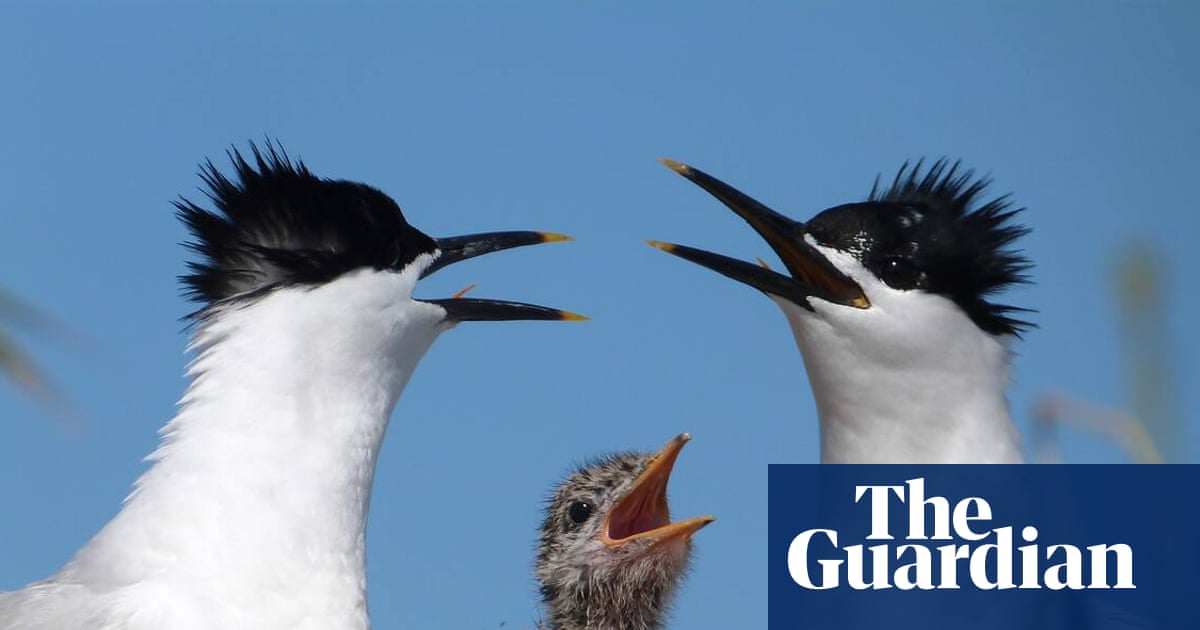
In 2022, HPAI, also known as bird flu, severely affected sandwich terns, black-headed gulls and Mediterranean gulls at Pagham Harbour. The breeding colony was abandoned. Wez Smith, an RSPB senior project manager, said the site began to recover last year after several years of conservation work. He said it now has record-breaking populations using it.
Protection across the coast
Rangers and volunteers patrol to alert visitors and local residents to the risk of disturbing ground-nesting birds. Dog-friendly exercise areas have been set aside away from nesting sites.
A broader restoration effort
The conservation work is part of the Solent Seascape project, a long-term partnership led by the Blue Marine Foundation. Charities and institutions are working together through the project. Its aims include restoring coastal nesting sites, seagrass beds, oyster reefs and saltmarsh along the coast.
Key points
- Black-headed gull fledglings rose from 51 in 2025 to 504 in 2026.
- The 2022 bird flu outbreak led to the abandonment of a breeding colony at Pagham Harbour.
- The Solent Seascape project works to restore coastal habitats.