Friars at the Basilica of Saint Francis turn to AI, lasers and gigapixel cameras to repair 13th century church
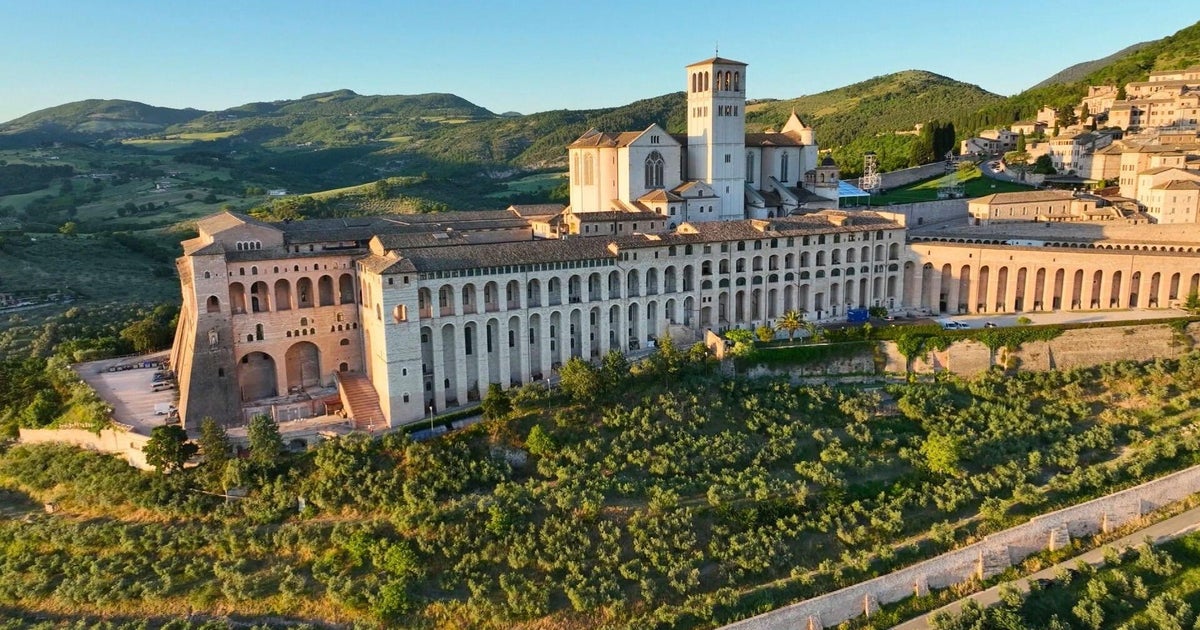
The basilica in the hills of Umbria in central Italy holds the remains of St. Francis, who gave up family wealth to live in poverty. Its walls were decorated by medieval painters including Cimabue, Pietro Lorenzetti, Simone Martini and Giotto with scenes from his life. Falling debris during the quakes killed four people, while Fusetti was hospitalized after being hurt in the second tremor.
Fusetti described lasting fear from the disaster. "I am always terrified," he said, recalling the shock across Italy and his reaction to any sense of shaking.
The friars are working with Haltadefinizione, a firm focused on ultra-high-definition photography. Chief Technology Officer Giovanni Borelli is overseeing creation of a digital replica using specialized cameras, drones and lasers to collect hundreds of thousands of images. The images will be combined into what is described as the most detailed 3D plan of a building yet produced, offering a precise guide for rebuilding if another earthquake strikes.
The digital replica is expected to be finished next year and made available to the public. Borelli said automated analysis can spot paint cracks, color changes and lifting layers in minutes, work that would take a person years to complete by eye across the whole complex. He said the same approach documented a Roman emperor's thermal bath with tall rooms, mosaics and forgotten chambers, and hopes the basilica project will broaden access to the art.
Key points
- Over 80,000 fragments remain unplaced nearly 30 years after quakes.
- Digital twin uses drones, lasers and hundreds of thousands of photos.
- Replica due next year and open to public.