

Marine Life Helps Store Ocean Carbon, but Without It Atmospheric CO2 Could Surge 65%
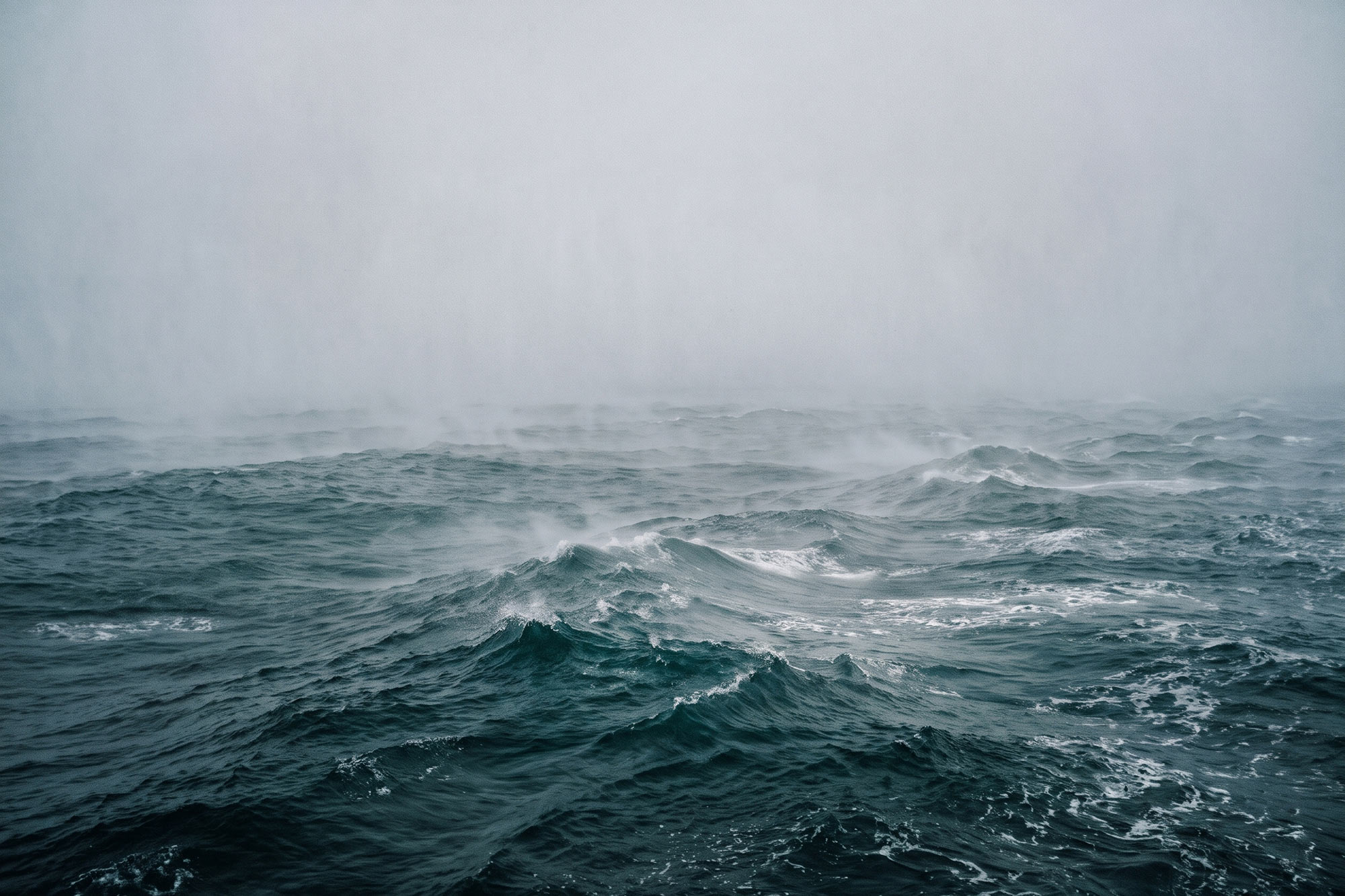
How the ocean stores carbon
The ocean takes in carbon dioxide through physical and chemical activity at its surface. It has absorbed approximately 27% of human-caused emissions since 1850. Marine organisms help keep some carbon from returning to the atmosphere. Plankton and food webs carry carbon from surface waters into deeper parts of the ocean through the biological carbon pump.
Conservation and carbon uptake
The research brief says preserving marine biodiversity does not automatically make the ocean absorb more human-generated CO2. The ocean’s uptake of those emissions is driven mainly by physical and chemical processes.
Conservation remains important for healthy ecosystems and for retaining carbon already held in blue carbon habitats. The brief distinguishes those benefits from increasing the ocean’s absorption of human emissions.
Standards for carbon removal
The researchers urge caution about marine carbon dioxide removal proposals, including ocean alkalinity enhancement and ocean fertilization. The alkalinity approach uses minerals to help seawater absorb CO2. They say a project must show a net increase in carbon storage that lasts more than 100 years, remains isolated from the atmosphere, and will not return to the surface. Not every form of carbon sequestration, they warn, offers a genuine climate benefit.
Fishing and food webs
Researchers say more study is needed to understand that relationship. The brief was developed through the European OceanICU project for climate negotiators and policymakers; Patrizia Ziveri of ICTA-UAB contributed after an international workshop earlier this year.
Key points
- The ocean has absorbed approximately 27% of human-caused emissions since 1850.
- Marine food webs move carbon from surface waters into the ocean interior.
- Protecting biodiversity does not automatically increase ocean uptake of human-generated CO2.
- Proposed carbon removal must demonstrate storage lasting more than 100 years.