

Snow and ice can hide LED traffic lights in winter, a problem incandescent bulbs never had, Jalopnik reports
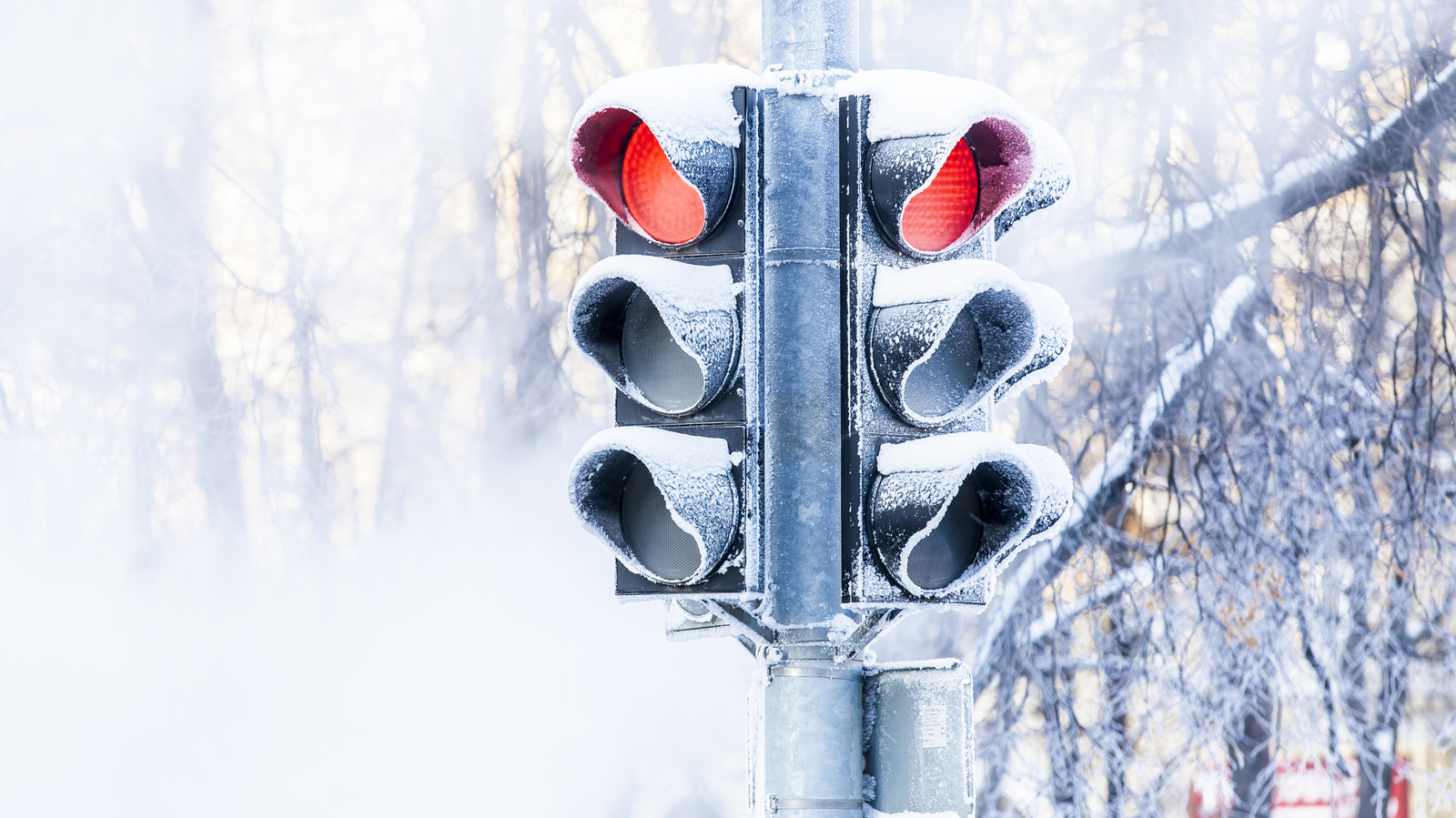
Efficiency brings a winter drawback
LEDs create light as electric current passes through semiconductor material, converting most of their electricity into visible light. Incandescent bulbs instead heat a metal filament, and only about 5% to 10% of their electricity becomes visible light.
That waste heat can help melt snow on a traffic signal. LEDs are around 90% more efficient and can last 10 times longer, advantages that helped prompt governments and municipalities to adopt them. The Energy Policy Act of 2005 also set minimum efficiency targets for traffic and pedestrian signals.
Snow can hide signals
The risk depends on weather conditions. High humidity, temperatures near freezing and winds above 10 mph are among the factors that can contribute to signals becoming obscured.
Communities use different fixes
Suppliers have developed options including Calienté heated hoods activated by temperature and humidity, and Fortran polycarbonate lens covers. Local governments have also used chemical deicer before storms or cleared precipitation with telescoping brushes.
A snow-prone state such as Utah may find it worthwhile to add heating elements, while Arkansas may not. With local weather and costs differing, there is no single approach used everywhere.
Key points
- LED signals use less electricity and last longer, but produce too little heat to melt snow and ice.
- Possible responses include heated hoods, lens covers, deicer and manual clearing.
- Local weather conditions shape whether communities invest in measures such as signal heating.