

India calls on US to iron out tariff concerns through early conclusion of trade talks
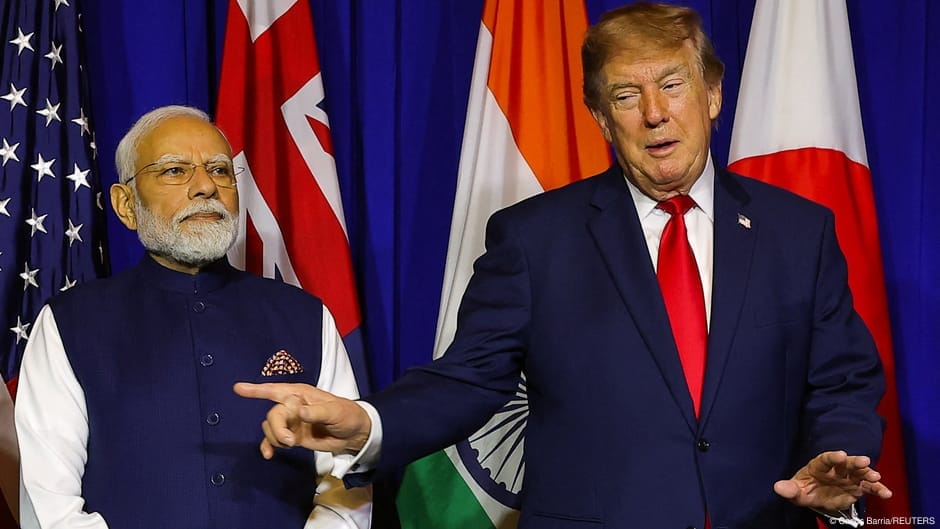
India urges talks to resolve concerns
India’s Ministry of Commerce and Industry said trade-related concerns should be handled within the negotiations for a Bilateral Trade Agreement with the United States. It also said India remained committed to working with Washington toward an early conclusion of the deal.
The statement followed Washington’s announcement of proposed tariffs affecting 14 trading partners, including India. The US cited alleged excess industrial capacity and unfair trade practices. India said it had engaged constructively during the US investigation and rejected the claim that it had structural excess capacity in any sector.
Proposed duties and trade terms
The Office of the US Trade Representative proposed import duties ranging from 20% to 40% after a months-long investigation involving 16 trading partners. The proposed measures will be open to public comment before they take effect.
The USTR said the tariff rate on Indian imports would be reduced to 17% if New Delhi and Washington conclude a trade deal. Earlier, the US had proposed a 25% rate on goods from India, also subject to a reduction if an agreement is reached.
Negotiations have faced delays
The countries released a framework for an interim agreement in February. Under it, India would eliminate or reduce tariffs on US industrial products and a range of American food and agricultural goods.
Talks on a final agreement stalled again after the US Supreme Court invalidated much of Trump’s global tariffs. In October, Finance Minister Nirmala Sitharaman said negotiations had reached a plateau, while Secretary of State Marco Rubio later described the sides as very close to an agreement.
Key points
- India wants trade concerns addressed within ongoing negotiations with the United States.
- Washington proposed tariffs of 20% to 40% on goods from 14 trading partners.
- The US says India’s rate would be 17% if a trade deal is reached.
- India denies having structural excess capacity in any sector.