

Technical issues leave half of NASA's aging Mars fleet knocked offline from science work
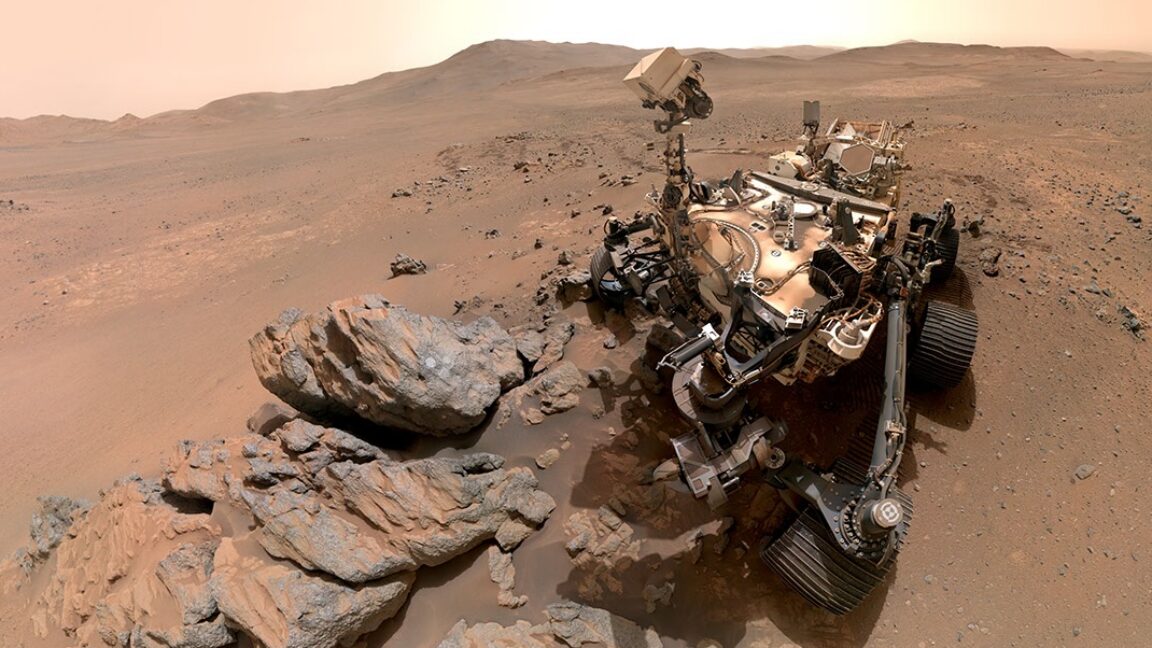
Perseverance loses radio capacity
Perseverance’s primary UHF radio did not respond during startup on October 30. The rover switched automatically to its backup and entered safe mode. NASA’s Jet Propulsion Laboratory later found the backup radio was transmitting at roughly half its expected power.
NASA has stopped using both UHF radios while teams assess the causes and whether either can safely return to service. The rover is sending signals directly to Earth through its X-band system, but that link has a significantly lower data rate than communications relayed by orbiters.
Managers paused science operations as a precaution. NASA said the initial effort is to restore the backup UHF radio before addressing the primary one, and the team hopes Perseverance can resume science by the end of November.
A rover with years of work
Perseverance is in its sixth year on Mars, collecting rock and soil samples for possible return to Earth. It is studying the rim of a crater that once held an ancient lake of liquid water.
Last month, the rover exceeded the 28.06-mile (45.16-kilometer) distance record set by NASA’s Opportunity, which stopped working in 2018. Perseverance has now traveled twice its original distance goal.
Odyssey faces fuel pressure
Odyssey lost one of its four reaction wheels in early November. Another failed in 2013, leaving the orbiter with two functioning wheels, although it needs at least three to maintain its orientation.
With the current wheel problem, engineers estimate Odyssey has enough hydrazine for one to two months. Ground teams have had some initial success troubleshooting the wheel, but further tests are needed to learn whether it can be recovered.
Key points
- Perseverance and Odyssey have both suspended science operations after separate technical problems.
- Perseverance is relying on a lower-rate direct-to-Earth radio connection.
- Odyssey may have one to two months of hydrazine without three working reaction wheels.
- Teams have made initial progress troubleshooting Odyssey’s failed wheel, but more testing is needed.