

Gulf official offers glimmer of hope for Trump-Iran nuclear talks as threat hangs over region
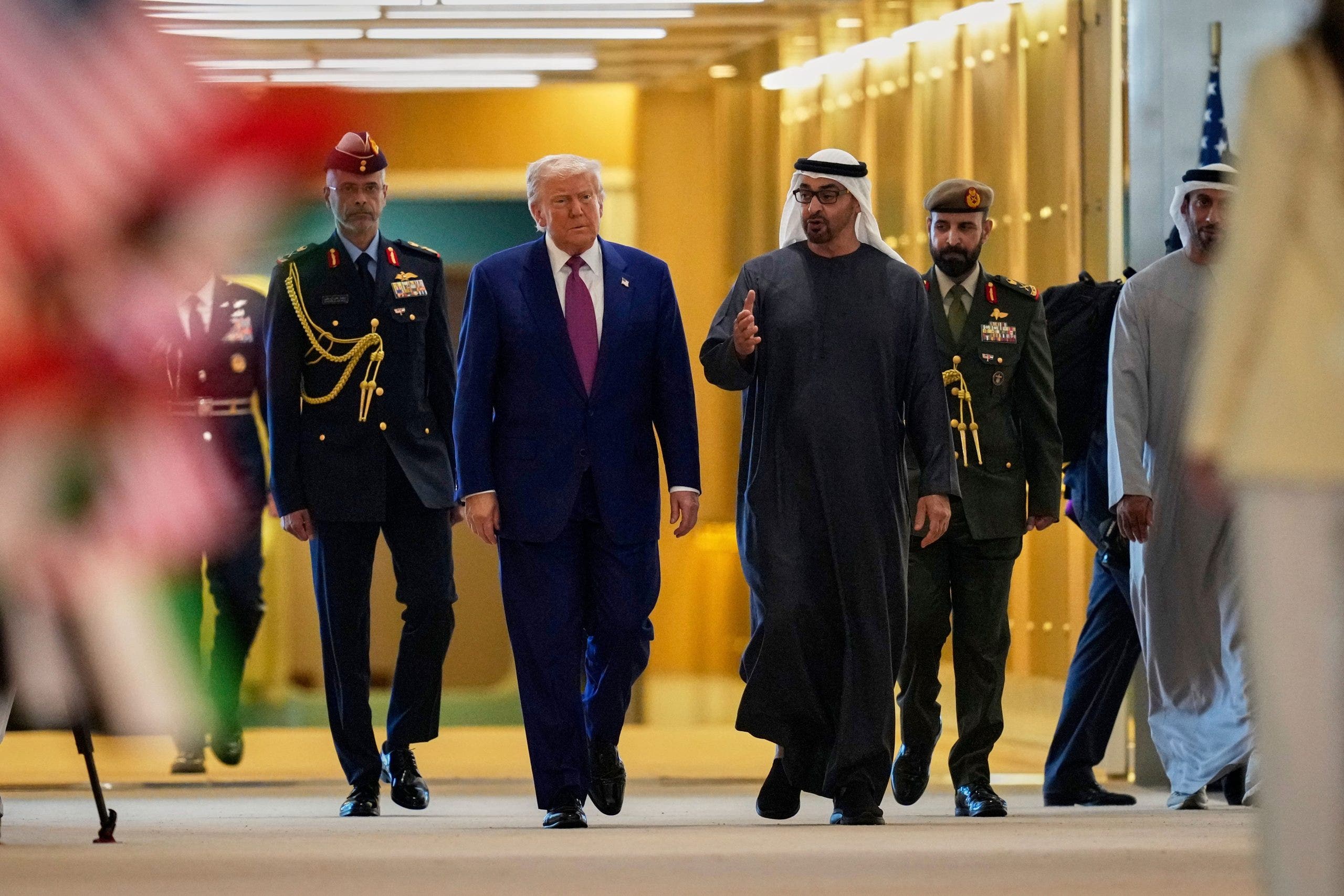
Cautious hope for negotiations
Dr. Ali Rashid Al Nuaimi, who chairs the UAE Federal National Council’s Defense, Interior and Foreign Affairs Committee, said recent progress through Qatari mediation gives him some optimism about U.S.-Iran talks. He said diplomacy could help the sides build trust and avoid war, while stressing that another outcome cannot be ruled out.
Preparing while life continues
Al Nuaimi said the UAE hopes for the best but prepares for the worst. He said the country is ready to address challenges and threats, while maintaining that it is committed to peace and will defend its people and sovereignty if attacked.
Despite the uncertainty, daily life in Dubai appeared normal, with busy restaurants, tourists and crowds at a fountain show. In Abu Dhabi, international delegates attended the opening of ADIPEC 2026, even as continuing tensions and disruption to the Strait of Hormuz shaped concerns about energy security.
Partnership and resilience
Al Nuaimi said the UAE views its relationship with the United States as a long-term partnership with the country and its people, not one tied to a particular administration. He said cooperation spans education, medicine, technology, energy and investment.
At ADIPEC’s opening ceremony on Nov. 2, UAE Minister of Industry and Advanced Technology Dr. Sultan Al Jaber said the country had prepared its resilience plans years before the current disruption. Emirati research center B’huth director general Mohammed Baharoon separately argued that the confrontation with Iran has broadened the meaning of national security.
Key points
- Al Nuaimi sees some progress in U.S.-Iran talks through Qatari mediation, but says conflict remains possible.
- Iran submitted a new nuclear proposal through Qatar, while maintaining conditions for negotiations.
- The UAE has faced more than 3,000 Iranian missile and drone attacks and remains on alert.
- Emirati officials say the country is maintaining economic activity while preparing for regional escalation.