

Israel’s Arab Parties in Spotlight After Inconclusive Election Leaves Power Unsettled
Turnout reshapes the election
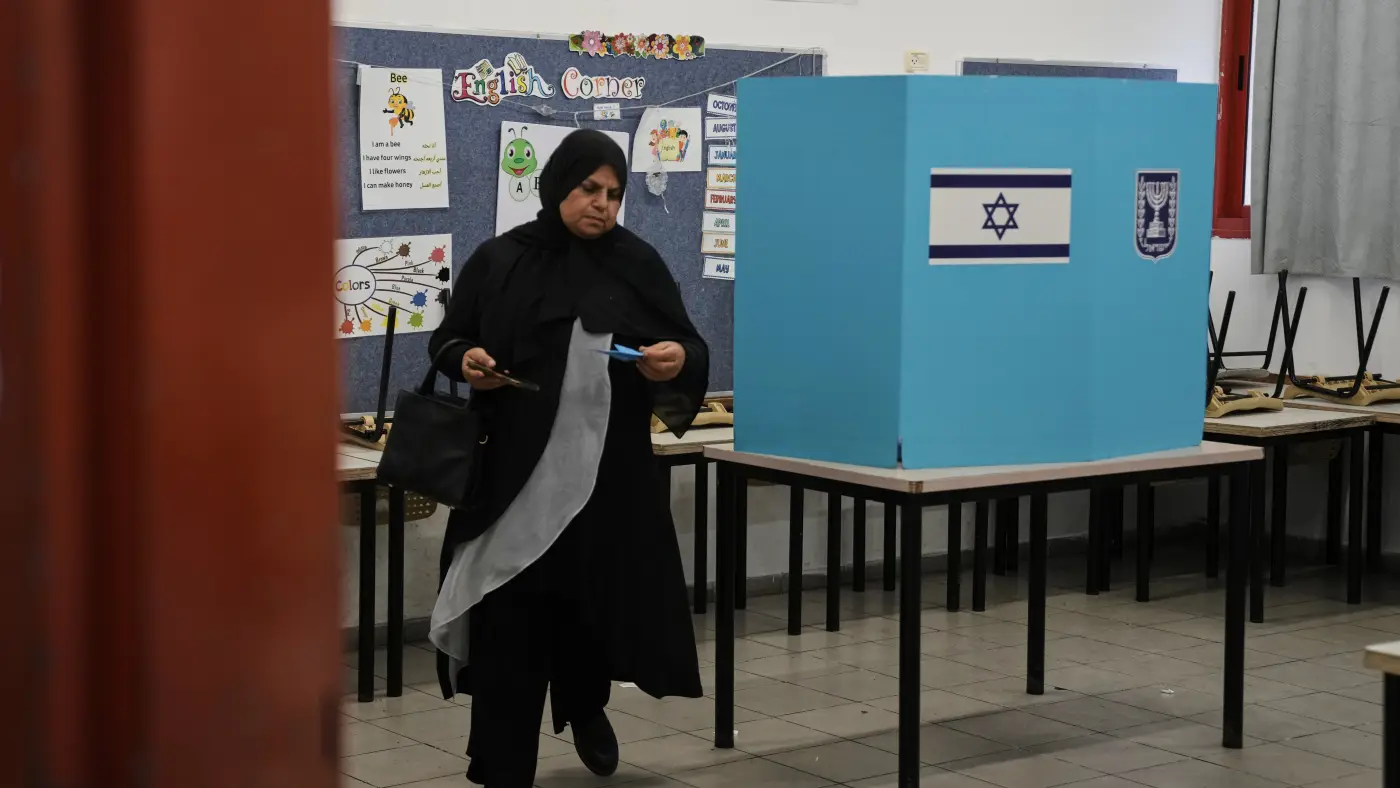
Many Palestinian citizens of Israel had avoided elections in recent years, saying participation offered little while their communities faced marginalization. Last month, turnout rose to a record level, helping strip Netanyahu’s far-right government of its majority.
Arab-led parties won 19 of the 120 seats, while neither Netanyahu’s coalition nor Gadi Eisenkot’s center-right opposition secured the 61 needed to govern. Their votes could therefore prove important in talks over the next government. Jamal Zahalka, chairman of the High Follow-Up Committee, called the outcome “a historical achievement” and said the community had found its strength.
Rights concerns shape voting
Residents of Kufr Qasim said worsening rights inside Israel helped motivate people to vote. Intisar Sarsur, 65, said, “There is no freedom anymore,” and described the goal as seeking basic human rights.
Sarsur said everyone she knew had taken part. Her family shared food and olive oil from the harvest, which she said felt bittersweet as attacks by Israeli settlers disrupted the season in the occupied West Bank.
Arab-led parties received 64 percent more votes than in the previous election, according to the Central Elections Committee. The gains prompted anger and fear among some on Israel’s political right, who view them as a threat to the country’s Jewish character.
A contested place in society
Palestinian citizens of Israel are descendants of people who remained after Israel was established in 1948, when most of the prewar population was expelled or fled during the war. They now account for about 20 percent of the population.
The election’s outcome highlights longstanding questions about Israel’s identity and the role of Palestinian Arabs in its society. At a commemoration in Kufr Qasim, residents also remembered people killed by Israeli border police in 1956. Those gathered mourned past losses and the suffering of Palestinians today, including the war in Gaza, which the article says has killed more than 74,000 Palestinians, and violence in the occupied West Bank.
Key points
- Arab-led parties won 19 seats, giving them a potential role in government negotiations.
- Neither major bloc reached the 61 seats needed to form a government.
- Turnout among Palestinian citizens of Israel reached a record level.
- The parties’ vote total rose 64 percent compared with the previous elections.