

Zealanders vote as final count keeps tight elections too close to call
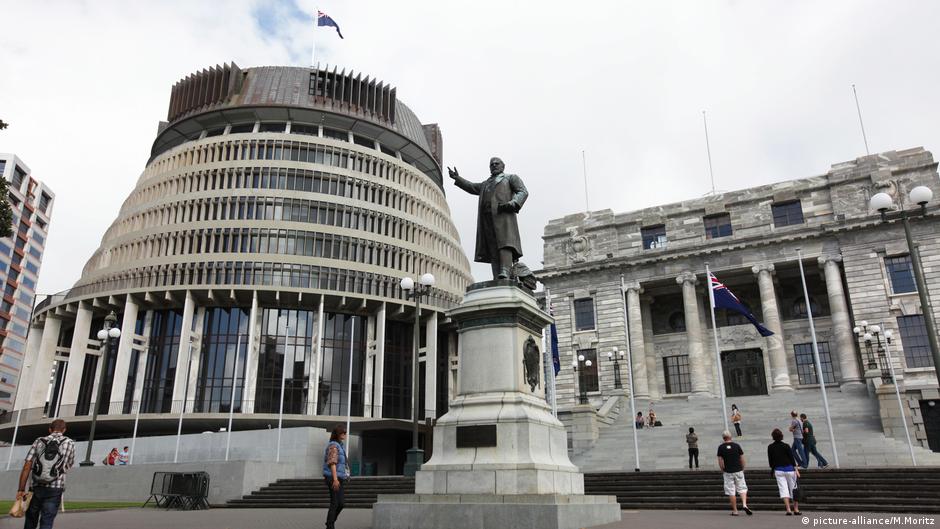
Early count shows close race
With more than half the votes counted by 9:44 p.m. local time, National and Labour each stood at 29%. The election was widely seen as too close to call.
A Friday opinion poll had put Labour at 30%, slightly ahead of National. The main candidates are Prime Minister Christopher Luxon, who leads National, and Labour leader Chris Hipkins.
Cost pressures shape campaign
High prices for basic goods and broader economic problems were central issues in the election. Unemployment was at its highest level in more than a decade.
Voting began before election day
Although polling day was Saturday, voters could cast ballots from October 26. Almost 1.7 million of the country’s 3.8 million eligible voters had voted by Thursday, according to the electoral commission. The centrist Opportunity Party was also polling above 5%, the threshold for gaining parliamentary seats without winning an electorate contest.
How seats are allocated
New Zealand uses a mixed-member proportional system. Voters select both a party and a local electoral candidate. Electorate winners take seats, while other seats go to the highest-ranked members of parties based on their national vote. Parliament typically has 120 seats, though an overhang can increase that number.
Key points
- National and Labour were tied at 29% after more than half the votes were counted.
- High living costs and economic concerns were major election issues.
- Almost 1.7 million eligible voters had cast ballots by Thursday.
- New Zealand’s proportional system combines party votes with local electorate contests.