

Teens worldwide aren’t getting enough exercise, especially girls, global data show
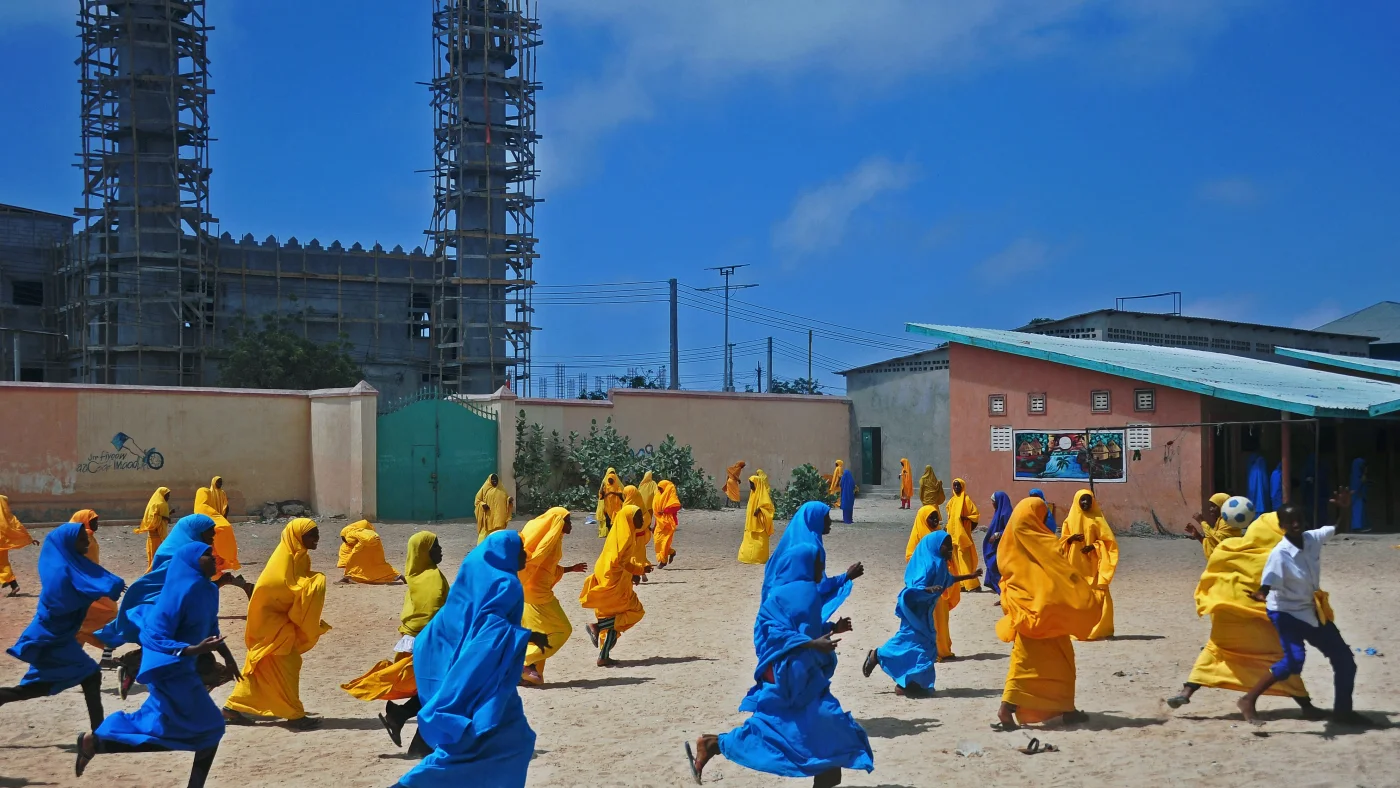
Few meet daily activity guidance
The World Health Organization recommends adolescents get at least an hour of moderate-to-vigorous exercise each day. Examples include a brisk walk or a more intense game of soccer.
The study, published in The Lancet Global Health, found that about 14% of adolescents worldwide reported reaching that daily target. The global average was fewer than three active days per week, and one in four said they did not reach 60 minutes on any day of the week.
Researchers used surveys asking how many days in the past week respondents had been active for at least 60 minutes. The surveys covered more than 3 million adolescents across 140 countries over 15 years.
Little change over 15 years
Fiona Bull, who leads the World Health Organization’s physical activity unit and co-authored the study, said activity levels had remained flat over the past 15 years. She called the findings disappointing and said existing approaches would not shift the trend.
Emory University global health researcher Solveig Cunningham said activity habits established during adolescence can continue into adulthood. She said starting adulthood with little physical activity may set a lasting pattern.
Access and surroundings matter
Varela said some cities are not designed for walking, while parents may worry about children traveling alone or playing outside. Air pollution can also make outdoor activity unhealthy in some urban areas. The study did not compare urban and rural settings, though some research suggests rural adolescents in lower-income countries may move more out of necessity. Screens may also contribute to inactivity after school, Varela said, as young people spend time watching television or using screens.
Girls face a wider activity gap
Bull said the difference was concerning because it can persist into adulthood. Cunningham said social norms may limit girls’ participation, particularly after puberty, when some communities discourage them from being active outside. Cunningham gave the example of India, where some mothers or grandmothers may discourage girls from spending time outdoors because of concerns about their skin darkening and possible effects on marriage prospects.
Key points
- Only about 14% of adolescents worldwide reported exercising for an hour every day.
- Activity levels showed little change over the 15 years covered by the study.
- Girls averaged 2.4 active days weekly, compared with three days for boys.
- Researchers point to limited opportunities, safety concerns, pollution, screens and gender norms as possible barriers.