

Blood banks in France face cyberattack days after European freezer hacks
Attack stopped before damage
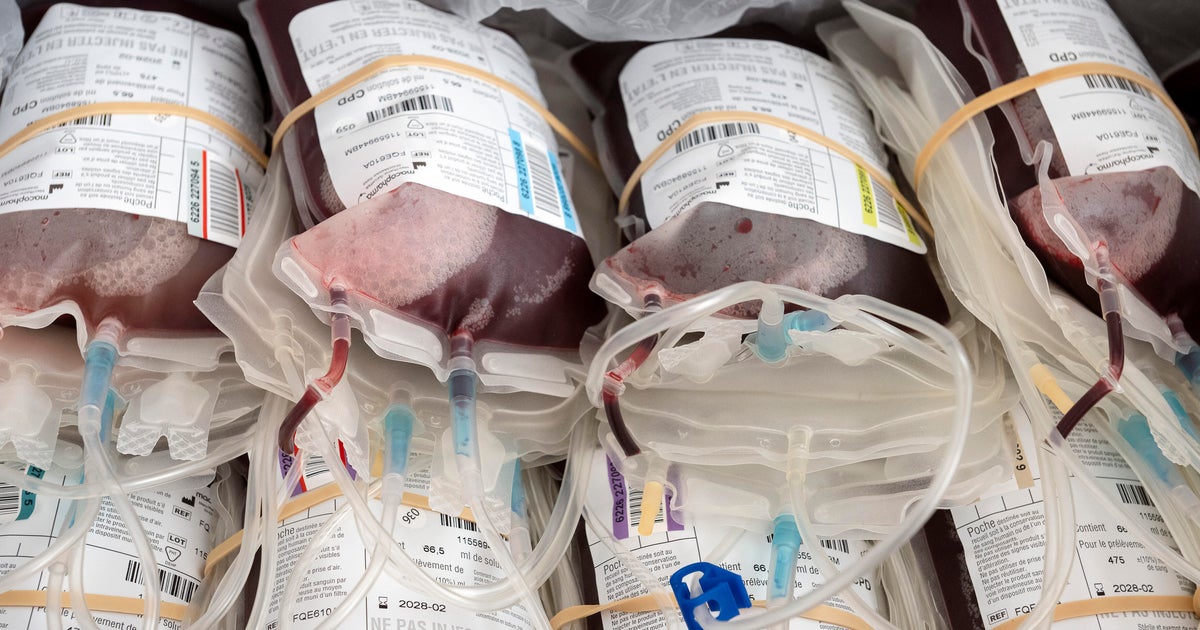
The cyberattack targeted refrigeration equipment at several French blood banks, according to authorities. French weekly Le Canard Enchaîné, which first reported the incident, said the attempted changes would have raised normal storage temperatures from minus 22 Fahrenheit to as high as 230 F.
The blood bank said it had identified no health effects and lost no blood products. The EFS also said collections and distribution continued without interruption, maintaining services for patients in hospitals and other healthcare settings.
Investigation underway in France
France’s national cybersecurity agency and Health Ministry are investigating the incident. The ministry has not indicated who may have carried it out. Coolworld, the company that supplies the refrigeration equipment, said it was aware of the cybersecurity incident. The attacks have renewed concern about vulnerabilities in essential infrastructure and risks involving internet-connected consumer technology.
Earlier freezer attack affected retailer
The report also described an earlier cyberattack involving supermarket freezers. Ahold Delhaize, a Dutch supermarket chain hit in that incident, said Wednesday it expected the attack to cut fourth-quarter sales by as much as $281 million, or 250 million euros.
The company also forecast an operating-income reduction of more than $112 million, about 100 million euros. It had previously attributed the disruption to “malicious actions by others,” according to the report, and took some systems offline, including websites and apps serving brands in Europe and the United States.
Key points
- The attack tried to raise temperatures at several French blood banks but was stopped before products or samples were harmed.
- The blood bank reported no health consequences and no lost blood products.
- French cybersecurity officials and the Health Ministry are investigating; no suspect has been identified.
- Ahold Delhaize forecast fourth-quarter sales losses of up to $281 million after an earlier freezer cyberattack.