

Why a NYC marathoner died after collapsing near the finish: Her father explains rhabdomyolysis here
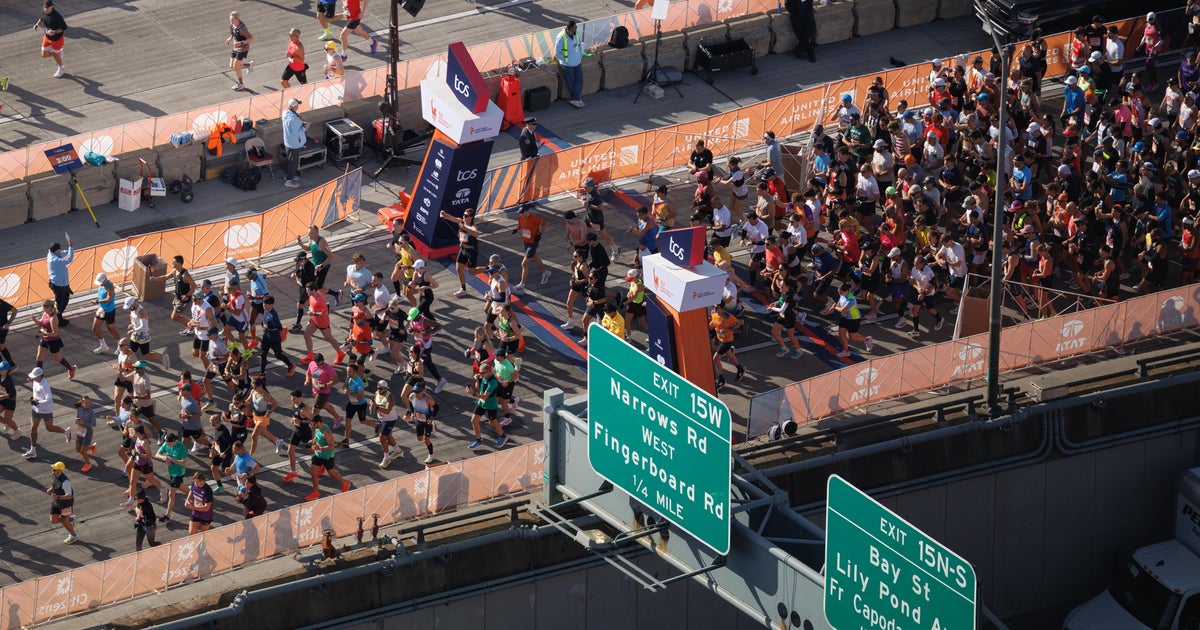
Emergency response at Mile 24
The woman collapsed at Mile 24, about two miles short of the finish. A bystander began CPR, and medical staff from race organizer New York Road Runners took over, the organization said.
Staff used a defibrillator before an ambulance transported her to a Mount Sinai hospital. She died there after receiving further treatment. NYRR said it was deeply saddened by Rachel’s death following the race on Sunday.
What rhabdomyolysis can do
Rhabdomyolysis occurs when muscle breakdown releases substances that can harm the body. Excess myoglobin can damage the kidneys’ filtering system, while elevated potassium can trigger a deadly heart rhythm.
Up to 50% of people with the condition develop kidney injury. Common symptoms include muscle pain, weakness and dark, tea- or cola-colored urine; feverishness, nausea, confusion and very little urination can also occur.
Causes and prevention
Intense exercise can cause rhabdomyolysis, but drugs and toxins account for more cases. Alcohol, cocaine and heroin are common triggers, and statins can rarely cause the condition, particularly when combined with certain other medications.
Athletes can lower exercise-related risk by increasing activity gradually, especially after a break. Guidance also includes drinking enough water, avoiding strenuous workouts while sick, and staying away from alcohol and stimulants around intense exercise.
Treatment and urgent signs
Anyone with muscle soreness and dark urine after a hard workout should seek emergency care promptly. Physiologist and anesthesiologist Dr. Michael Joyner told CBS News in 2024 that “prompt treatment can really make a huge difference.”
Doctors first use a blood test for creatine kinase, a muscle protein, to help confirm the diagnosis. Treatment includes large amounts of IV fluids with electrolytes, while clinicians monitor potassium; kidney damage may require additional care, including dialysis if the kidneys fail or potassium remains high. Physical therapy may also be provided.
Key points
- The 24-year-old collapsed at Mile 24 of the TCS New York City Marathon and later died at a Mount Sinai hospital.
- Her father said she had rhabdomyolysis, which can injure the kidneys and affect heart rhythm.
- The condition can follow exercise, but drugs and toxins cause more cases.
- Dark urine and muscle soreness after strenuous exercise warrant emergency care.