

No deadlines or milestones: Brazil publishes first global roadmap for phasing fossil fuels out
A shift toward implementation
Brazil’s government says countries can begin reducing their reliance on fossil fuels without waiting for new technologies or economic changes. The roadmap is intended to offer practical steps as Brazil prepares to host Cop30.
Cop30 president André Corrêa do Lago said the plans should help annual UN climate summits move from negotiating agreements toward implementing targets already set. He said finance, transport, energy and infrastructure ministries should consider how to apply them nationally.
Plans offer no deadlines
The Brazilian proposals are voluntary: they contain no deadlines or milestones. Countries are expected to assess their own reliance on fossil fuels and choose which suggested actions to take.
Joeri Rogelj, a climate science and policy professor at Imperial College London, said the roadmaps were useful but did not specify the necessary pace of change. He said they lacked timelines and key benchmarks.
Suggested energy measures
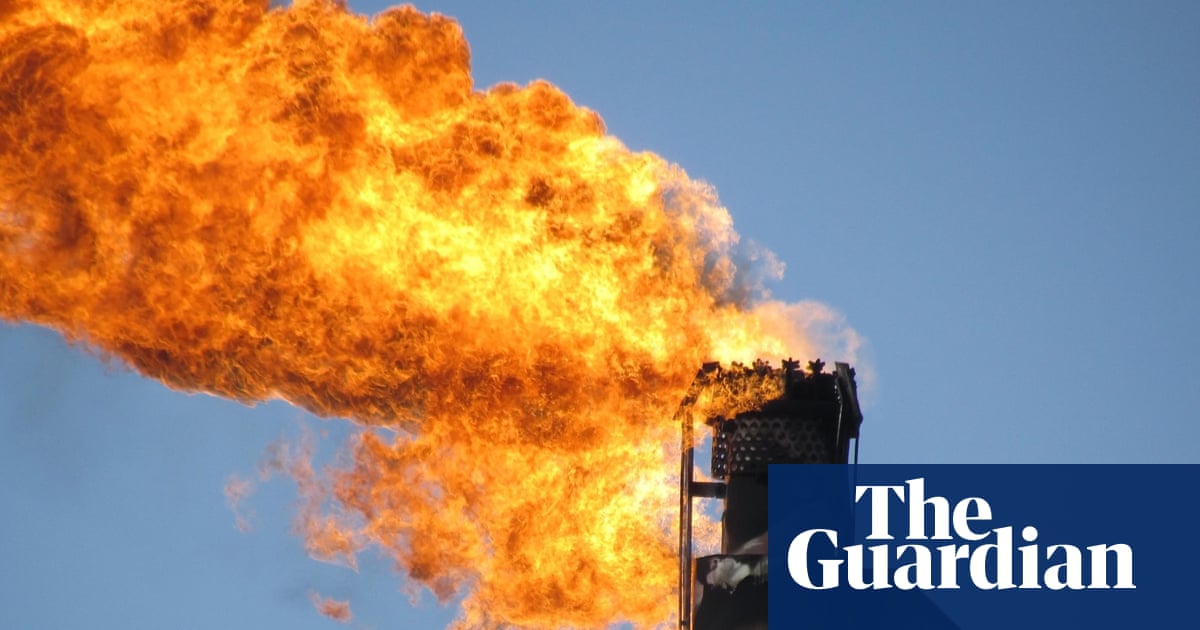
Brazil recommends that oil and gas producers urgently reduce gas flaring and venting at extraction sites. The roadmap says methane is 80 times more powerful than carbon dioxide as a greenhouse gas, making cuts an immediate opportunity for impact. Other proposed measures include reducing subsidies for fossil fuel use or production and expanding renewable energy generation.
Forest funding and trade
The roadmap estimates that forests will need about $300bn annually by 2030 and $500bn a year by 2050, citing UN figures. Current funding is about $85bn annually, well below those amounts.
Its deforestation plan also highlights the need to regulate trade between forested countries and consumer nations. It says few checks currently prevent companies from selling goods linked to deforested areas.
Separate national initiatives
The Brazilian plans are distinct from roadmaps discussed at an April conference in Santa Marta, Colombia. Nearly 60 countries there formed a separate coalition to develop national plans for phasing out fossil fuels; Germany, France and the Netherlands have since produced plans.
Brazil published its roadmaps after President Luiz Inácio Lula da Silva won a fourth term just over a week earlier. During his previous four years in office, deforestation rates fell by about 70%. His defeated rival, Flávio Bolsonaro, had been expected to revive his father Jair Bolsonaro’s Amazon policies if elected.
Key points
- Brazil’s roadmap proposes practical steps but sets no binding deadlines or milestones.
- Suggested actions include cutting gas flaring, reducing fossil fuel subsidies and expanding renewable generation.
- The roadmap says forest funding needs could reach $500bn a year by 2050.
- Brazil reports deforestation fell by about 70% during Lula’s previous four years in office.