

How Iran War Uncertainty Shaped Trump’s Midterm Campaign, and Why He Often Mentioned Tehran
War enters the campaign
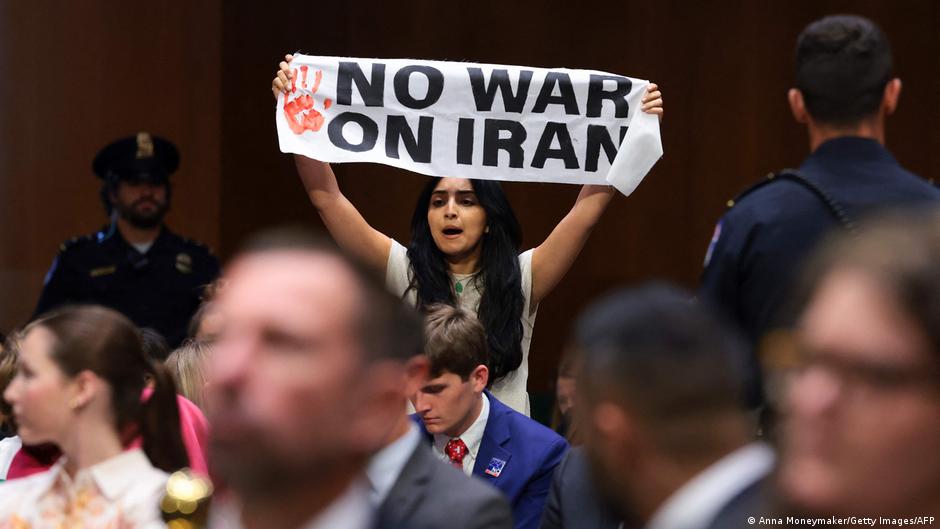
The US midterm election is taking place amid a sharp political dispute over Washington’s ties with Israel and the war on Iran. Analysts caution that the apparent partisan divide may conceal areas of agreement among political leaders.
Democrats have been vocal in opposing the conflict. Ohio Senate nominee Abdul El-Sayed has called the war “illegal” and “stupid,” while Trump sought to reduce its prominence during the campaign.
Trump and Republicans differ
Trump said last week that only one or two targets remained in Iran and could be dealt with quickly. He also said communications were continuing, Tehran was interested in a deal, and Washington had time to manage the crisis.
Reports say the US and Israel are preparing another round of strikes after the election. Senator Ted Cruz, a supporter of military pressure, urged action against Iran; after meeting Trump, he said he had advocated arming Iranian protesters to remove the regime.
Congressional power has limits
Former National Security Advisor John Bolton expects Democrats to win the House and possibly the Senate, giving them influence over funding for the war. Congress can set defense budgets or restrict how money is used, he told DW.
But a president can veto legislation, and overriding a veto would require two-thirds support in both chambers. Bolton said even Democratic control of both houses would leave the party relying on Congress’s legislative and political powers.
Shared aims and Tehran’s gamble
Iran expert Alan Eyre described substantial agreement between Republicans and Democrats: both oppose the Islamic Republic’s political system and back pressure on Tehran to change its conduct. Tehran, meanwhile, has warned of a severe response to attacks on underground facilities while confirming indirect contacts through Doha and Muscat.
Analyst Shahin Modarres said Iran may be wrongly counting on a Democratic Congress to restrain the White House. He said Tehran’s approach—including prolonging negotiations, applying pressure around the Strait of Hormuz, and allowing fuel costs to affect voters—seeks to prevent Trump from claiming success before November, but could leave the administration freer to act once voting ends.
Key points
- The Iran war has become a major issue in the US midterm contest.
- Trump has played down remaining targets, while reports point to possible post-election strikes.
- A Democratic Congress could influence war funding but would face presidential veto power.
- Analysts say both parties support pressure on Tehran, despite differences over the war.