

How to think about the midterms — and the political moment the country is in
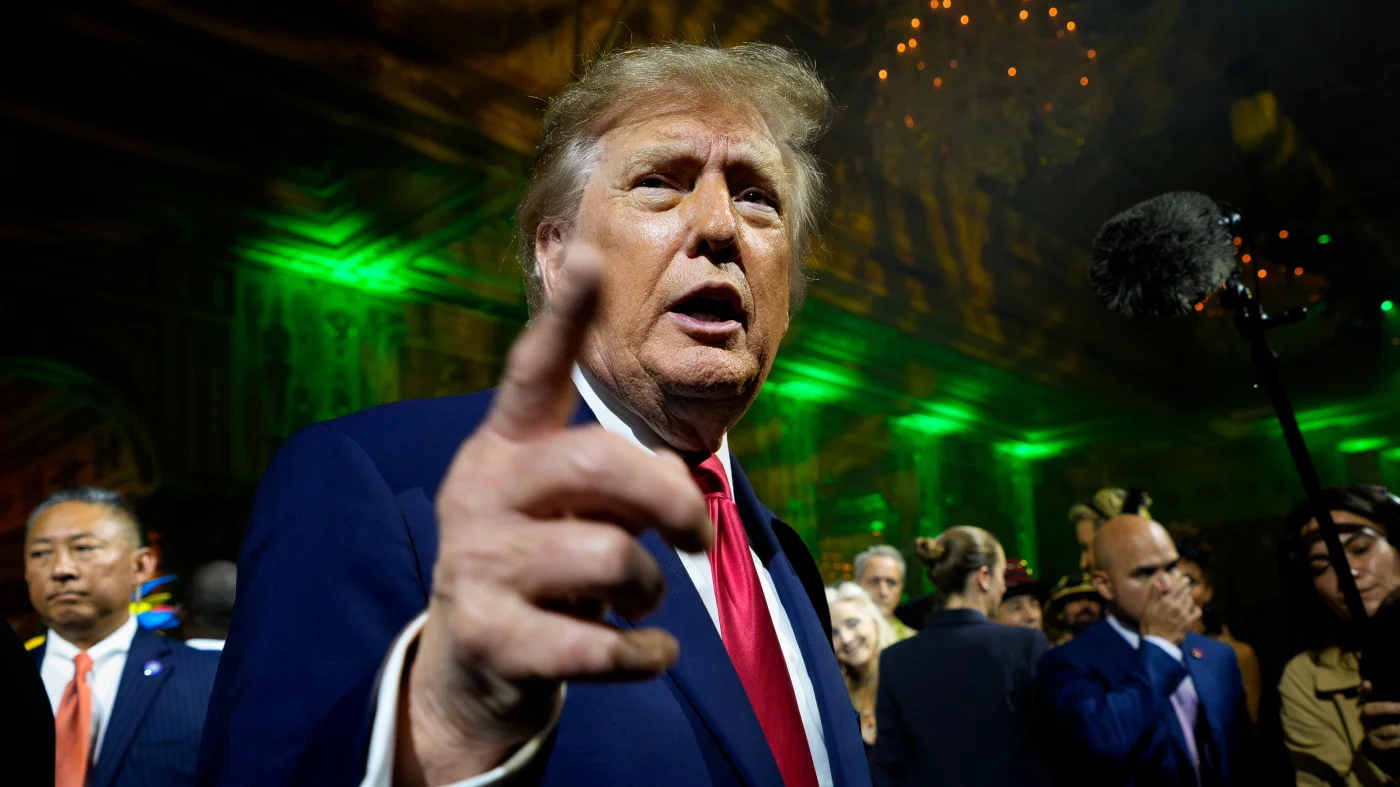
Prices weigh on Trump’s standing
Trump won the 2024 election in part by promising to lower prices, but costs have risen during his second term. His approval ratings are at record lows, while opposition to him is unusually intense.
The article links higher prices for goods and energy to Trump’s decisions on tariffs and the war with Iran. Meanwhile, inflation is outpacing wages, interest rates are rising, and many people face greater difficulty buying homes or cars.
In the latest NPR/PBS News/Marist poll, 44% said their finances had mostly stayed the same, while 38% said they had worsened. Just 15% said their financial situation had improved.
Midterm history favors Democrats
The party holding the presidency usually loses House seats in midterm elections. Since World War II, the president’s party has gained seats only twice; its average loss is 26 seats.
When a president’s approval falls below 50%, the party’s average House loss rises to 35 seats. Above that threshold, the average loss is 15 seats. Trump’s approval is below 50%, and he has acknowledged the midterm disadvantage at campaign events.
Democrats have also exceeded expectations in special elections and performed strongly in the 2025 off-year elections. The article says the Iran war and higher gas prices have further shifted the political landscape in their favor.
Gains remain hard to measure
Democrats are favored to win the House and are close enough to contest the Senate, despite that outcome having seemed unlikely earlier in the cycle. Still, the likely size of their gains is unclear.
Cook Political Report ratings show about 30 fewer competitive districts than in 2018, when Democrats gained more than 40 House seats. Redistricting has also given Republicans an estimated net advantage of eight seats, according to an NPR analysis.
That advantage could be smaller depending on how Latinos in South Texas vote. The article also notes that neither party is viewed positively, and Democrats have struggled to satisfy some voters who might otherwise support them.
Voters remain dissatisfied
Dissatisfaction extends beyond prices. Opposition to the administration’s immigration enforcement, cuts to Medicaid and other health programs, and reductions in regulations and the government workforce are angering swing voters and energizing Democrats.
The latest NPR poll found that self-identified “democratic socialists” were highly engaged in the midterms and strongly disapproved of Trump’s performance. The article does not provide a forecast for how that engagement will affect election results.
Key points
- Trump’s approval is low as voters contend with rising prices and financial pressure.
- Democrats are favored to win the House and are within reach of the Senate.
- Fewer competitive House districts and redistricting complicate predictions about Democratic gains.
- Both parties face negative views and dissatisfaction among voters.