

How james stewart became a movie star and war hero after 20 combat missions
A star who wanted to serve
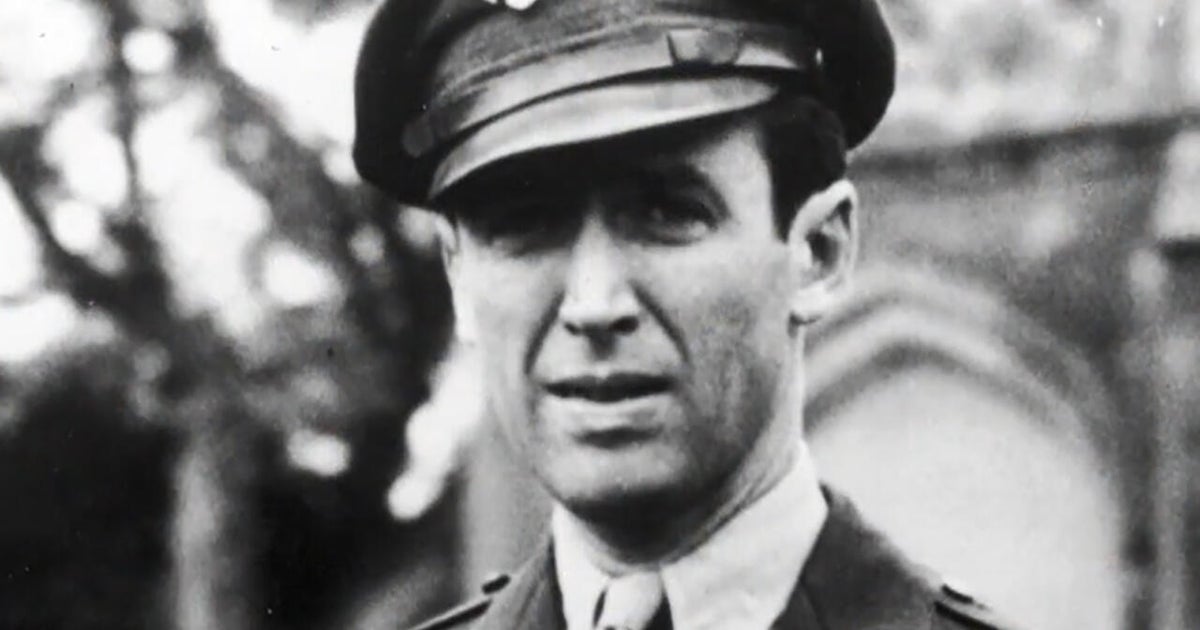
James Stewart was known for playing ordinary men, bringing an awkward innocence to roles in “Mr. Smith Goes to Washington” and “Harvey.” His performances in “Rear Window” and “Vertigo” also showed a depth that director Alfred Hitchcock found mysterious.
Though Stewart could have served in the United States making recruiting films, he wanted to do more. Already a skilled pilot, he enlisted in the Army Air Corps.
Permission to fly combat missions
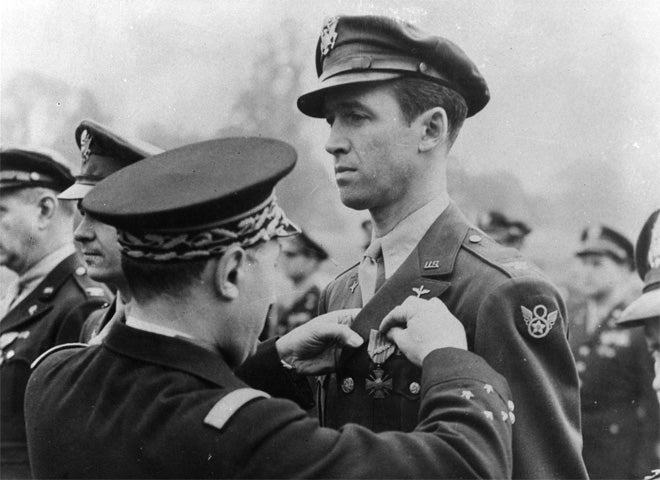
McKirgan said it took a long time for someone in the Army Air Corps to accept the risk of letting Stewart fly. She explained that losing an Academy Award-winning star could damage morale among troops and across America.
Stewart ultimately flew 20 combat missions over Germany. He lost men and witnessed events he wished he had not seen, but, like many in his generation, he kept those experiences to himself.
War’s impact after returning home
Harcourt, an executive producer on the film, said her father returned from war changed. She recalled him saying he was an out-of-work actor and pilot who did not know what to do or whether he wanted to make films again.
A possible link to George Bailey
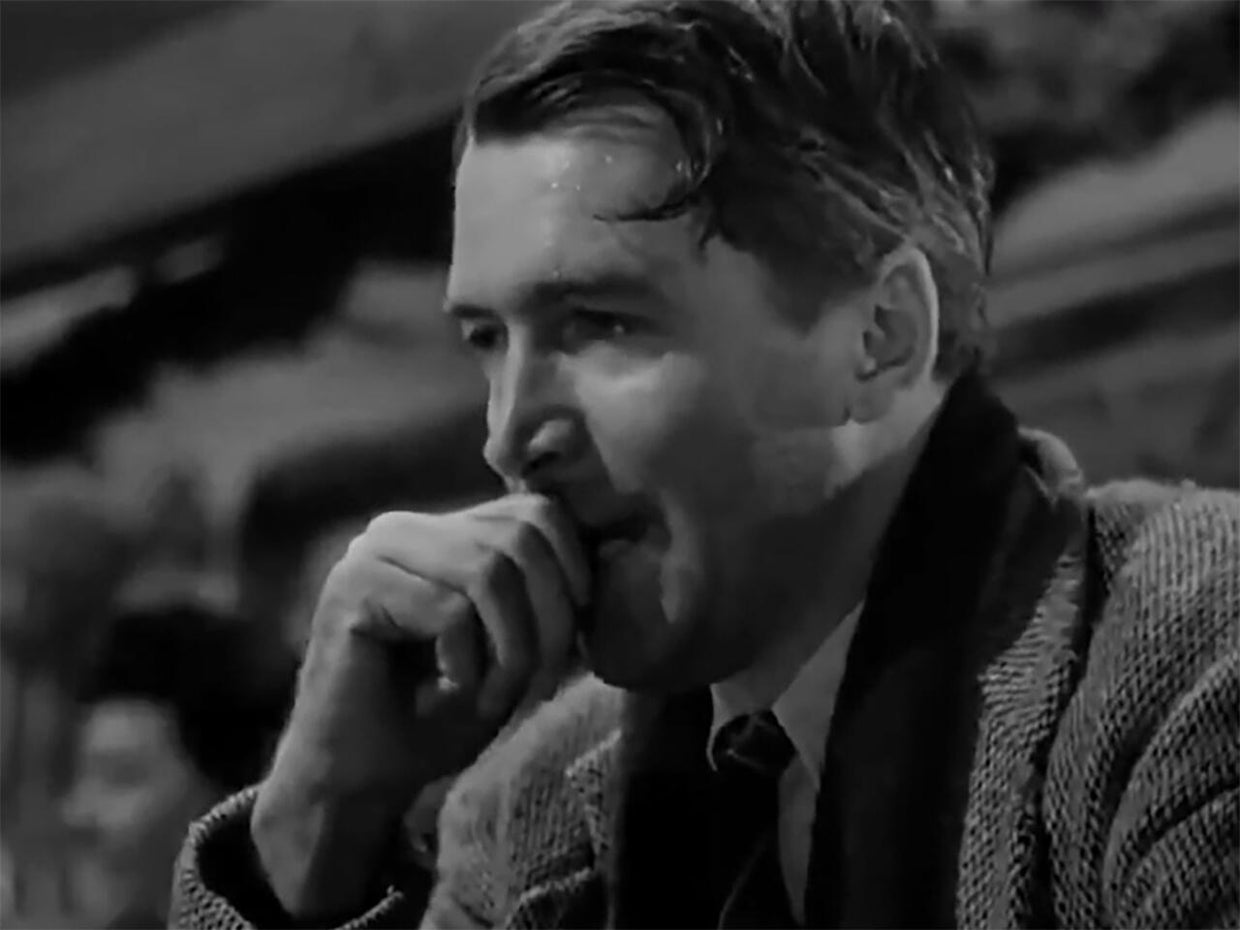
For years, people quietly speculated that Stewart’s wartime struggles influenced his portrayal of George Bailey, a desperate man pushed to the edge in “It’s a Wonderful Life.” Harcourt believes Stewart brought those feelings to the role. The connection cannot be known for certain. But Stewart’s service, and the sacrifices of others, remain part of the story behind his life and work.
Key points
- Stewart enlisted in the Army Air Corps despite the option of safer stateside service.
- He flew 20 combat missions over Germany and lost men in his group.
- Harcourt said Stewart returned from the war a different man.
- Harcourt believes Stewart’s wartime feelings informed his performance as George Bailey, though it remains uncertain.