

Time, Gravity and Black Holes: 7 Near-Perfect Sci-Fi Series Inspired by Albert Einstein
Einstein’s influence on science fiction
Einstein, a German theoretical physicist and mathematician, developed the theory of relativity and made other breakthroughs about how the universe works. He died in 1955, but his ideas remain a foundation for science-fiction projects on television and film.
Christopher Nolan’s Interstellar is a prominent film example, depicting a black hole with accuracy made possible by Einstein’s equations and theories. His influence also appears in television, where his concepts can underpin stories about the universe and its mysteries.
Dark connects time and place
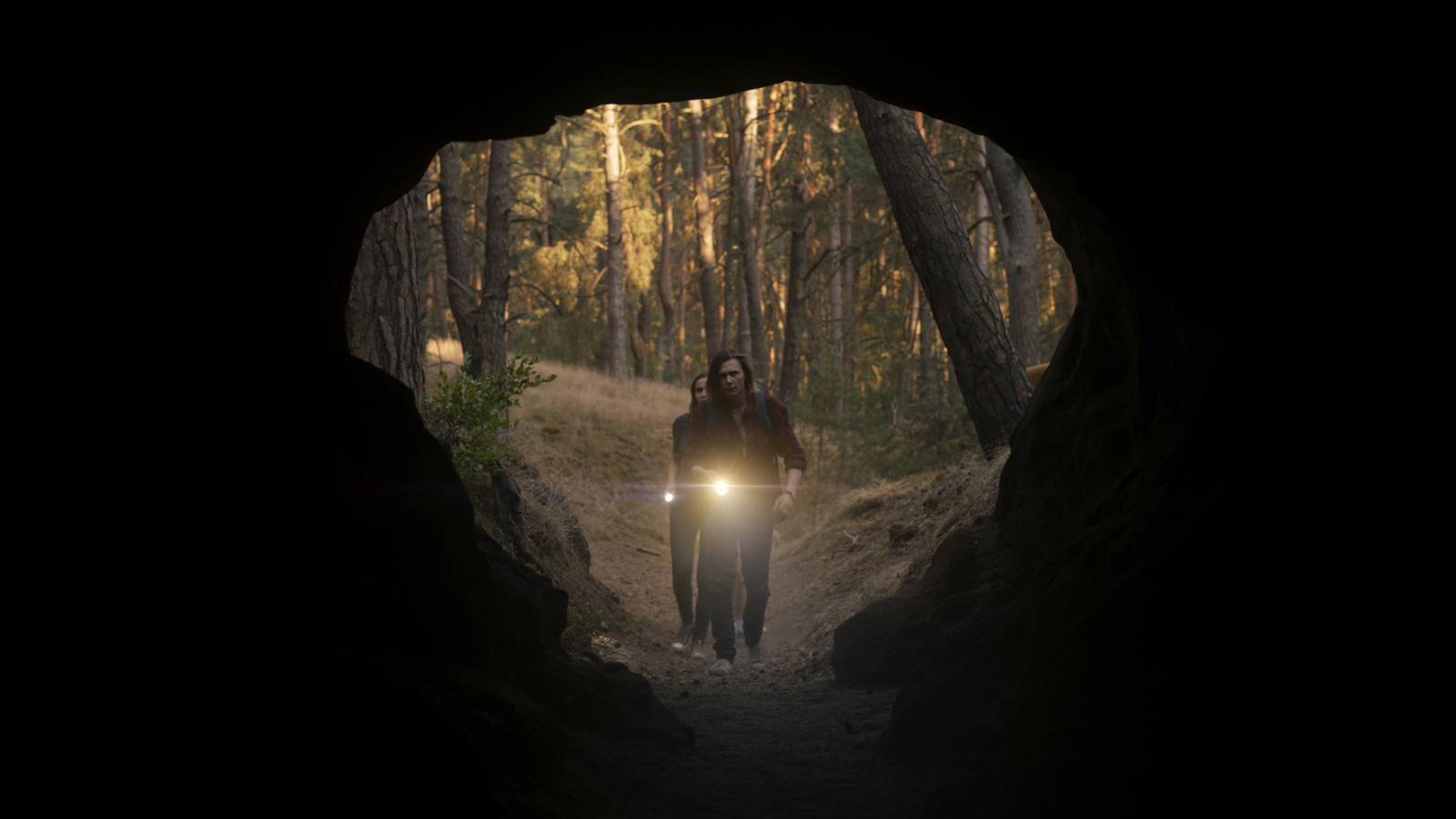
The German Netflix series Dark follows a small town after residents discover a wormhole in a nearby cave. It links different points in time at the same physical location, drawing generations of families into its effects.
The story’s premise reflects Einstein’s view of time as an illusion. The series invokes his words: “The distinction between the past, present and future is only a stubborn illusion,” attributed to Einstein in the article. Its use of these ideas lends credibility to the show’s central mystery.
The Expanse grounds space travel
In The Expanse, humanity has spread across planets, moons and large asteroids in the solar system. The series’ depiction of space travel and gravity draws on Einsteinian physics.
Rather than relying on artificial gravity as many science-fiction stories do, the show uses the idea that a ship must remain in motion to create a familiar sense of gravity. The article connects this approach to Einstein’s Equivalence Principle.
Fringe and Doctor Who explore physics
Fringe pairs law enforcement with Walter Bishop, an eccentric scientist focused on unusual areas of science. Its stories feature alternate dimensions, spatial anomalies and spacetime breakdowns, while references to early 20th-century physics connect the show to Einstein’s theories.
Doctor Who, which has been on screens since 1963, follows an alien traveling through space and time. Some modern-era episodes engage with gravitational time dilation and black hole physics. In “World Enough and Time,” a large spaceship is caught near a black hole, affecting people on different flo
Key points
- Einstein’s theories provide a foundation for many science-fiction stories on television and film.
- Dark uses a wormhole and Einstein’s ideas about time to shape its central mystery.
- The Expanse grounds its depiction of space travel and gravity in Einsteinian physics.
- Fringe and Doctor Who draw on concepts involving spacetime, gravity and black holes.