

Why Netflix’s 33-Episode Dystopian Anthology Masters Predicting Our Darkest Future Through Human Weaknesses
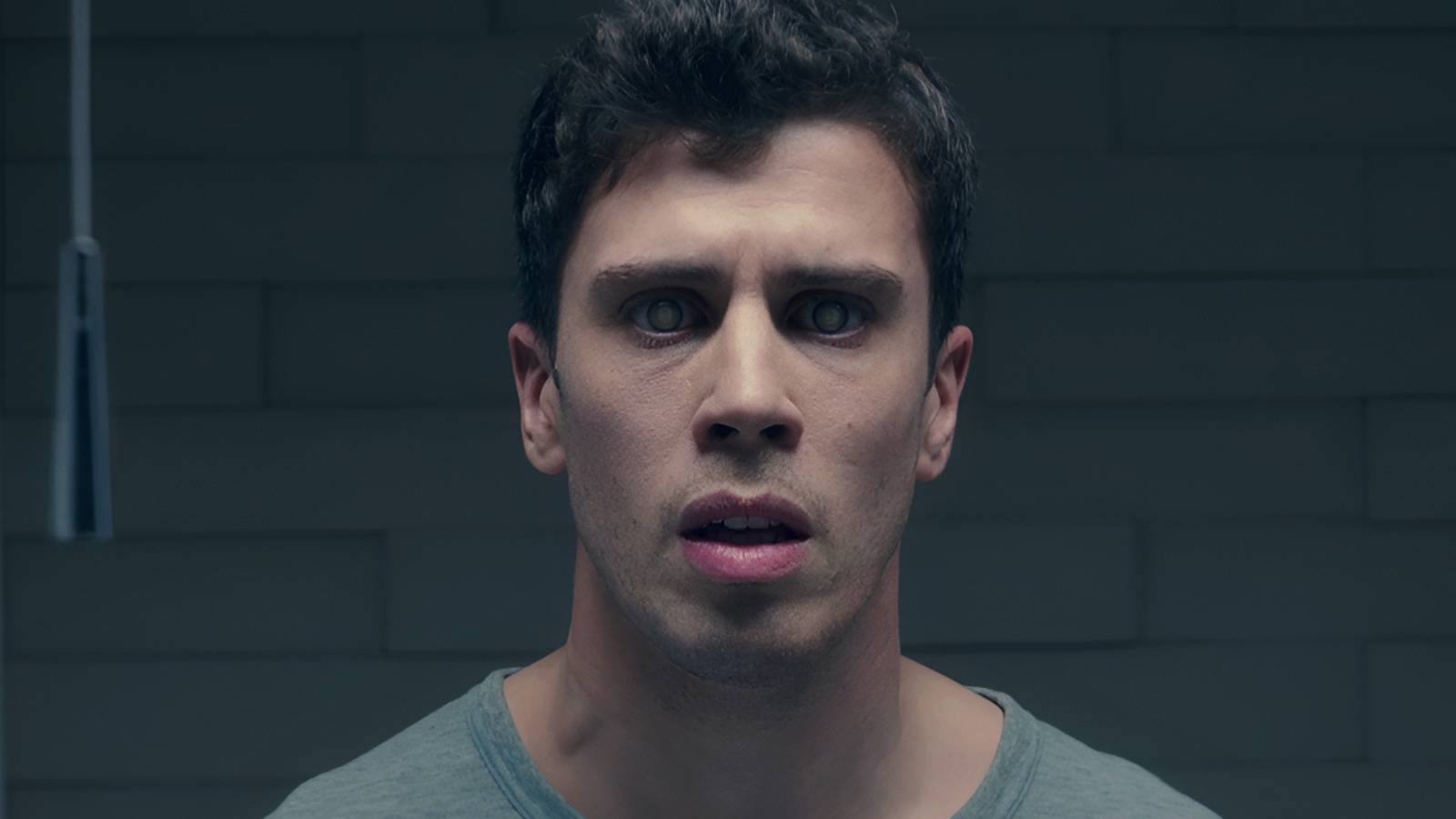
Why the stories feel real
Black Mirror’s unsettling quality comes less from futuristic devices than from the lives people endure in the name of progress. Its stories explore how developments in technology can intensify familiar human tendencies.
The anthology has uneven episodes, but its strongest installments linger because their themes appear increasingly close to everyday life. The series premiered in 2011 and examines the effects of technology on society and human nature.
Technology and human behavior
In “White Christmas,” digital cloning is presented as a possibility that no longer feels entirely remote. But the show’s sharper insight is often about how people react to technology, not just what the technology can do.
“Nosedive” imagines a society shaped by ratings. Though its world is exaggerated, its portrayal of transactional interactions in a connected society feels recognizable. “USS Callister,” meanwhile, shifts from a Star Trek parody into a story about cruelty and power.
Work, memory and control
In “The Entire History of You,” an implant lets people record and revisit their experiences. The episode suggests that perfect records could encourage people to retreat into the past instead of facing the present, while raising questions about whether imperfect memory can sometimes help.
Grief in a digital form
Season 2’s first episode, “Be Right Back,” follows a grieving woman who turns to a digital replica of her deceased husband. The story’s premise now echoes generative AI grief bots and digital legacy avatars, which the article says are already a reality.
The woman knows the clone is not truly her husband, yet struggles to let go. The episode asks whether technology might help people avoid grief and emotional closure by offering a substitute that cannot restore the person they lost.
Key points
- Black Mirror focuses on technology’s effects on human behavior, not just futuristic inventions.
- The series has seven seasons and more than 30 episodes.
- “Nosedive” explores transactional social interactions in a hyper-connected world.
- “Be Right Back” examines grief through a digital replica of a deceased spouse.