

Earliest confirmed defensive structure beyond the Nile: mysterious 4,000-year-old wall is rewriting north Africa history
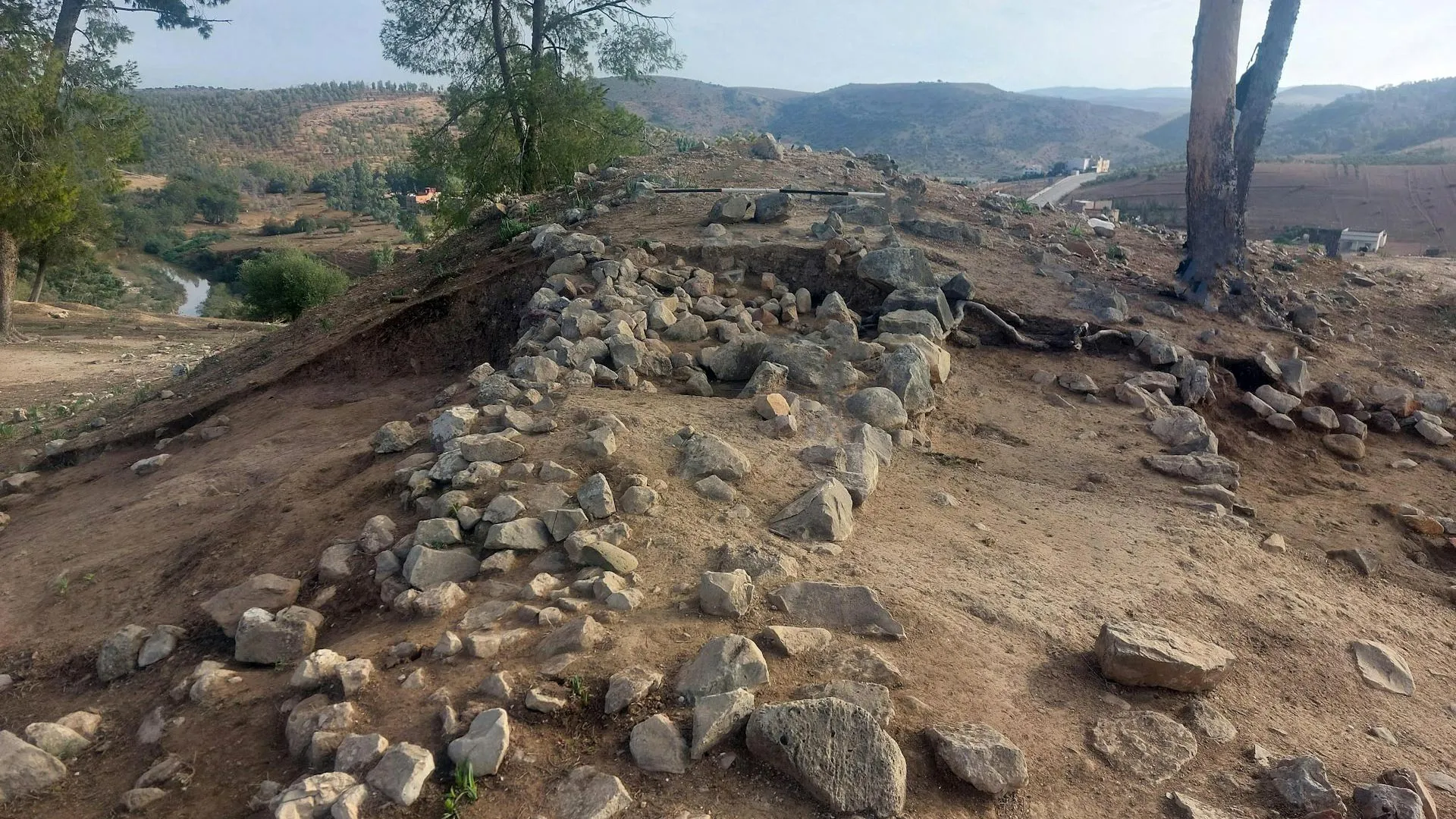
A ridge shaped by construction
The exact dangers the barriers were meant to address are unknown. The researchers suggest they may have reflected competition for land or resources, or efforts to control movement, rather than a response to invaders.
Evidence of an organized community
Building the ditch and embankment system would have required planning, coordination and mobilized labor. The construction points to a community able to organize a complex project and protect or assert power over a strategic location.
Earlier work at Oued Beht identified what is likely Africa’s earliest and largest agricultural complex outside the Nile Valley, dating to about 5,400 to 4,900 years ago. Excavations in 2023 added to understanding of the site.
Human activity spans at least ten hectares. Plant and animal remains indicate farming that included barley and wheat, alongside use of wild plants and livestock keeping. Finds also include thousands of polished stone axes and other tools, as well as finely made pottery.
A site with a long past
The prehistoric settlement’s exact character remains uncertain: it may have been a permanent village, a seasonal center or another kind of gathering place. It was nevertheless a major focus in the landscape of north-west Morocco.
Earthworks and walls at the site had been noted since the 1930s. French archaeologist Armand Ruhlmann recorded three walls, with the ridge’s natural steep edge forming a fourth side, but their date and purpose were unclear.
Filling gaps in regional history
The findings provide rare evidence about rural communities in both prehistoric and medieval times. They also add to knowledge of a region whose later prehistory has often been harder to study than that of neighboring Iberia or Athens.
Oued Beht’s evidence suggests that societies in the Maghreb were more structured and complex than previously understood. The site also points to connections between communities in north-west Africa and wider Mediterranean networks.
Key points
- The wall complex dates to about 4,000 to 3,500 years ago.
- It is the earliest confirmed defensive construction in North Africa beyond Egypt.
- Oued Beht preserves evidence of farming, craft production and extensive human activity.
- The ridge was reused in the medieval period, from the 11th to 13th centuries AD.