

Driven drought in Papua New Guinea: rivers vanish as local farms fail in national crisis
Drought strains food and water
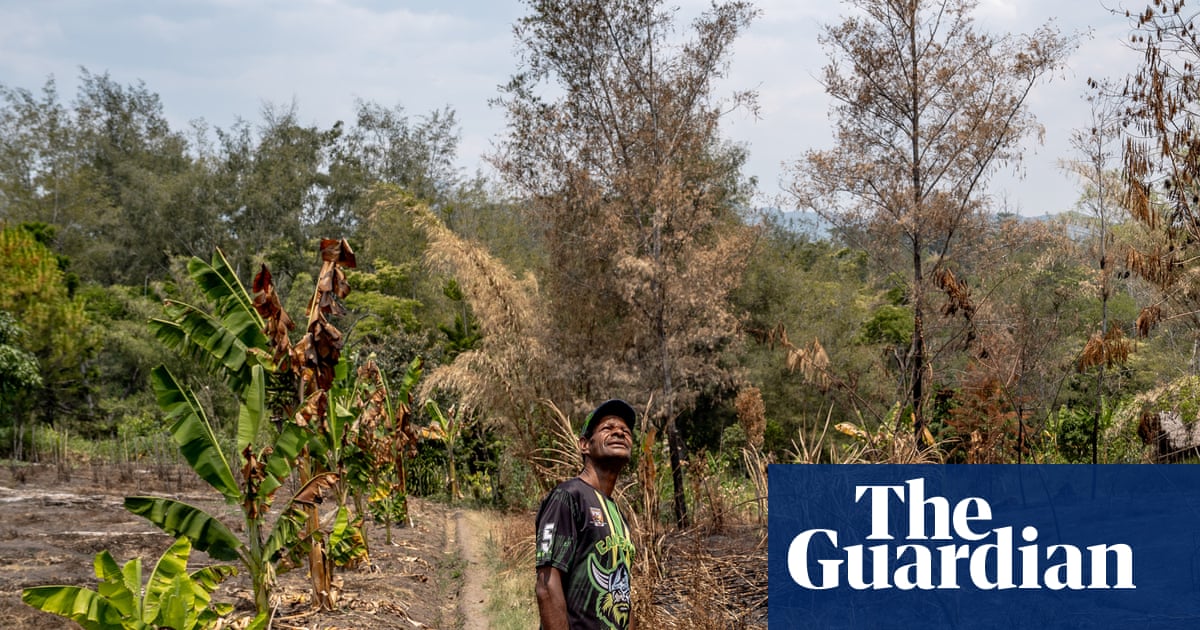
Residents and community leaders say rivers and creeks have dried up, while family gardens that provide food and income have shrivelled. Schools and health facilities are closing early or reducing services because they lack enough water.
CARE International in PNG humanitarian projects manager Emilly Meren said some rural highland families were eating only once a day. She said women and girls often eat last and face long journeys to find food and water, as well as greater risks of harassment.
Communities face daily hardship
Kasis Inape, assistant director of the PNG National Weather Service, said about 8 million people were already affected when the service declared El Niño’s onset in June. He said the country depends on rain, and the climate pattern has shifted warm waters eastward, reducing rainfall.
Leklu village resident Martha Zureno said her family now walks miles to collect water for drinking and cooking. She said crops in their gardens had died, while a lack of water had also made local gold panning harder.
Impacts spread beyond farms
A hailstorm earlier this month buried sweet potatoes under ice in parts of Enga province, adding to food scarcity. George Iki, president of the Sambe Unity Development Association, said the storm was not directly blamed on El Niño.
In Port Moresby, PNG Power has begun planned blackouts after falling dam levels reduced hydropower generation. The company said disruptions could last up to 10 months, while it manages dam releases to protect the city’s water supply.
Peter Aitsi, co-chair of the Community Coalition Against Corruption, said urban areas had largely been shielded so far, but blackouts and reduced supplies of fresh food could bring wider effects. He also reported smoke haze over the capital, linked to fires on the island and in Indonesia.
Authorities prepare response
A coalition involving churches, trade unions and business groups has described the drought as a “national crisis.” It said there was no coordinated plan to protect vulnerable communities as El Niño’s effects worsen. Marape said the government was reviewing financial arrangements to help provinces and districts respond to disasters as they occur.
Key points
- About 8 million people in Papua New Guinea have been affected by drought-related shortages and disruption.
- Dried rivers and failed gardens have left some communities short of water and food.
- Planned blackouts in Port Moresby could continue for up to 10 months.
- Prime Minister James Marape has asked local authorities to prepare for a prolonged dry season.