

What science reveals behind the creepy demons of sleep paralysis
A shared, frightening experience
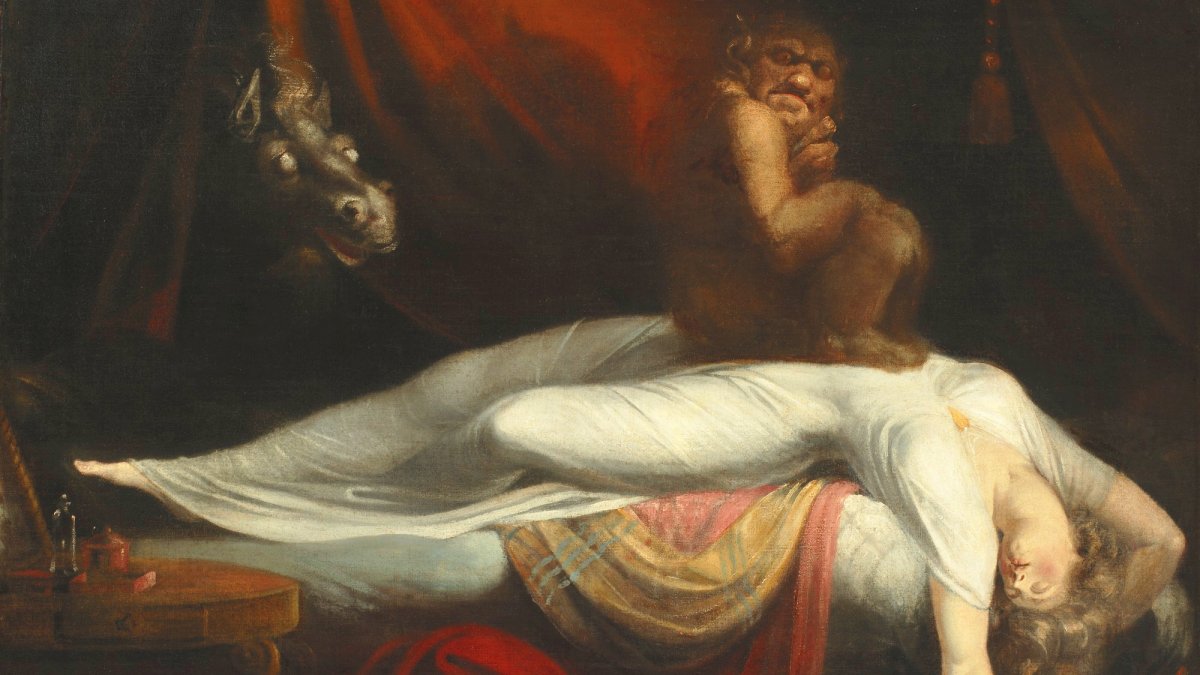
People around the world describe sleep paralysis in different ways, but the central experience is similar: waking unable to move, often with chest pressure and fear. Clinical psychologist Brian A. Sharpless says he has recorded more than 100 terms for the phenomenon across cultures and history. The meanings attached to it vary. In Western accounts, paralysis has been linked to vampires, witches and ghosts; Germanic and Slavic folklore includes a chest-sitting demon called a mare, the source of the word “nightmare.”
Changing forms of the threat
Explanations have shifted over time, with some people describing alien visits or shadowy figures. Since the 1960s, reports in Tanzania have featured the Popobawa, a large winged creature said to attack and sexually assault paralyzed people.
Sharpless says the brain may generate a threatening presence while it is between a dream state and waking. “Your brain is reading the sense that you’re prey, and it creates a predator,” he says.
Why the body stays still
During REM sleep, when dreams are most likely, the brainstem temporarily paralyzes most muscles. The muscles that move the eyes and support breathing are exceptions; the paralysis helps prevent people from acting out dreams and injuring themselves or others.
If someone wakes before that muscle shutdown ends, the loss of control can feel deeply unsettling. Sharpless says surveys show sleep paralysis is almost always experienced as frightening.
Sleep habits and possible risks
A history of trauma or anxiety is linked to greater vulnerability, Sharpless says. The phenomenon is also associated with being a student, drinking alcohol and having narcolepsy; these factors are connected with more disrupted sleep.
No randomized controlled trials have tested potential treatments, but Sharpless says steps that improve sleep may also lower the risk. He recommends avoiding alcohol before bed and sleeping on one’s side; sleeping on the back may make breathing somewhat harder for some people.
Key points
- Sleep paralysis involves waking before the body’s temporary REM-related muscle shutdown has ended.
- Cultural explanations have included demons, vampires, ghosts, aliens and the Popobawa.
- Trauma, anxiety, alcohol use, student status and narcolepsy are linked to higher risk.
- Sharpless recommends avoiding alcohol before bed and trying to sleep on your side.