

Why Political Debates Became High Risk, Low Reward in the Viral Era
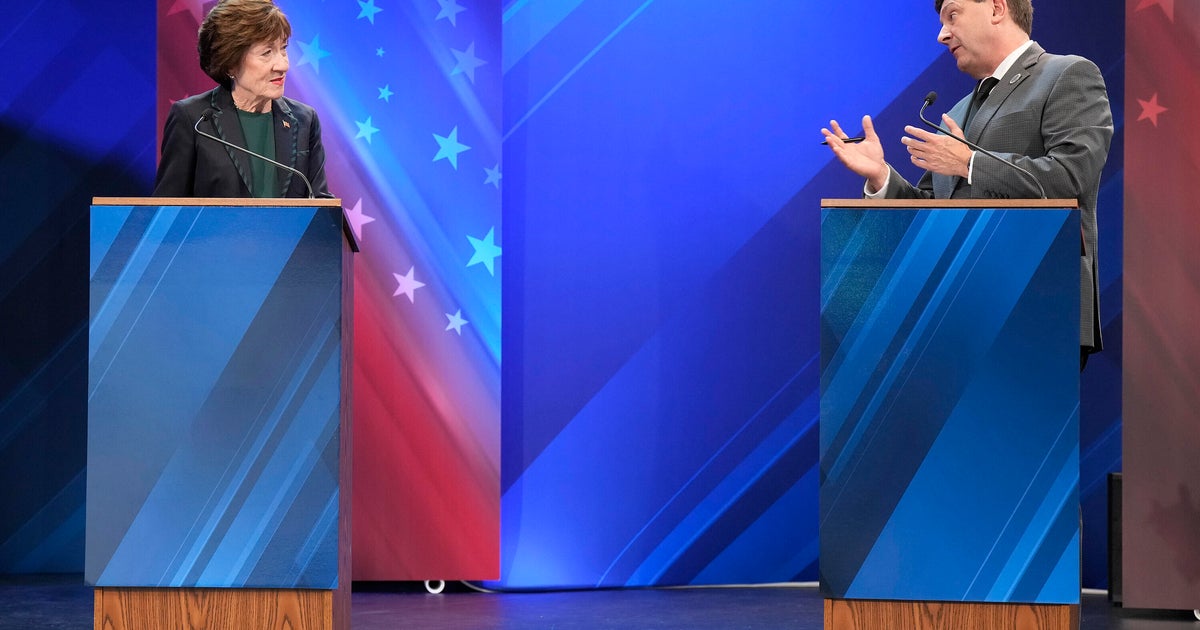
A Maine Moment Lingers
In an Oct. 15 Maine Senate debate, Democratic nominee Troy Jackson told five-term incumbent Sen. Susan Collins to “shut up” after she said a protester was “obviously one of Troy’s supporters.” Jackson declined a request to apologize, and the exchange later appeared in GOP attack ads.
“You may not win a race during a debate, but you can certainly lose one,” Rocha said, adding that candidates are cautious. Republican strategist and CBS News contributor Terry Sullivan said debates often turn on a small number of consequential moments.
More Candidates Stay Away
Rocha said appearing on stage without control over the message can hurt a candidate in close races. In Texas, Democratic candidate James Talarico repeatedly challenged Republican opponent Ken Paxton to debate, even offering to appear on Fox News. Talarico later held a solo CNN town hall.
Rocha said a debate could bring renewed attention to Paxton’s past scandals and controversies. “He don’t want to be asked about all the negative [stuff] in his life,” Rocha said.
Disputes Over Debate Value
Arizona Democratic Gov. Katie Hobbs declined to debate Republican opponent Rep. Andy Biggs. She said direct interactions with voters were more effective than a stage focused on political soundbites and theater. Biggs debated alongside No Labels candidate Teri Hourihan and criticized Hobbs on X, saying her record was so disastrous that she would not defend it on a debate stage.
Viral Clips Shape Coverage
Debates in Michigan and Alaska, both among the crucial Senate toss-up races, also produced viral moments. Attacks between nominees drew substantial online attention, making the candidates appear more like enemies than members of opposing parties.
In Alaska, Republican Sen. Dan Sullivan accused Democratic nominee Mary Peltola of “character fraud” over a New York Times report about her treatment of staff. The moderator called for decorum. Sullivan also claimed Peltola had prepared answers in advance; after moderators said no one had, Peltola replied, “I’m prepared.”
Brownell questioned how debates could attract broader audiences in the social-media era. They often shrink into short clips circulated online and viewed through a partisan lens, Brownell said.
Key points
- More than half of the 2026 Senate races will lack debates between major-party candidates.
- A clip from the Maine debate appeared in GOP attack ads after Jackson declined to apologize.
- Debates in Michigan and Alaska also produced viral moments.
- Strategists say candidates risk losing control of their message onstage.