

From Planetary Ruin to Broken Physics: 8 Most Powerful Superweapons in Sci-Fi Novels
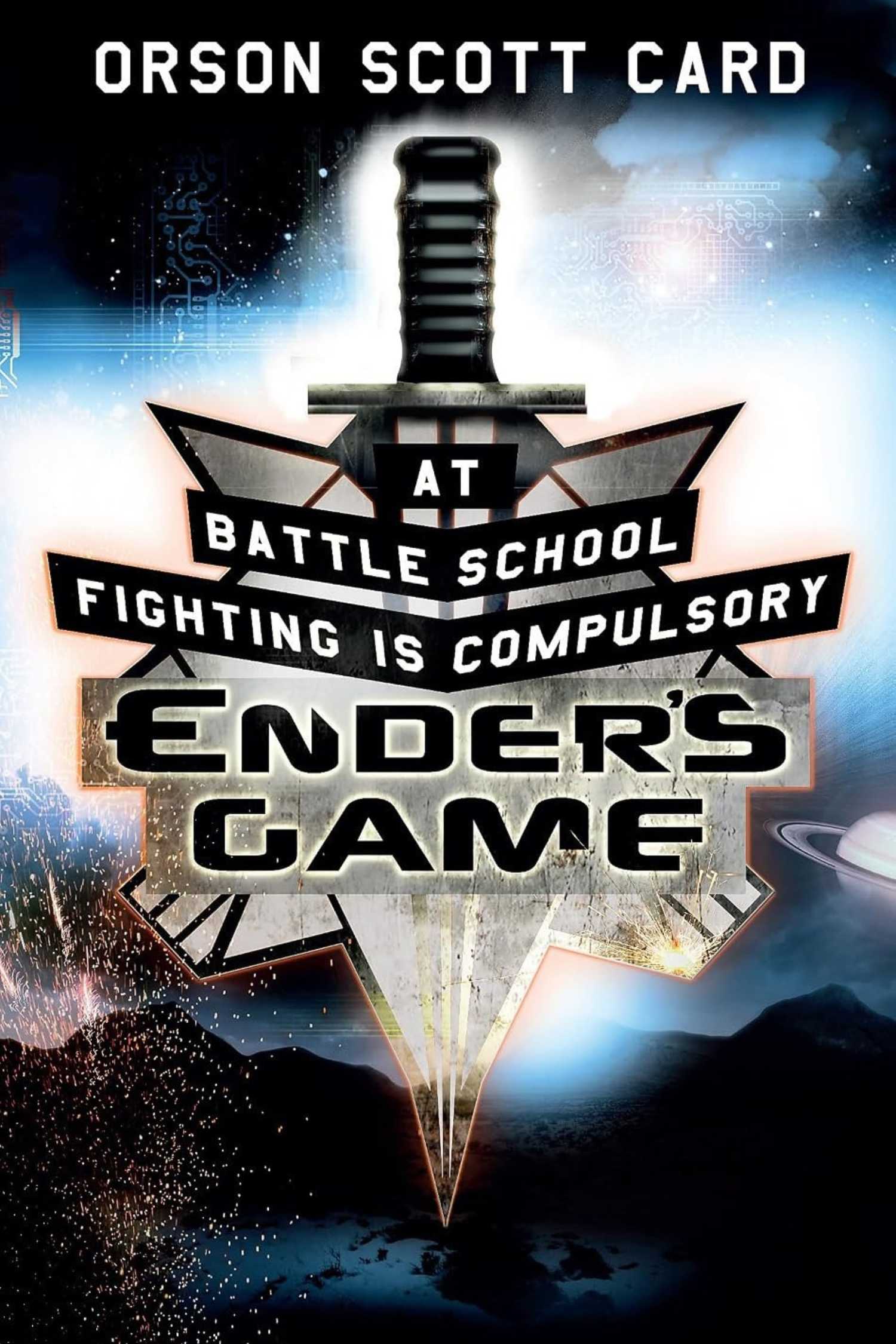
The Little Doctor’s Chain Reaction
In Orson Scott Card’s Ender’s Game series, the Molecular Disruption Device is nicknamed the Little Doctor. It creates a field that breaks molecular bonds, with the disruption cascading through matter and from one ship to another.
The weapon’s potential on a planetary scale drives the ending of the 1985 novel Ender’s Game. The story follows a gifted child trained to lead human forces, while those around him conceal the difference between simulated combat and real warfare. A tactical solution becomes catastrophic when the Little Doctor turns it into planetary extermination.
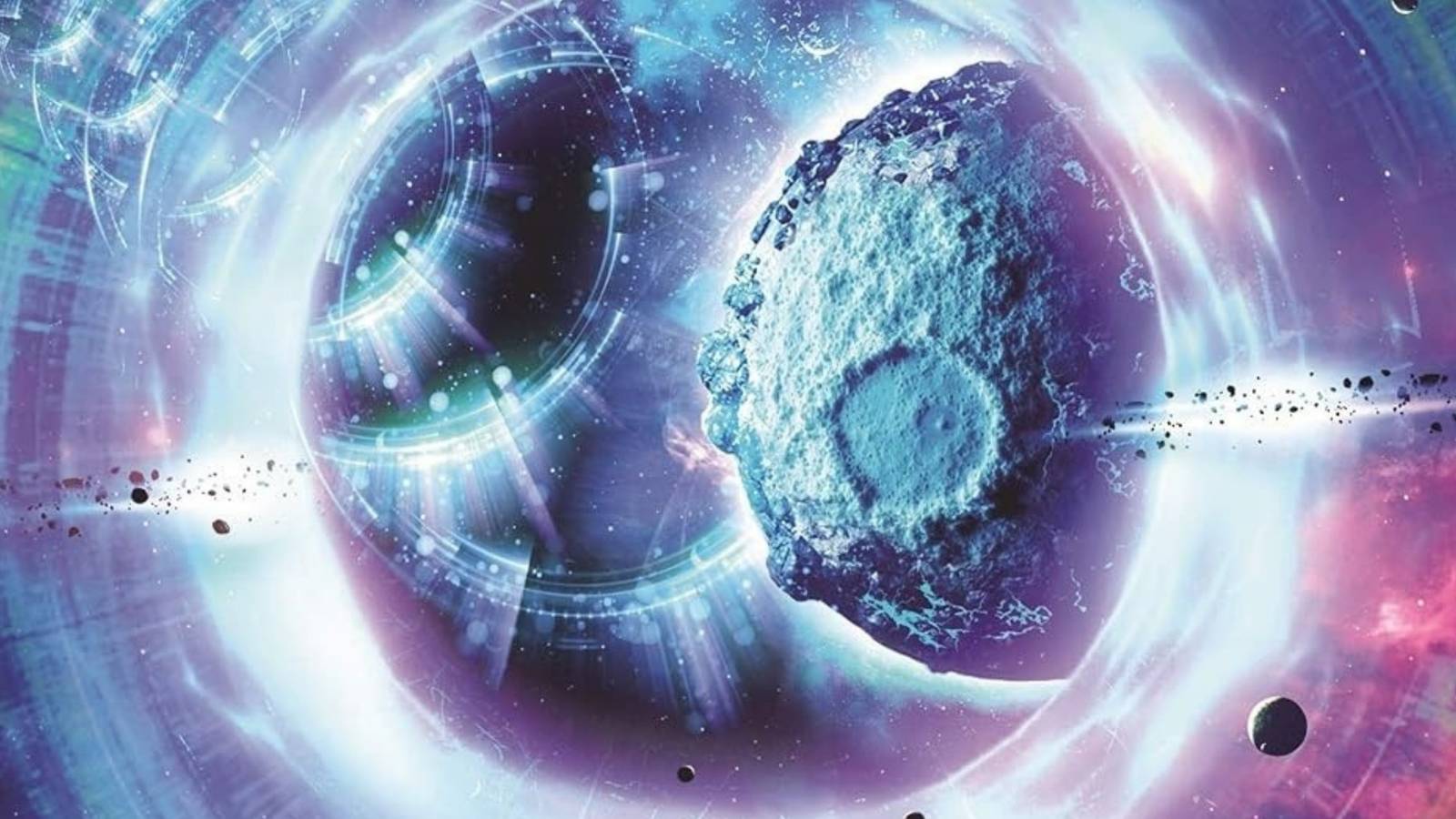
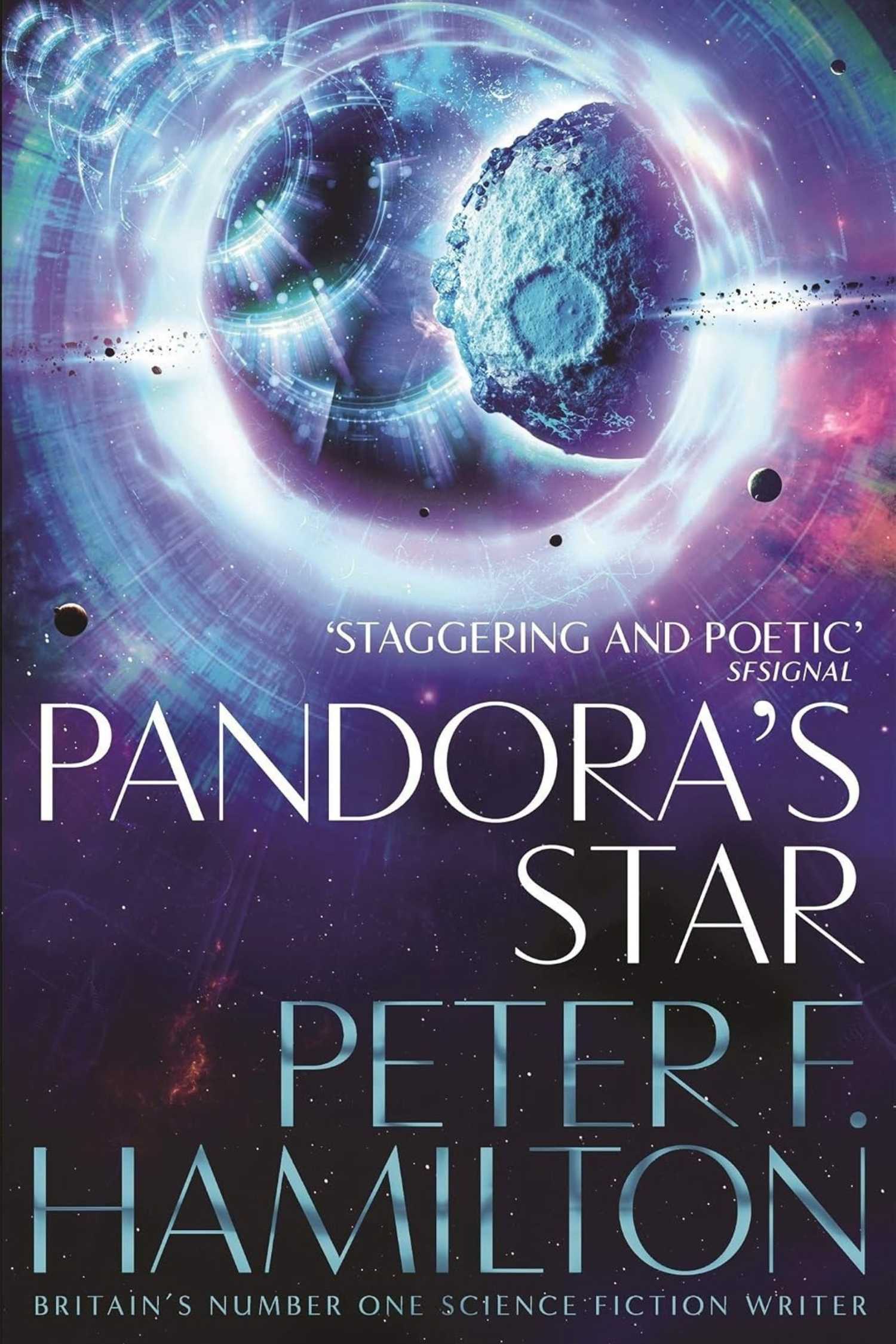
A Star Becomes the Weapon
Peter F. Hamilton’s Commonwealth Saga begins with Pandora’s Star in 2004 and ends with Judas Unchained in 2005. An investigation into an imprisoned star system brings a prosperous human civilization into conflict with the expansionist, highly evolved Primes.
The resulting technological escalation includes the nova bomb, which causes its target star to go supernova. Other technologies in Hamilton’s future magnify the destruction, making the star itself the force that devastates its system.
The Starbreaker’s Small Form
Stephen Baxter’s Xeelee Sequence opens with Raft, published in 1991. Its setting follows humanity’s encounter with its insignificance amid a cosmic conflict between the godlike Xeelee and dark-matter life.
Key points
- The Little Doctor’s molecular disruption can cascade across ships and destroy a planet.
- Hamilton’s nova bomb turns a star into the cause of its system’s destruction.
- Baxter’s compact starbreaker uses gravitational waves and can dismantle stars.